
 Rick Claypool on Pay to Play Corporate Crime Enforcement
  Labaton Launches Whistleblower Practice with Former SEC Acting Chair Allison Herren Lee
  Kremlin payment firm A7 has been pumping billions in ‘untraceable’ cash into global financial system
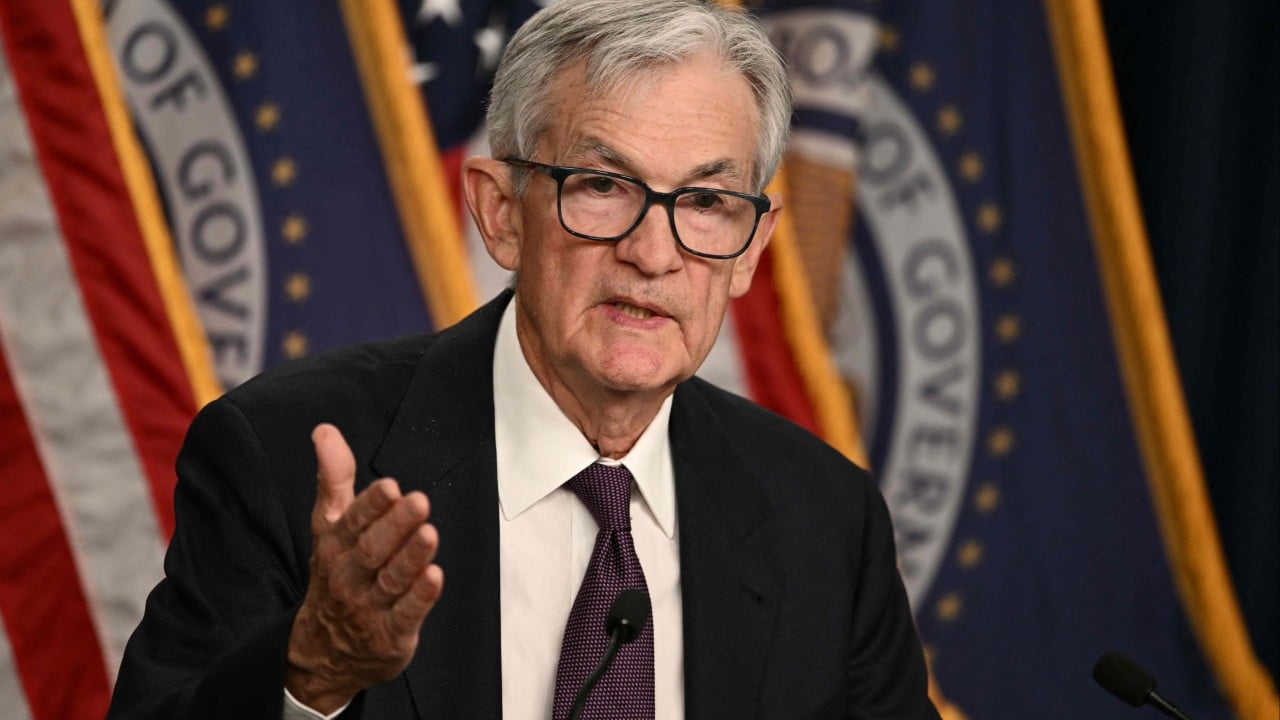
The US Justice Department has ended its probe into Federal Reserve chair Jerome Powell, clearing a major roadblock to the confirmation of his successor, Kevin Warsh.
US Attorney for the District of Columbia Jeannine Pirro said on X on Friday that her office was ending its probe into the Fed’s extensive building renovations because the Fed’s inspector general would scrutinise them instead.
The decision ends an investigation, one of several undertaken by the Justice Department into President Donald Trump’s perceived adversaries, that for months had failed to gain traction as prosecutors struggled to articulate a basis to suspect criminal conduct.
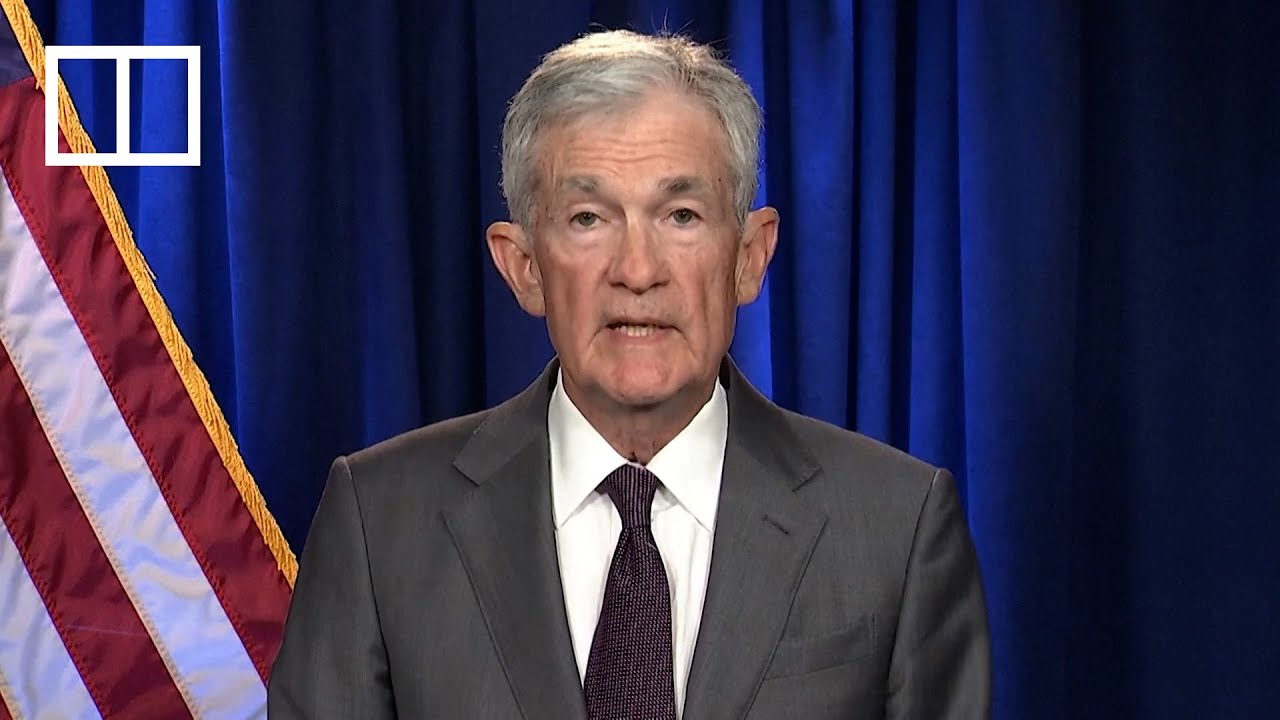
US Fed chief threatened with criminal indictment by Trump administration
US Fed chief threatened with criminal indictment by Trump administration
A prosecutor handling the case conceded at a closed-door court hearing in March that the government had not yet found any evidence of a crime, and a judge subsequently quashed subpoenas issued to the Federal Reserve.
Advertisement
The judge, James Boasberg, said prosecutors had produced “essentially zero evidence” to suspect Powell of a crime. Boasberg called prosecutors’ justification for the subpoenas “thin and unsubstantiated”.
More recently, prosecutors made an unannounced visit to a construction site at the Fed’s headquarters but were turned away, drawing a rebuke from a defence lawyer in the case who called the manoeuvre “not appropriate”.
Advertisement
The move could lead to a swift confirmation vote by the Senate for Warsh, a former top Fed official whom Trump, a Republican, nominated in January to replace Powell, whose term as chair ends May 15.
Don't Miss:
-
A Total of 13 Mass Graves Have Been Found in Viesca Containing the Charred Remains of Men and Women
-
Jorge Luis Zambrano, alias “Rasquiña”
-
El Taliban Fell In Mazatlán… And What He Confessed Ties Everything Together
-
Inside the Camp at the Heart of Honduras’ Garífuna Land Struggle
-
This Is How the MataZetas Captured and Executed the Zetas