
 Five years after the Pandora Papers, transparency laws lose their teeth
  How Hungary’s richest man funneled millions into Orbán’s propaganda machine
  How Real Is the US Withdrawal from the Middle East?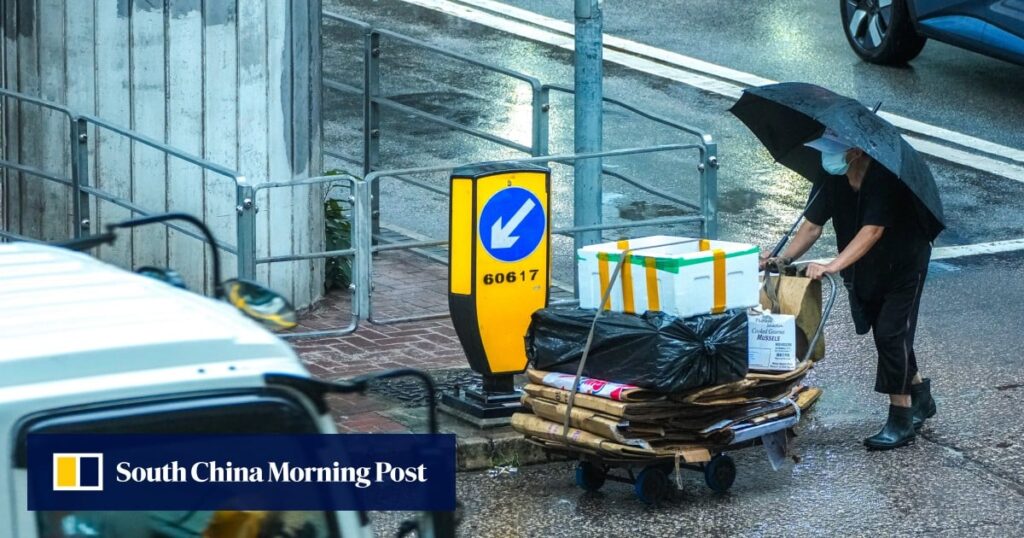
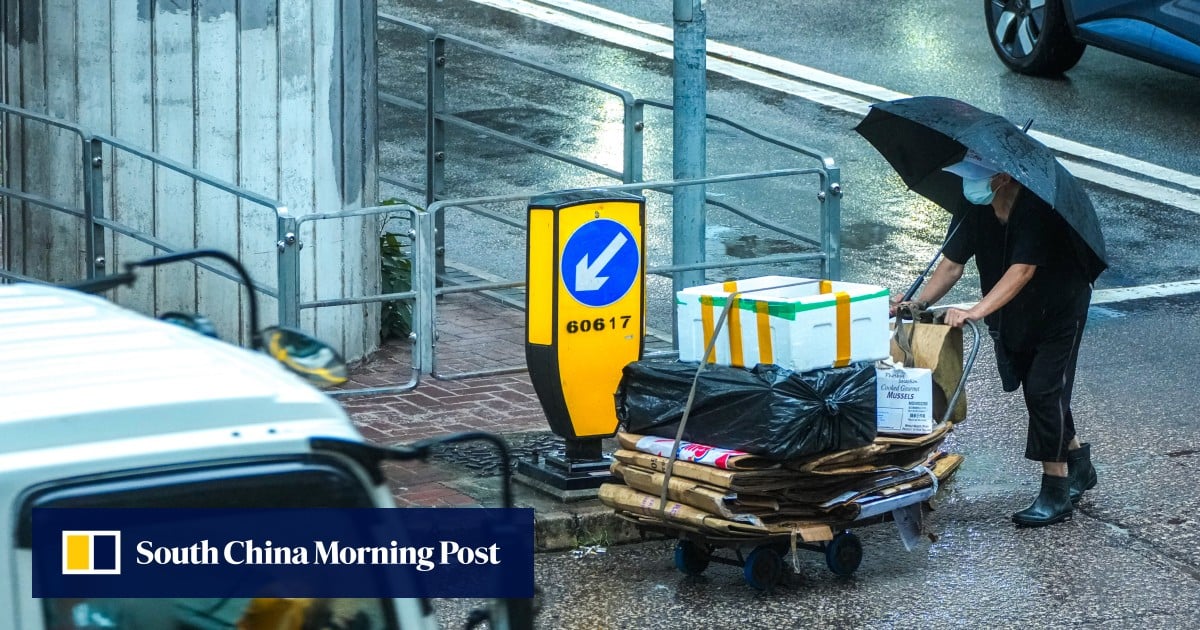
Hong Kong’s welfare minister has defended the government’s earlier decision to drop the poverty line as an indicator for allocating assistance, saying it was a limited “statistical concept” that failed to identify needy groups beyond those with low income, such as carers.
“The needs of carers are varied and they face many difficulties. We will look into the issue after we set up a new commission on targeted poverty alleviation,” he said.
Advertisement
This was in addition to the three existing groups – families living in subdivided flats, single-parent families and all-elderly households – identified by the Commission on Poverty in its report on the impact of the government’s targeted poverty alleviation strategy, released on Thursday.
“The biggest drawback is that it cannot tell you who is poor, what they need, or how we should help them. It cannot tell at all,” Sun, explaining why the poverty line had not been used in the new report.
Advertisement
He called the poverty line a “very statistical concept that is purely based on income and took no account of other things”.

Don't Miss:
-
Two Years On, the Sinaloa Cartel War Changes Shape | The InSight Take
-
US wraps up military mission in Iraq, giving Baghdad room to strengthen China ties
-
As China and the EU begin crunch trade talks, optimism is in short supply
-
Data centre opposition is growing in Australia. Is there a middle ground?
-
Helper arrested for allegedly slapping 5-year-old boy after he refuses to eat