
 The Taliban’s New War Begins at Home
  Panama removed from EU’s tax haven ‘blacklist’ a decade after the Panama Papers
  Crackdown and Controversy: The Battle Over Beach Bars and Noise in Phuket’s Bang Tao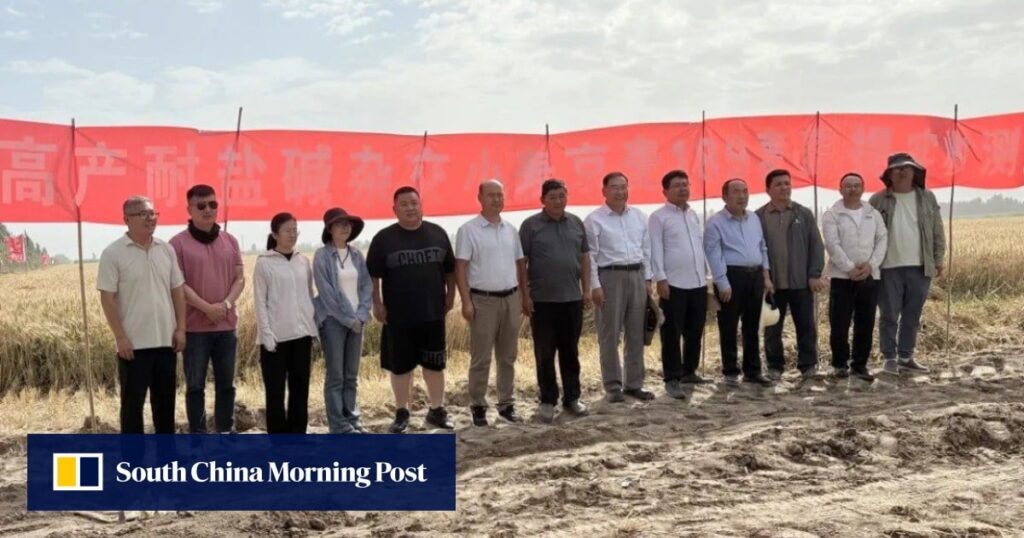
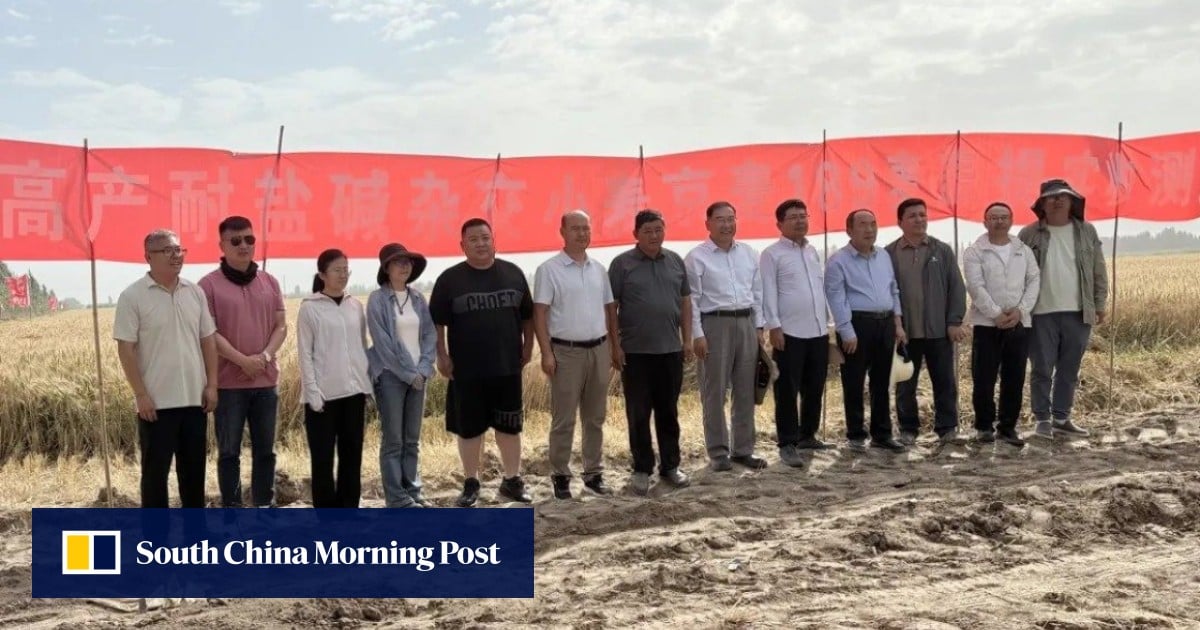
The wheat, known as Jingmai 189, was developed by the Beijing Academy of Agriculture and Forestry Sciences to withstand drought, saline soil and nutrient-poor land.
The trial on a managed, heavily saline plot produced a harvest of 768kg per mu (about 11.5 tonnes per hectare or 10,278lbs per acre) compared with the national average wheat yield of 399.2kg per mu recorded last year, the academy’s Institute of Hybrid Wheat Research said in a statement on June 23.
“It was totally beyond our expectations,” an institute spokesman said of the project on June 26.
The announcement comes as countries worldwide search for new ways to expand food production amid shrinking arable land, accelerating desertification and climate change. If deserts can be turned into productive farmland, even on a limited scale, the implications could extend well beyond western China.
Don't Miss:
-
Drug Trafficking, U.S. Banks, and the Economic Reality Under Trump
-
Ivan’s Mob Beheads A Los Mayos Member
-
Ex-OFAC Official: The Cartel Risk Companies Can’t See | The InSight Take
-
Why Ecuador Is Losing Its Fight Against Organized Crime
-
‘El Cromo’ Arrested in Guadalajara; He Is Linked to a Group Affiliated with the CJNG