
 Ten years after the Panama Papers, enablers and tax cheats are still being brought to justice
  Behind the veil of secrecy: Ten years of the Panama Papers, part 2
  WATCH: The Panama Papers at 10 live panel event
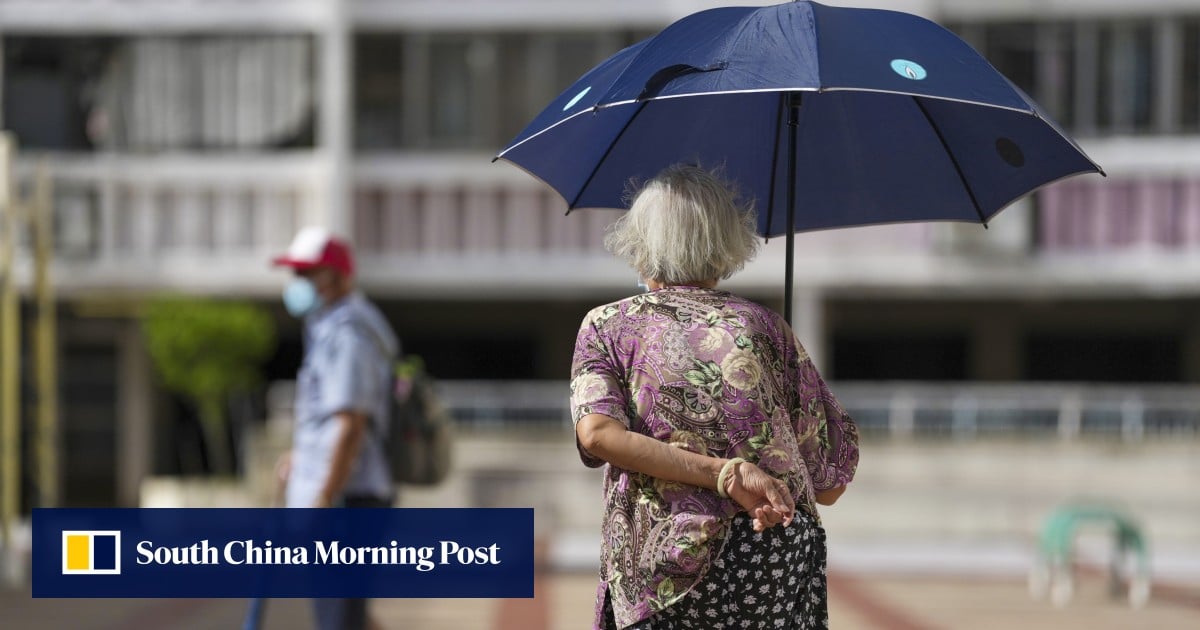
Hong Kong’s housing authorities will expand the use of smart technologies, such as door sensors, in-home fall detectors and stair climbers, to enhance safety and convenience for elderly residents at public estates as the city’s population ages.
Michael Hong Wing-kit, deputy director of housing overseeing estate management, said a pilot scheme to install sensors, which track door activity and send alerts, in public flats with elderly occupants would be expanded to include Tung Wui Estate in Wong Tai Sin and Tin Yan Estate in Tin Shui Wai.
Under a separate initiative, indoor fall detectors will be fitted in about 200 households where elderly people live alone or with just a spouse.
Advertisement
The devices, which can also detect periods of prolonged inactivity, can automatically connect to a 24-hour care-on-call centre.
To help the elderly and those with mobility impairments, stair climbers will be introduced at public estates. The aids were tested by suppliers at Yau Oi Estate and Lok Fu Estate starting in January.
Advertisement
Hong noted that last year’s policy address highlighted a strategy of “ageing in place” as a core element, with institutional care as a backup, adding that authorities would do more to build an age-friendly community.
Don't Miss:
-
Hong Kong’s MPF set to report worst performance in 3 years in March
-
Singapore police say body found is missing man from boat collision
-
Chinese-made drone shot in Iran, Australia’s diplomacy pivot: 5 weekend reads you missed
-
Warning issued after university student loses HK$190,000 in internship scam
-
Orban on the brink: could Hungary’s election dent China’s influence in Europe?