
 Ten years after the Panama Papers, enablers and tax cheats are still being brought to justice
  Behind the veil of secrecy: Ten years of the Panama Papers, part 2
  WATCH: The Panama Papers at 10 live panel event
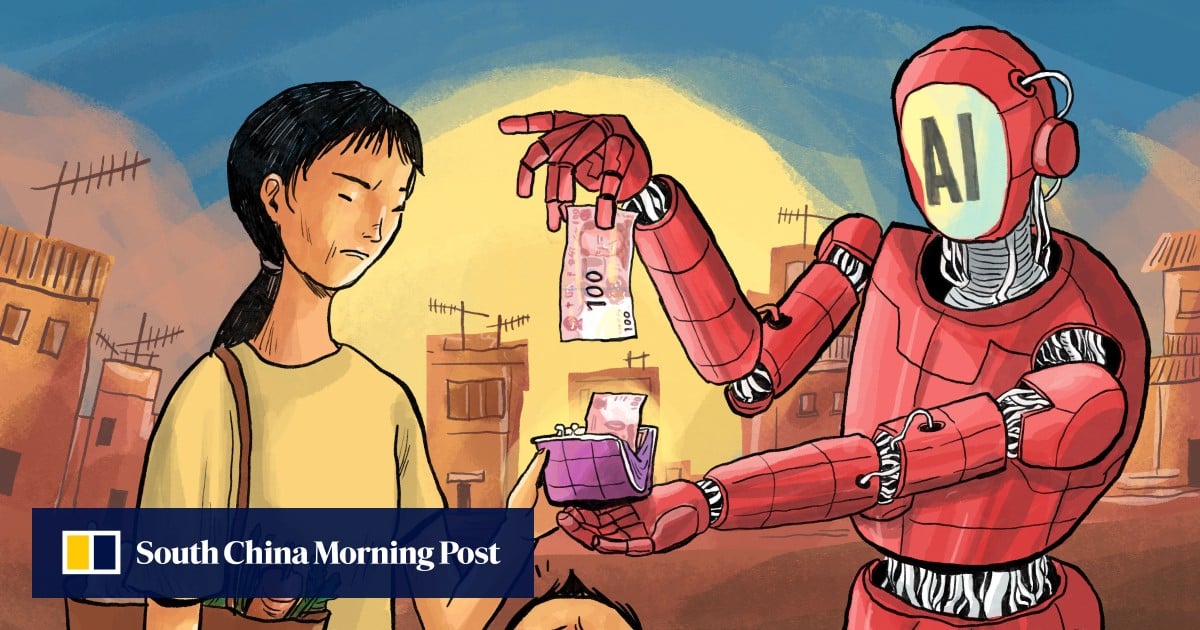
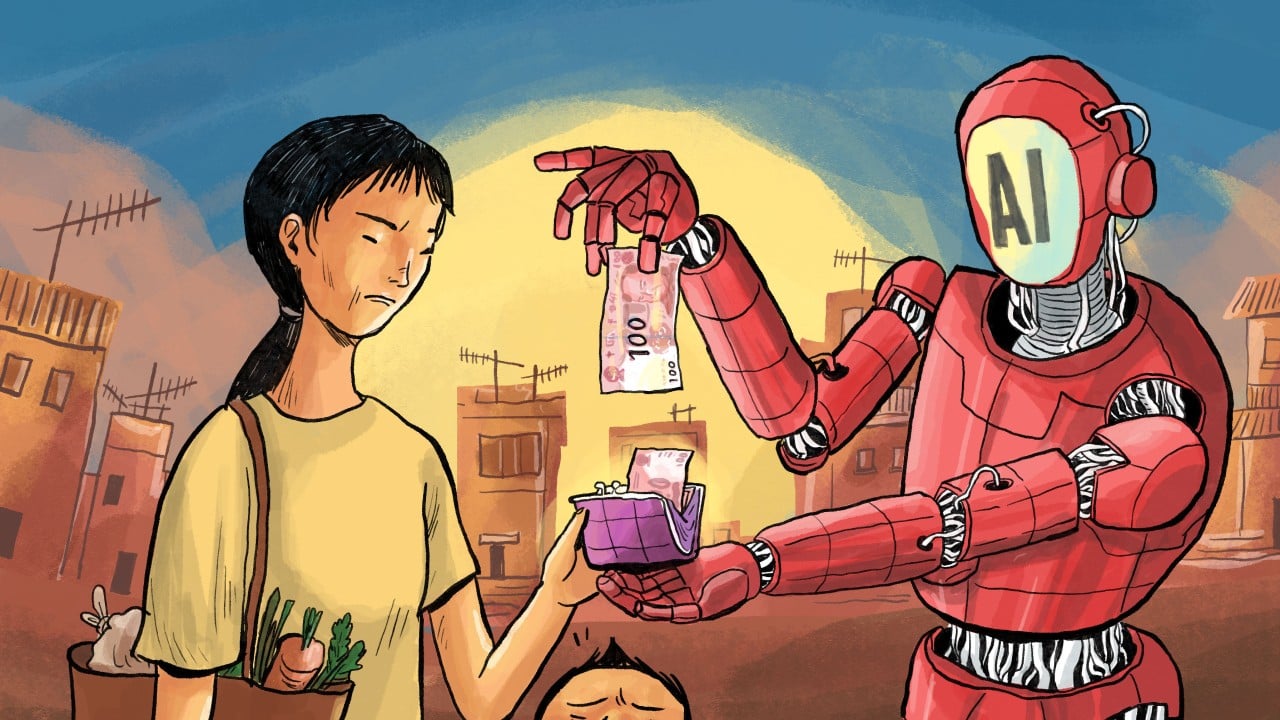
Before autonomous driving freed up the hands of Beijing’s middle class, thousands of workers some 1,500km (930 miles) away in China’s southwestern Guizhou province clicked away at computer screens to teach AI about navigating traffic.
In the mountainous city of Tongren, where incomes are less than half those in Beijing, the work of data labelling – marking residential buildings, pavements, roadways and traffic lights – shaped the artificial intelligence guiding those vehicles.
The job required little formal training and could be done almost anywhere, two factors that brought together the interests of tech companies seeking AI training data, the government aiming for job growth and workers needing jobs.
Advertisement
In China, AI-labelling workshops run by leading tech firms and supported by the state played a pivotal role in Beijing’s drive to alleviate absolute poverty in rural Guizhou, historically one of the country’s poorest provincial economies by GDP per capita.
One AI data-labelling poverty alleviation project created jobs for mothers with little education while enabling them to stay near home.
Advertisement
Success came early as the interests of three groups aligned.
Don't Miss:
-
Australia receives fuel export guarantees from Singapore, Japan
-
China’s luxury spending seen boosting global sales in 2026 despite headwinds
-
Chinese man, 90, cycles across country after tragic losses of wife, son, daughter-in-law, grandson
-
Why crisis-hit Asia is unlikely to embrace Trump’s America 250 party
-
UAE, Bahrain and Kuwait lose water, energy infrastructure to Iran strikes