
 Anwar Ibrahim: The Man Who Became the Compromise
  The US is letting a convicted Bolsonaro spy chief stay in Florida. Brazil wants answers.
  Rick Claypool on Pay to Play Corporate Crime Enforcement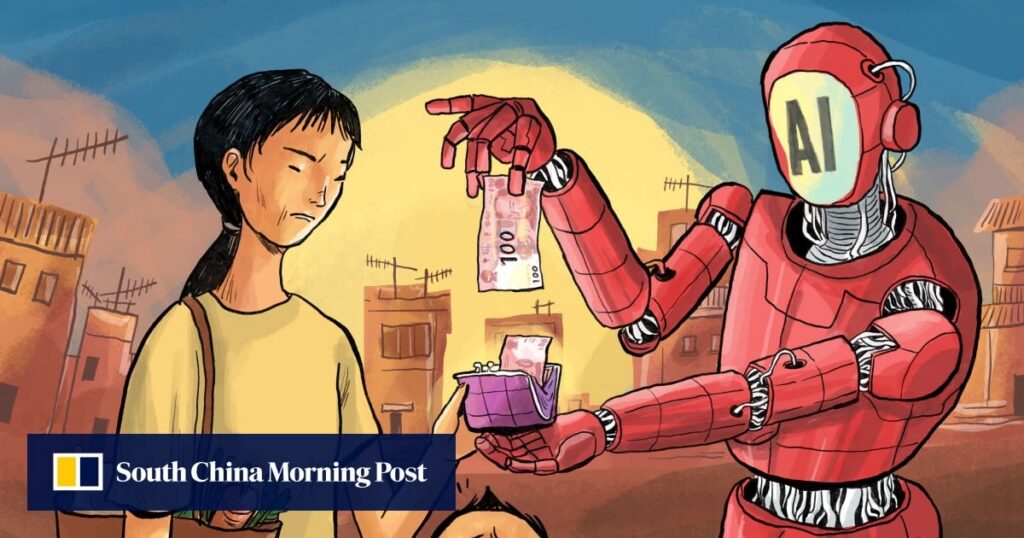
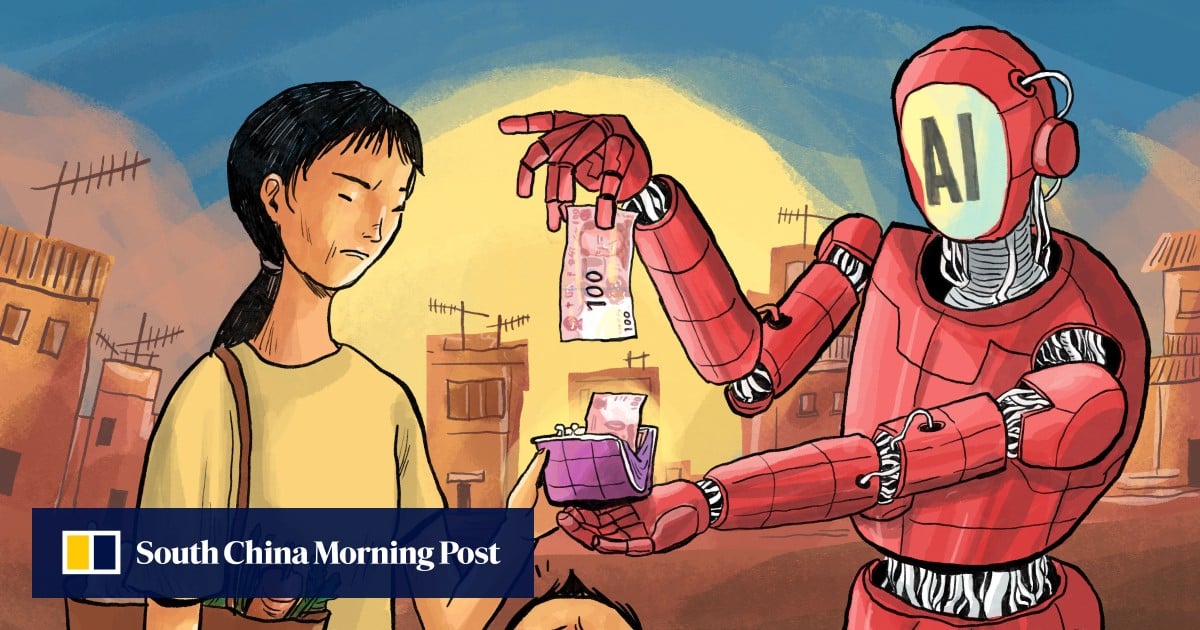
Before autonomous driving freed up the hands of Beijing’s middle class, thousands of workers some 1,500km (930 miles) away in China’s southwestern Guizhou province clicked away at computer screens to teach AI about navigating traffic.
In the mountainous city of Tongren, where incomes are less than half those in Beijing, the work of data labelling – marking residential buildings, pavements, roadways and traffic lights – shaped the artificial intelligence guiding those vehicles.
The job required little formal training and could be done almost anywhere, two factors that brought together the interests of tech companies seeking AI training data, the government aiming for job growth and workers needing jobs.
Advertisement
In China, AI-labelling workshops run by leading tech firms and supported by the state played a pivotal role in Beijing’s drive to alleviate absolute poverty in rural Guizhou, historically one of the country’s poorest provincial economies by GDP per capita.
One AI data-labelling poverty alleviation project created jobs for mothers with little education while enabling them to stay near home.
Advertisement
Success came early as the interests of three groups aligned.

Don't Miss:
-
Organized Crime Postponed Democracy in Haiti, Again | The InSight Take
-
Unstoppable Violence in Michoacán: 31 Police Officers Killed, and Criticism of the Government Mounts
-
A Total of 13 Mass Graves Have Been Found in Viesca Containing the Charred Remains of Men and Women
-
Jorge Luis Zambrano, alias “Rasquiña”
-
El Taliban Fell In Mazatlán… And What He Confessed Ties Everything Together