
 Questions swirl around US plans for record $15B Prince Group crypto seizure
  Donate to ICIJ
  Chelsea FC fined millions over secret payments under Abramovich ownership
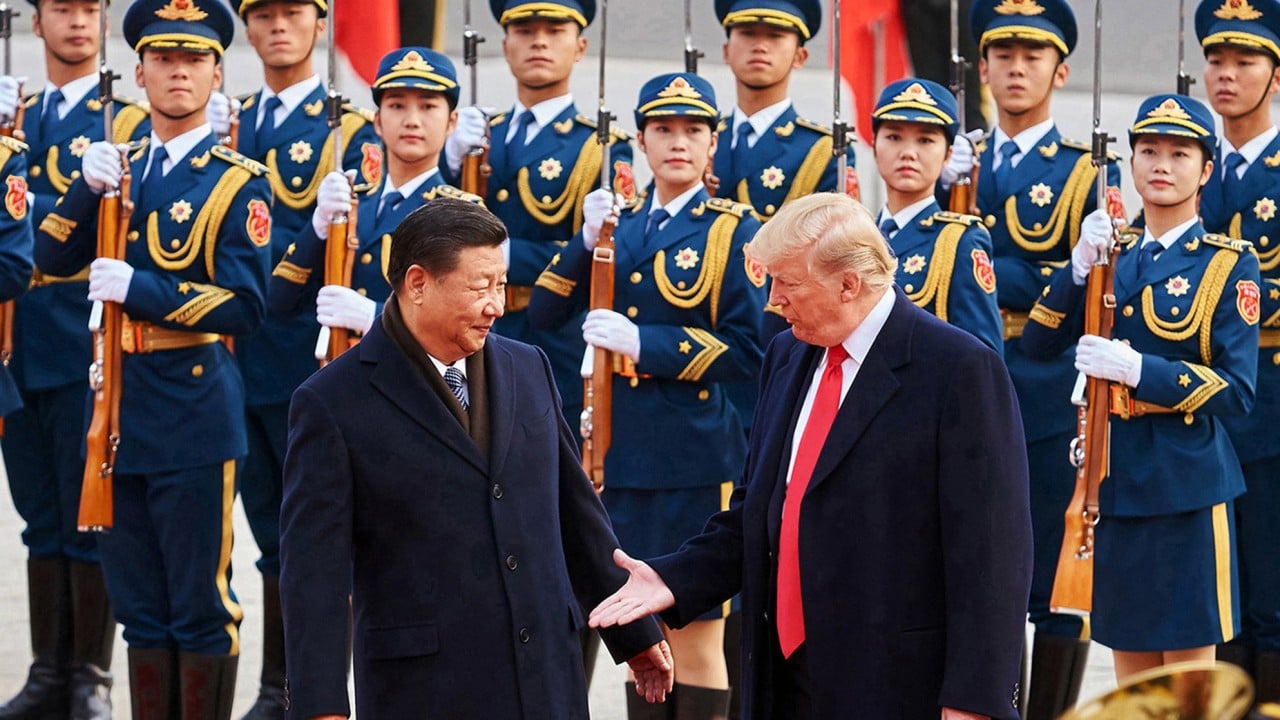
 But beneath the surface, a more complex story emerges: months of growing frustrations, mismatched expectations, unanswered proposals and a distracted Trump administration, all compounded by geopolitical crosswinds.
Advertisement
The result is a latticework of concerns that were straining the lead-up to the summit long before missiles escalated Middle East tensions, leaving Beijing increasingly wary of the meeting and bracing for even lower expectations.
Trump did not provide details on Tuesday of the diplomatic exchange behind the rescheduling or exactly when the summit might come together, other than “in five or six weeks”.
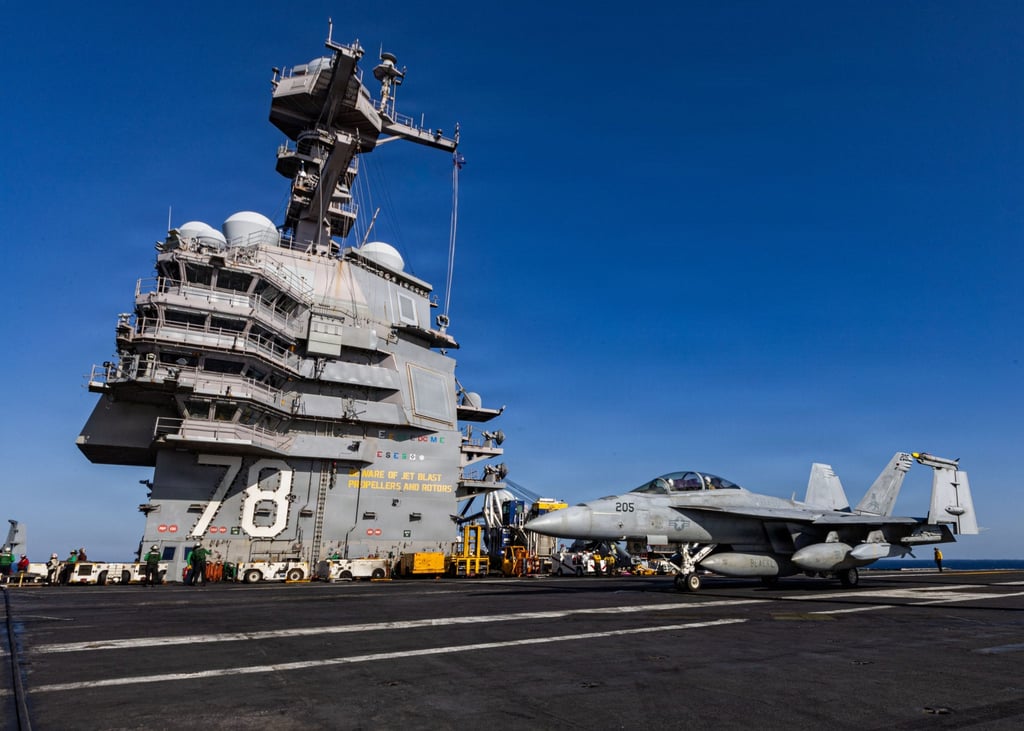
This reflected in part huge questions over the war’s duration, its objectives and the extent of the collateral damage. Closure of the strait, a critical oil chokepoint, has already disrupted global energy markets and complicated Trump’s foreign policy agenda.
Advertisement
Don't Miss:
-
‘Ghost oil’ stations earn ‘HK$10,000 a day’ in Hong Kong as petrol prices soar
-
Ageing Southeast Asia fights fears of death to brave the inevitable
-
Elon Musk misled Twitter shareholders, US jury finds
-
US claims China manipulating its position at UN to undermine America’s interests
-
US judge rules restrictive Pentagon press access unconstitutional