
 New documents show how a retail chain’s sales practices helped put guns on US streets
  Singapore a battleground of commodities fraud lawsuits
  From Propagandist to Criminal
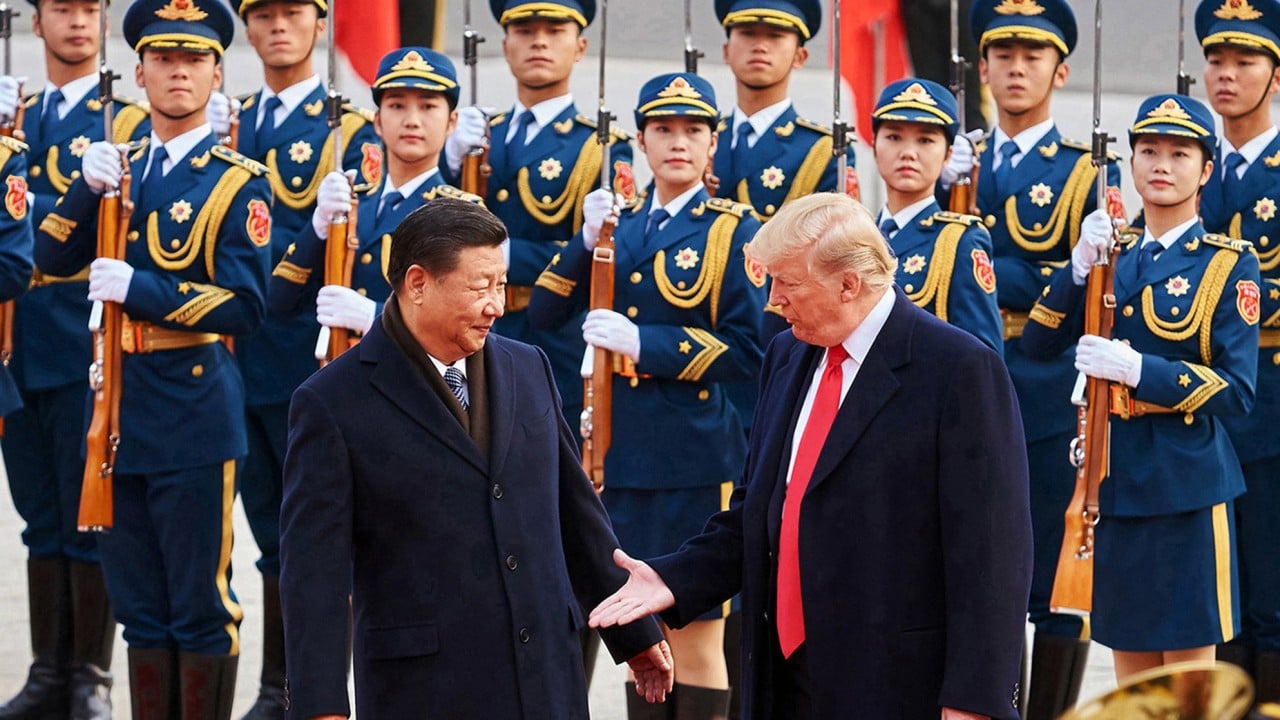
 But beneath the surface, a more complex story emerges: months of growing frustrations, mismatched expectations, unanswered proposals and a distracted Trump administration, all compounded by geopolitical crosswinds.
Advertisement
The result is a latticework of concerns that were straining the lead-up to the summit long before missiles escalated Middle East tensions, leaving Beijing increasingly wary of the meeting and bracing for even lower expectations.
Trump did not provide details on Tuesday of the diplomatic exchange behind the rescheduling or exactly when the summit might come together, other than “in five or six weeks”.
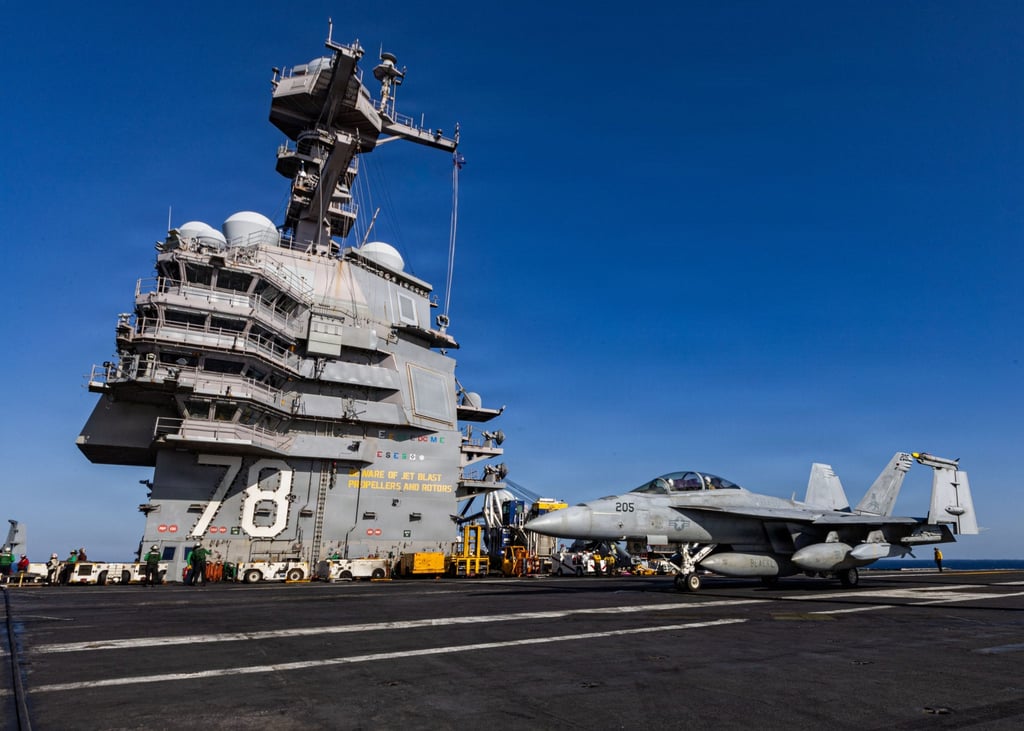
This reflected in part huge questions over the war’s duration, its objectives and the extent of the collateral damage. Closure of the strait, a critical oil chokepoint, has already disrupted global energy markets and complicated Trump’s foreign policy agenda.
Advertisement
Don't Miss:
-
Former American Idol singer Caleb Flynn sentenced to life in prison for wife’s murder
-
Bogota mayor presses Chinese-led consortium for more metro workers as auditors flag delays
-
ICC unseals arrest warrants for 4 Taliban leaders wanted on gender persecution charges
-
Quebec votes in provincial election as separatist surge poses test for Canada’s PM Carney
-
“Here, We Confront Drug Traffickers Daily… And The U.S.?”