
 New documents show how a retail chain’s sales practices helped put guns on US streets
  Singapore a battleground of commodities fraud lawsuits
  From Propagandist to Criminal
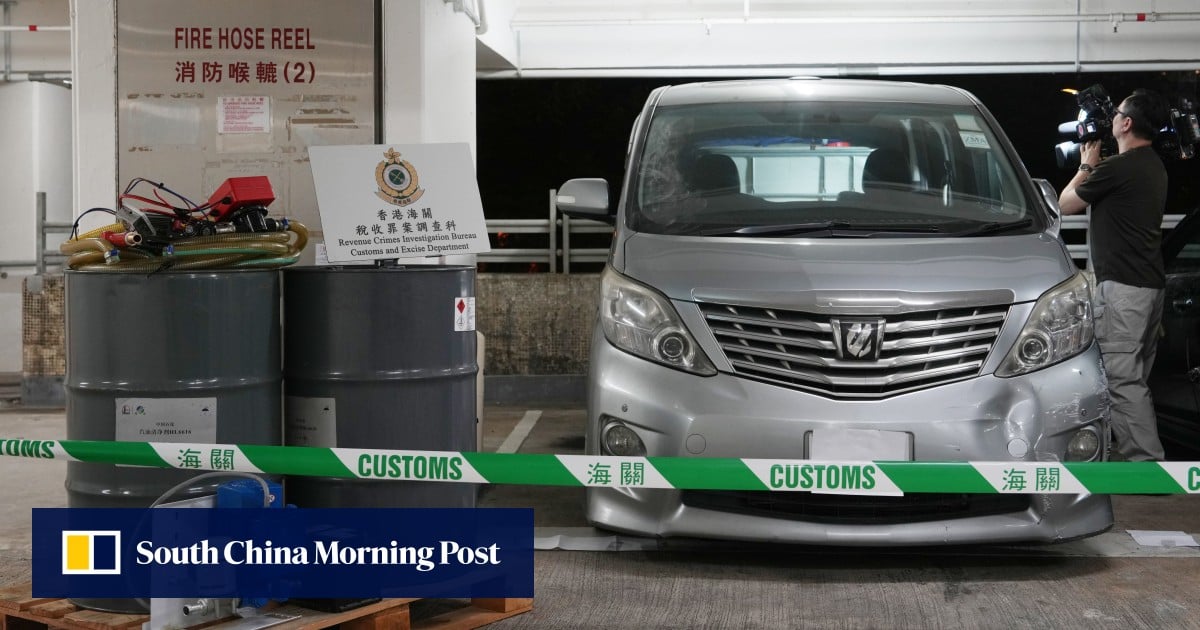
Operators of illicit fuel stations can earn as much as HK$10,000 (US$1,280) a day by smuggling untaxed petrol into Hong Kong using vehicles equipped with enlarged tanks and selling it to car club members via coded messages, the South China Morning Post has learned.
A source said there had been more cases involving illicit fuel or “ghost oil” in the city since late February, when petrol prices began to soar following US-Israel strikes on Iran.
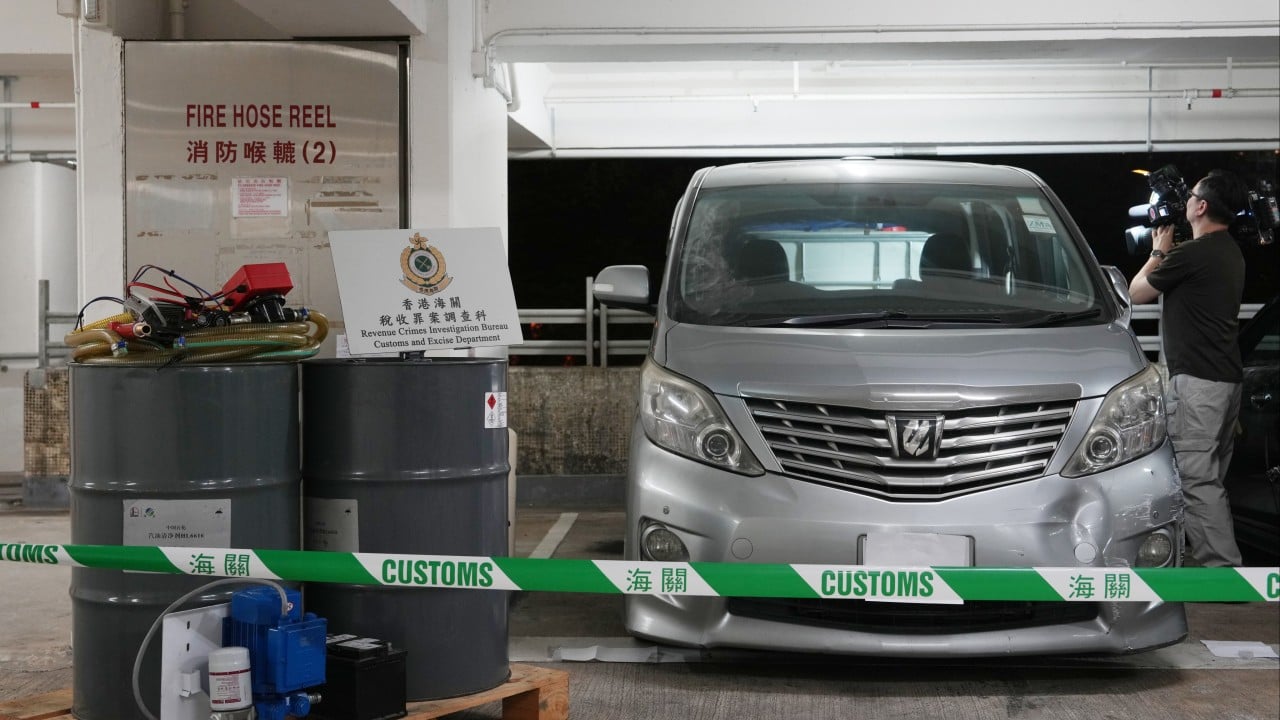
The source said law enforcement raids usually discovered trucks equipped with enlarged tanks filled with untaxed fuel from mainland China, vehicles acting as mobile stations carrying untaxed petrol, and fixed illicit filling stations.
Advertisement
Fixed stations were usually hidden in sheds in remote areas, the source said. Operators would offload the illicit fuel from their vehicles into barrels at the site for patrons or fill up other vehicles acting as mobile stations elsewhere.
“There are transit points for the fuel to be distributed to other areas,” the source said.
Advertisement
Illicit filling stations could earn up to HK$10,000 per day, according to the source, as they profited from price differences between local taxed petrol and lower-priced options on the mainland.
Don't Miss:
-
Former American Idol singer Caleb Flynn sentenced to life in prison for wife’s murder
-
Bogota mayor presses Chinese-led consortium for more metro workers as auditors flag delays
-
ICC unseals arrest warrants for 4 Taliban leaders wanted on gender persecution charges
-
Quebec votes in provincial election as separatist surge poses test for Canada’s PM Carney
-
“Here, We Confront Drug Traffickers Daily… And The U.S.?”