
 Rick Claypool on Pay to Play Corporate Crime Enforcement
  Labaton Launches Whistleblower Practice with Former SEC Acting Chair Allison Herren Lee
  Kremlin payment firm A7 has been pumping billions in ‘untraceable’ cash into global financial system
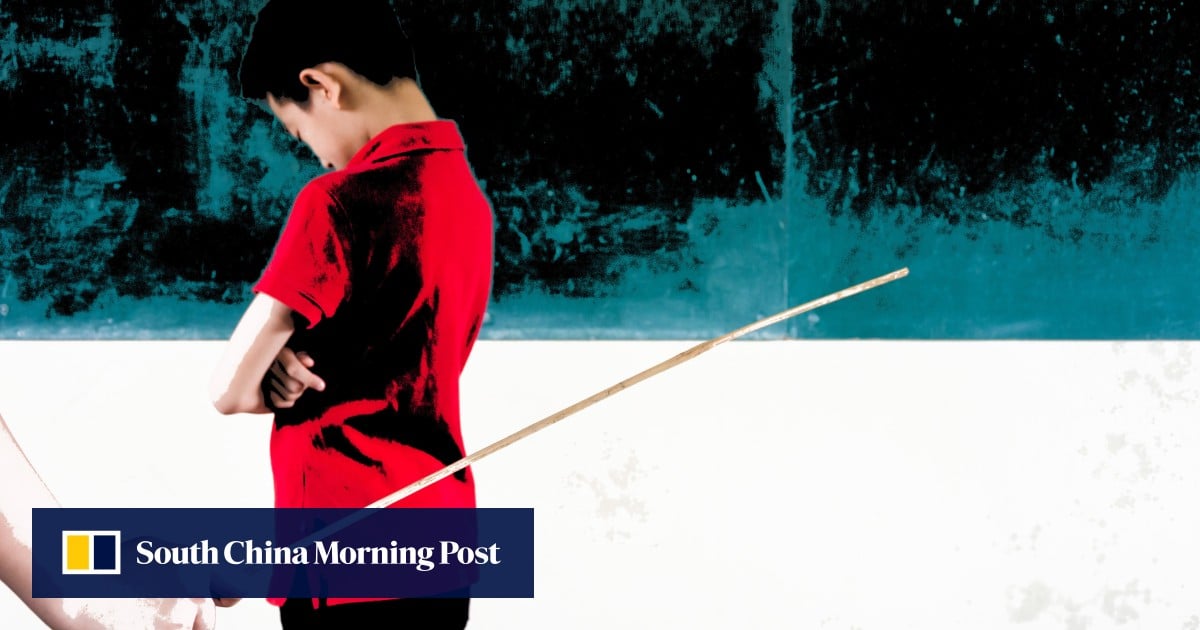
For six months, Adriana Lim Escano’s teenage son went to school and said nothing. He had tried to do the right thing – stepping in when a group of boys bullied a classmate – and paid for it with half a year of misery, name-calling and social isolation.
His mother only found out when another parent called to say her son had voiced suicidal thoughts to a friend.
The school’s response, when it finally came, was a talking-to from the discipline committee. No suspensions. No meaningful consequences.
Advertisement
“He questioned whether there was justice in this world and whether there were safe adults in school who cared,” said Escano, 47, the founder of a distribution and retail concepts company.
He questioned whether there was justice in this world
Advertisement
The measures, announced after a government review following two high-profile school bullying incidents, aim to introduce a clearer punishment framework – rather than a case-by-case approach – under which repeat offenders of serious offences can be suspended for five to 14 days.

Don't Miss:
-
A Total of 13 Mass Graves Have Been Found in Viesca Containing the Charred Remains of Men and Women
-
Jorge Luis Zambrano, alias “Rasquiña”
-
El Taliban Fell In Mazatlán… And What He Confessed Ties Everything Together
-
Inside the Camp at the Heart of Honduras’ Garífuna Land Struggle
-
This Is How the MataZetas Captured and Executed the Zetas