
 Ten years after the Panama Papers, enablers and tax cheats are still being brought to justice
  Behind the veil of secrecy: Ten years of the Panama Papers, part 2
  WATCH: The Panama Papers at 10 live panel event
 “You don’t even have to look for it,” nine-year-old Anaqi said of the short videos he watches online. “It just shows up automatically, and it’s super interesting.”
He is worried about the effect of such content as too much of what the boys watch is “nonsense” that is not meant for children.
Advertisement
Their attention span and language skills also appear to have deteriorated since watching them. “If they watch for too long, they struggle to focus,” he said.
He has also noticed problems with fine motor skills. “Writing becomes difficult. Even lifting heavier things becomes difficult.”
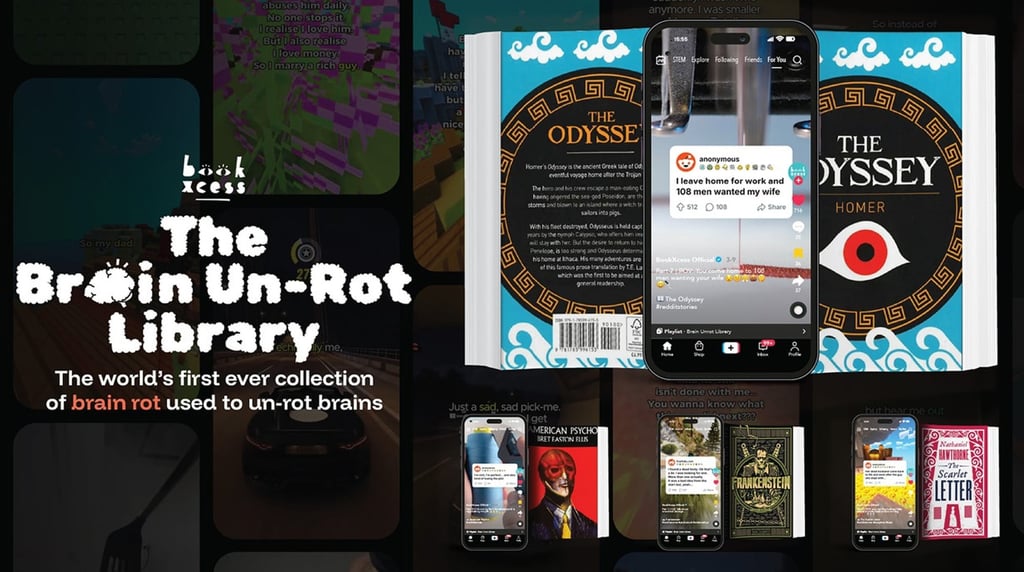
In 2024, Oxford University Press named “brain rot” its word of the year, defining it as the supposed mental or intellectual decline linked to overconsumption of trivial or unchallenging online content.
Advertisement

Don't Miss:
-
Australia receives fuel export guarantees from Singapore, Japan
-
China’s luxury spending seen boosting global sales in 2026 despite headwinds
-
Chinese man, 90, cycles across country after tragic losses of wife, son, daughter-in-law, grandson
-
Why crisis-hit Asia is unlikely to embrace Trump’s America 250 party
-
UAE, Bahrain and Kuwait lose water, energy infrastructure to Iran strikes