
 Anwar Ibrahim: The Man Who Became the Compromise
  The US is letting a convicted Bolsonaro spy chief stay in Florida. Brazil wants answers.
  Rick Claypool on Pay to Play Corporate Crime Enforcement
 “You don’t even have to look for it,” nine-year-old Anaqi said of the short videos he watches online. “It just shows up automatically, and it’s super interesting.”
He is worried about the effect of such content as too much of what the boys watch is “nonsense” that is not meant for children.
Advertisement
Their attention span and language skills also appear to have deteriorated since watching them. “If they watch for too long, they struggle to focus,” he said.
He has also noticed problems with fine motor skills. “Writing becomes difficult. Even lifting heavier things becomes difficult.”
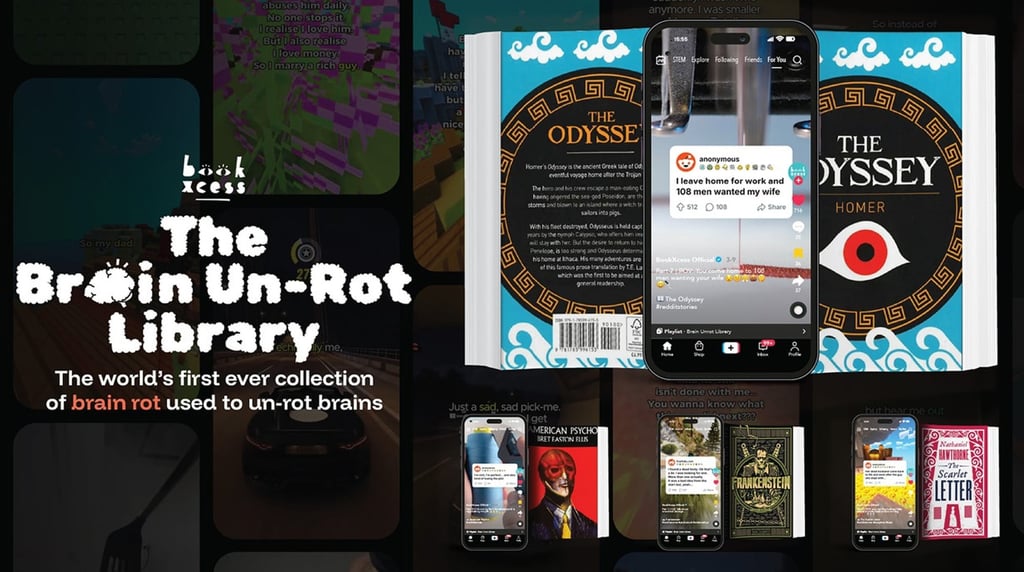
In 2024, Oxford University Press named “brain rot” its word of the year, defining it as the supposed mental or intellectual decline linked to overconsumption of trivial or unchallenging online content.
Advertisement

Don't Miss:
-
Organized Crime Postponed Democracy in Haiti, Again | The InSight Take
-
Unstoppable Violence in Michoacán: 31 Police Officers Killed, and Criticism of the Government Mounts
-
A Total of 13 Mass Graves Have Been Found in Viesca Containing the Charred Remains of Men and Women
-
Jorge Luis Zambrano, alias “Rasquiña”
-
El Taliban Fell In Mazatlán… And What He Confessed Ties Everything Together