
 New documents show how a retail chain’s sales practices helped put guns on US streets
  Singapore a battleground of commodities fraud lawsuits
  From Propagandist to Criminal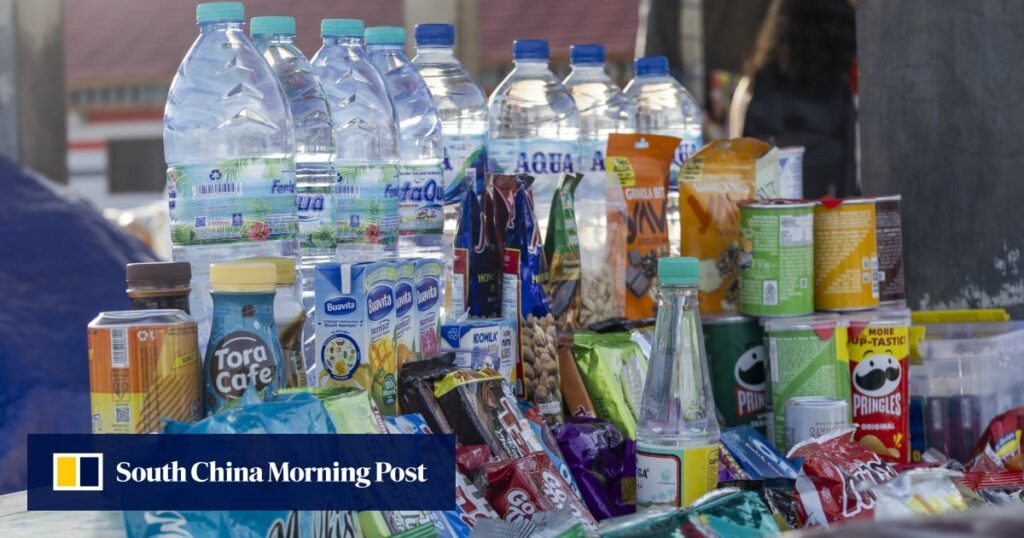
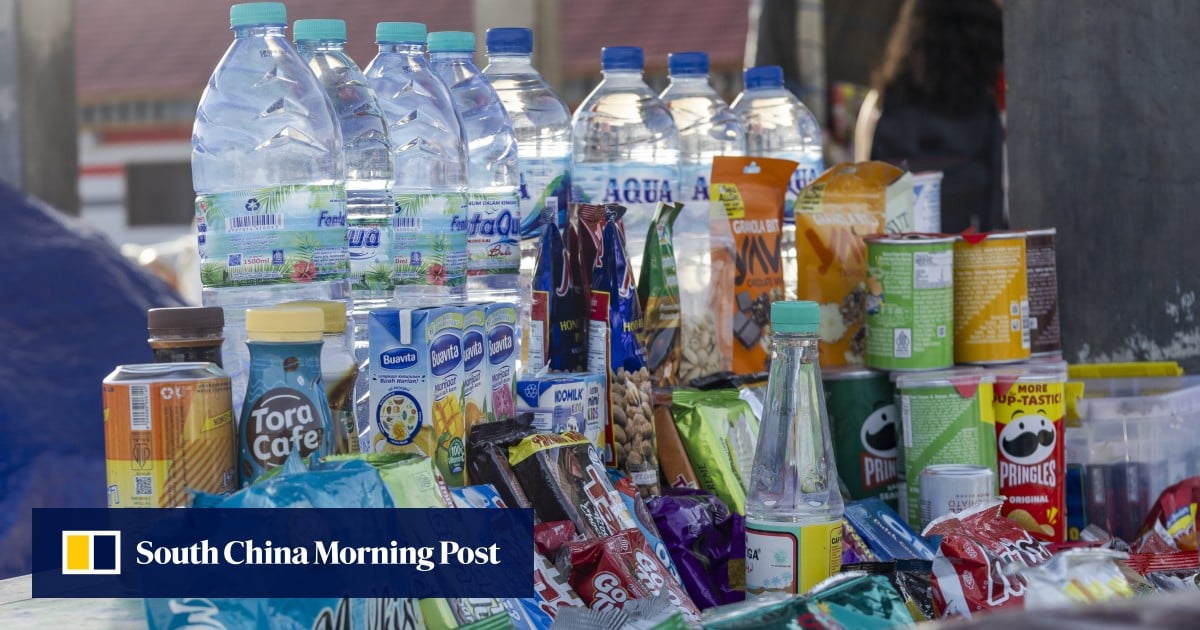
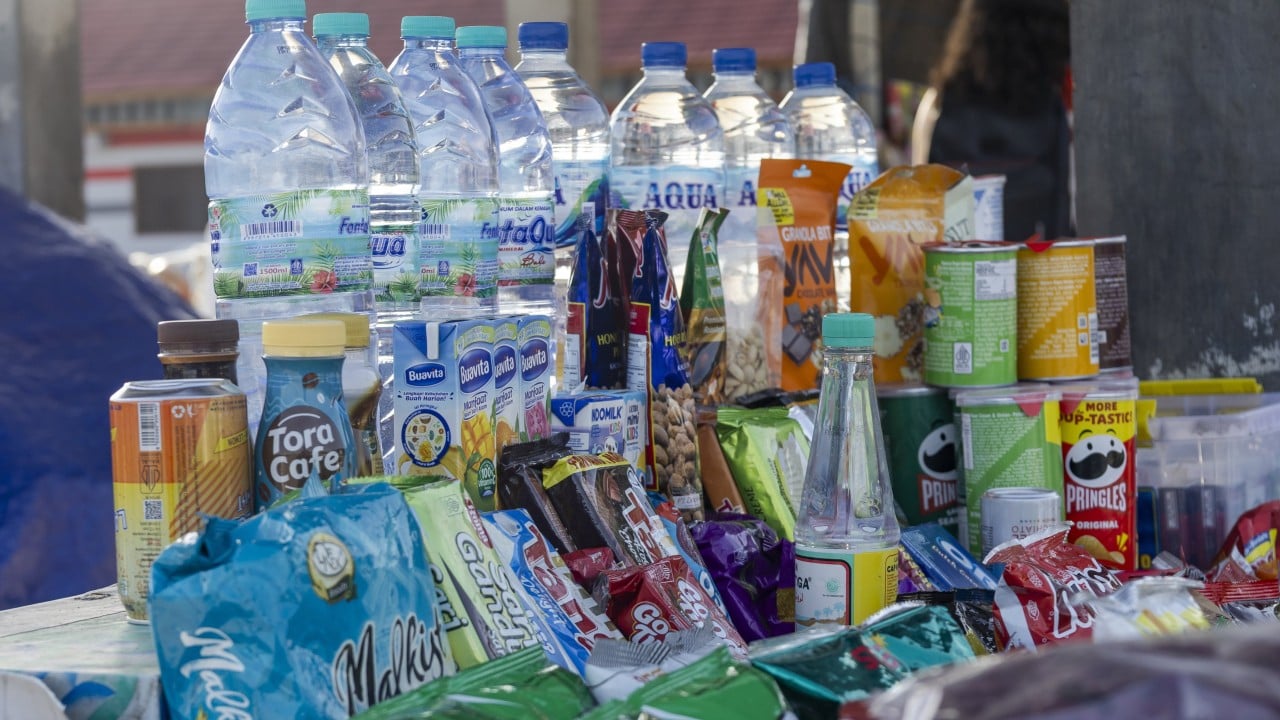
But experts said the labels were only a first step and would do little on their own to slow Indonesia’s growing burden of obesity, diabetes, hypertension and other diet-related diseases.
A decree issued by the health ministry on April 14 requires ready-to-eat food and drink products to carry nutrition labels and health messages on the front of their packaging, as well as on menus, brochures, flyers, food-delivery applications and other promotional materials.
Advertisement
The initiative will initially apply to large-scale drink producers on a voluntary basis before expanding to food categories and becoming mandatory in two years.
Indonesia has chosen a “nutri-level” system similar to Singapore’s Nutri-Grade model, with products graded A, B, C or D.
Advertisement
Green A and B labels indicate products low in sugar, salt and fat, while a red D label signals products high in sugar and saturated fat.
Don't Miss:
-
Former American Idol singer Caleb Flynn sentenced to life in prison for wife’s murder
-
Bogota mayor presses Chinese-led consortium for more metro workers as auditors flag delays
-
ICC unseals arrest warrants for 4 Taliban leaders wanted on gender persecution charges
-
Quebec votes in provincial election as separatist surge poses test for Canada’s PM Carney
-
“Here, We Confront Drug Traffickers Daily… And The U.S.?”