
 The Taliban’s New War Begins at Home
  Panama removed from EU’s tax haven ‘blacklist’ a decade after the Panama Papers
  Crackdown and Controversy: The Battle Over Beach Bars and Noise in Phuket’s Bang Tao
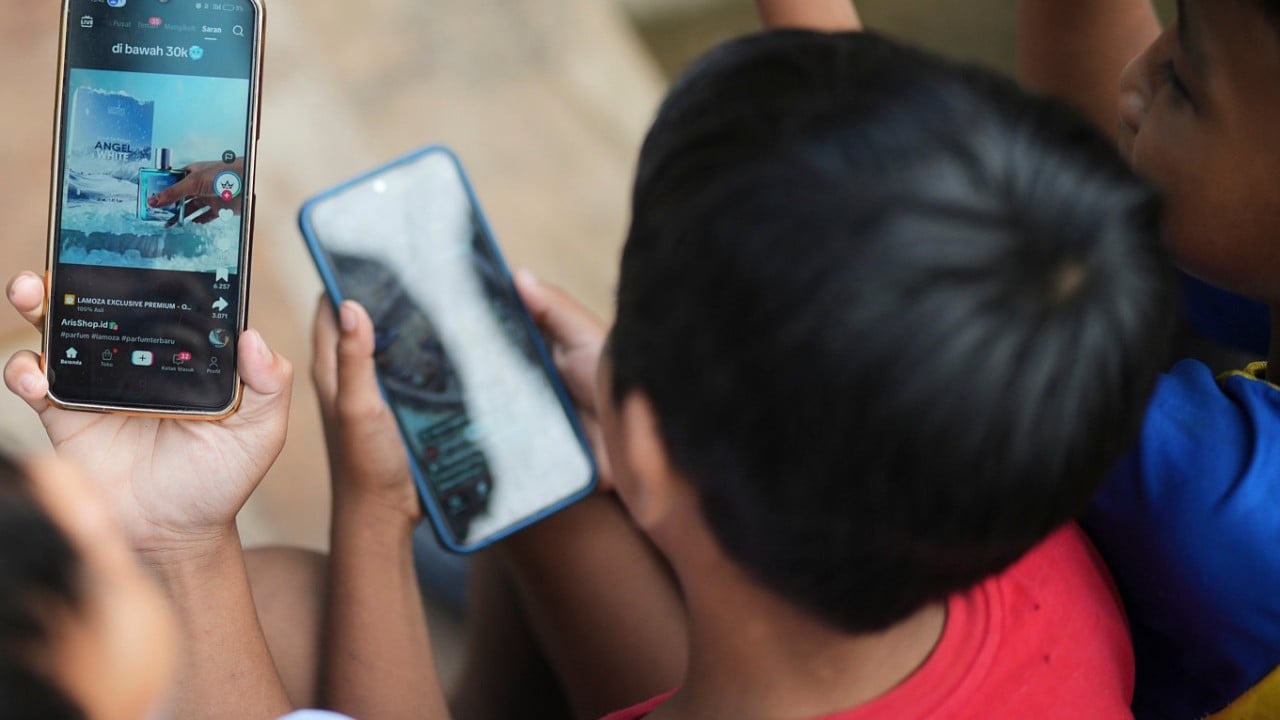
 But analysts and digital rights advocates say the real question is not how many accounts have disappeared, but whether those removals can be verified and if they have actually made children safer online.
By late June, the figures reported by platforms to Indonesia’s Ministry of Communication and Digital Affairs (Komdigi) included about 4.1 million suspected underage accounts on TikTok, 600,000 on YouTube and 185,000 on Meta’s Facebook, Instagram and Threads.

Yet the same numbers that have given the government early compliance headlines also expose the central weakness of the policy, critics say: enforcement depends heavily on platforms to identify underage users, report their own compliance and decide how age checks should work.
“Honestly, the 4.8 million figure looks like enforcement, but what it really shows is dependence,” said Ika Idris, a Monash University Indonesia public policy scholar who researches social media analytics and digital platform policy. “Right now, ‘enforcement’ means platforms grading their own homework and the regulator accepting the grade.”
Don't Miss:
-
Drug Trafficking, U.S. Banks, and the Economic Reality Under Trump
-
Ivan’s Mob Beheads A Los Mayos Member
-
Ex-OFAC Official: The Cartel Risk Companies Can’t See | The InSight Take
-
Why Ecuador Is Losing Its Fight Against Organized Crime
-
‘El Cromo’ Arrested in Guadalajara; He Is Linked to a Group Affiliated with the CJNG