
 Ten years after the Panama Papers, enablers and tax cheats are still being brought to justice
  Behind the veil of secrecy: Ten years of the Panama Papers, part 2
  WATCH: The Panama Papers at 10 live panel event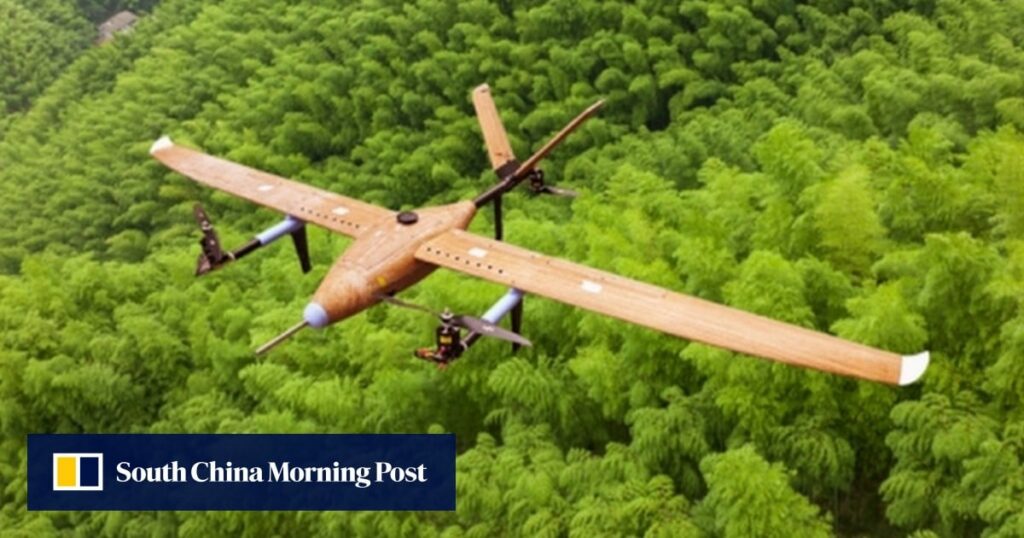
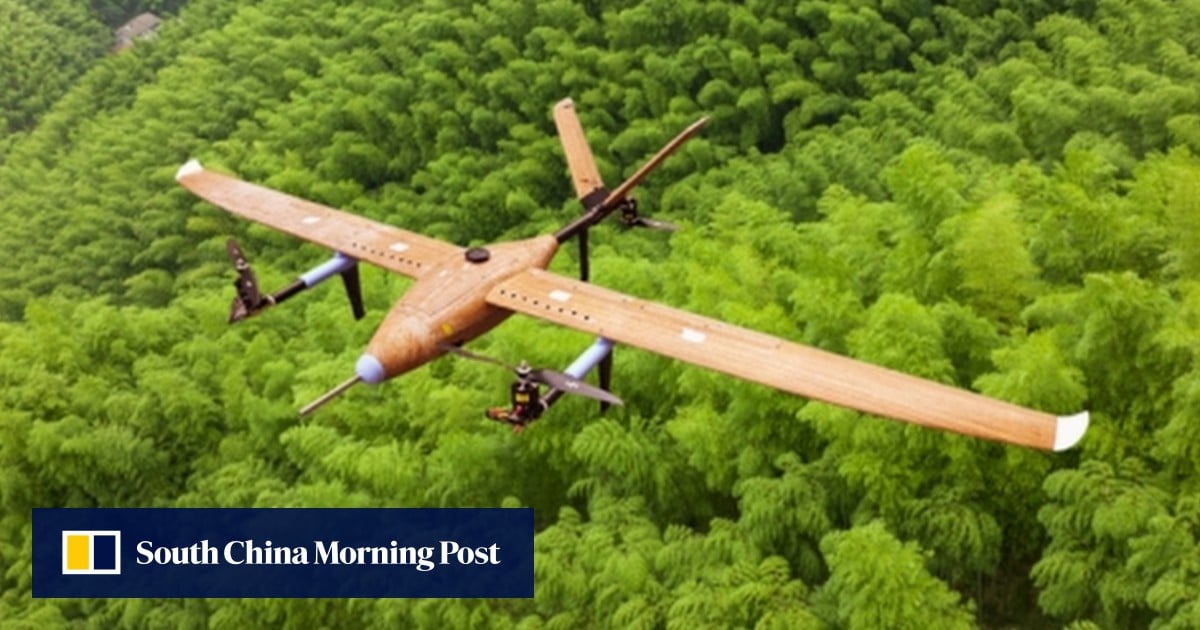
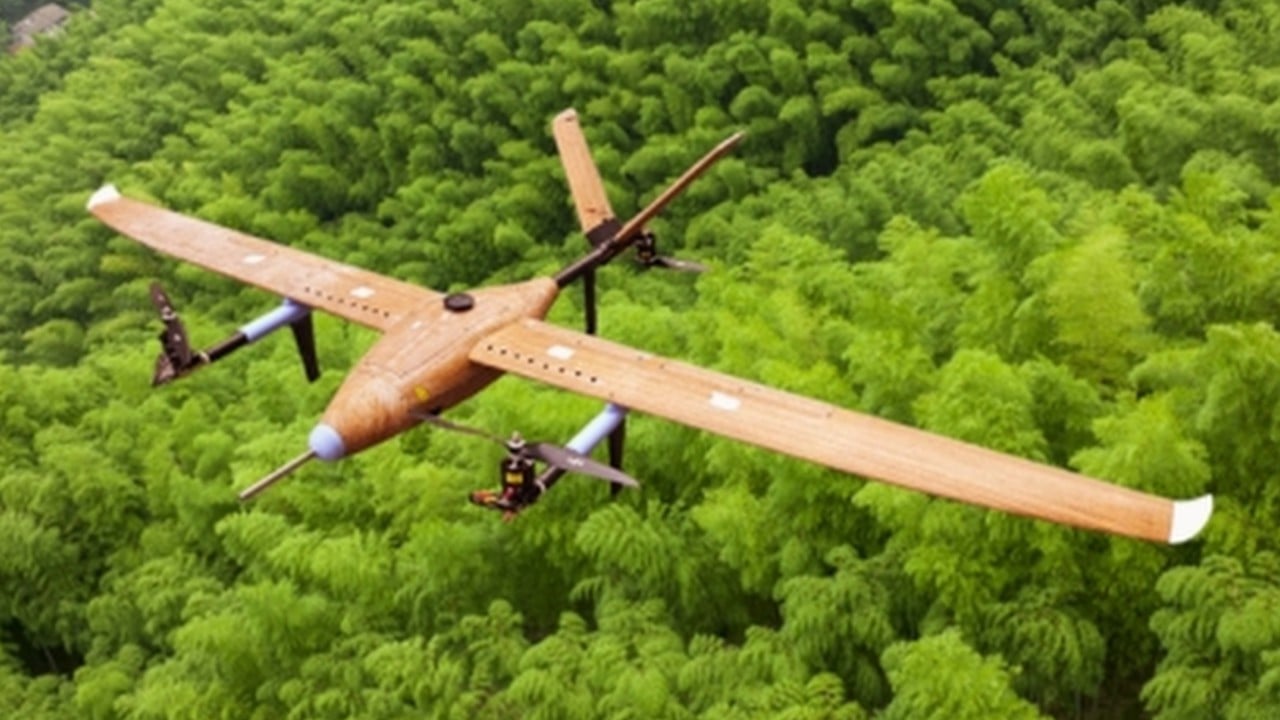
Unlike conventional airframes made of composite materials, bamboo structures introduce low-frequency vibrations – typically in the 8–20 hertz range – that standard flight controllers struggle to handle.
Advertisement
According to the team’s paper, published on February 28 in Heilongjiang Science, existing commercial flight controllers are either closed-source and inflexible, or open-source but poorly adapted to local development needs, limiting the industrialisation of bamboo-based UAVs.
Advertisement
More significantly, they redesigned the control algorithms to match bamboo’s structural properties.
By tuning an extended Kalman filter and leveraging bamboo’s natural vibration-damping characteristics, the system reduces control latency from 15 to 20 milliseconds to as low as 8 to 10 milliseconds – improving responsiveness while maintaining stability.
Don't Miss:
-
Student in controversial Hong Kong documentary hits out at planned Italian screening
-
Russia, Ukraine strikes kill 10 as Zelensky travels to Turkey for talks
-
Iran has 48 hours to make a deal, says Trump, or US will unleash ‘hell’
-
Chinese surveillance tech rolled out in Africa with ZTE, Hikvision and Huawei at the helm
-
Iran war: Senegal limits foreign visits for ministers as fallout from conflict deepens