
 The Taliban’s New War Begins at Home
  Panama removed from EU’s tax haven ‘blacklist’ a decade after the Panama Papers
  Crackdown and Controversy: The Battle Over Beach Bars and Noise in Phuket’s Bang Tao
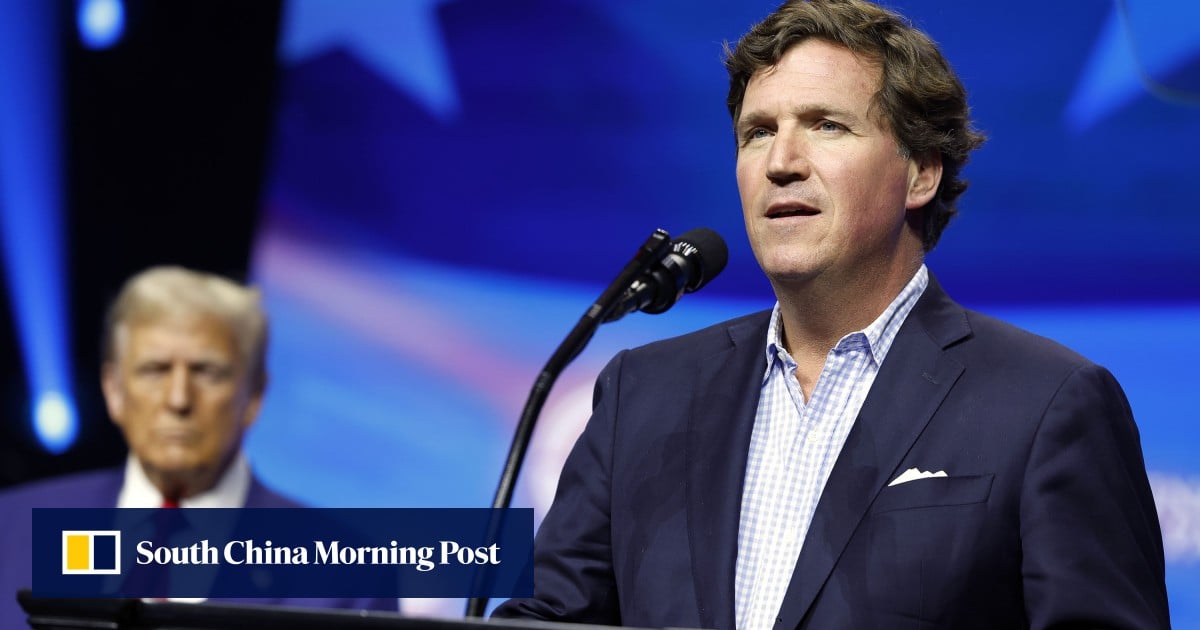
In an interview with the Columbia Journalism Review published on Wednesday, the podcast host said that he planned to help launch a new political party but did not plan to run as a candidate.
It was an “inevitable outcome” of mounting tensions within the conservative movement during Trump’s second term, and a microcosm of the party’s widening internal divide, a CICIR article published on Thursday said.
“When its once-staunchest media standard-bearer turns and walks away, the Republican Party may be facing more than the fate of a single election – it may need to reckon with the very beliefs and direction of the coalition itself,” wrote Qu Shuiqing and Li Chupei of CICIR’s Institute of American Studies.
Trump’s handling of the Iran war and the economy continue to divide the conservative movement.
Marjorie Taylor Greene, who resigned from her Georgia congressional seat earlier this year, echoed Carlson’s break soon after, saying he was “not the only one” who was done supporting a party that “betrays its voters and country”.
Don't Miss:
-
Drug Trafficking, U.S. Banks, and the Economic Reality Under Trump
-
Ivan’s Mob Beheads A Los Mayos Member
-
Ex-OFAC Official: The Cartel Risk Companies Can’t See | The InSight Take
-
Why Ecuador Is Losing Its Fight Against Organized Crime
-
‘El Cromo’ Arrested in Guadalajara; He Is Linked to a Group Affiliated with the CJNG