
 The “Chokubi” Crisis
  Bhutan’s ‘Mindfulness City’ to Link to India by Rail
  Cracks in the Sand: Gulf Monarchies’ Economic and Geopolitical Peril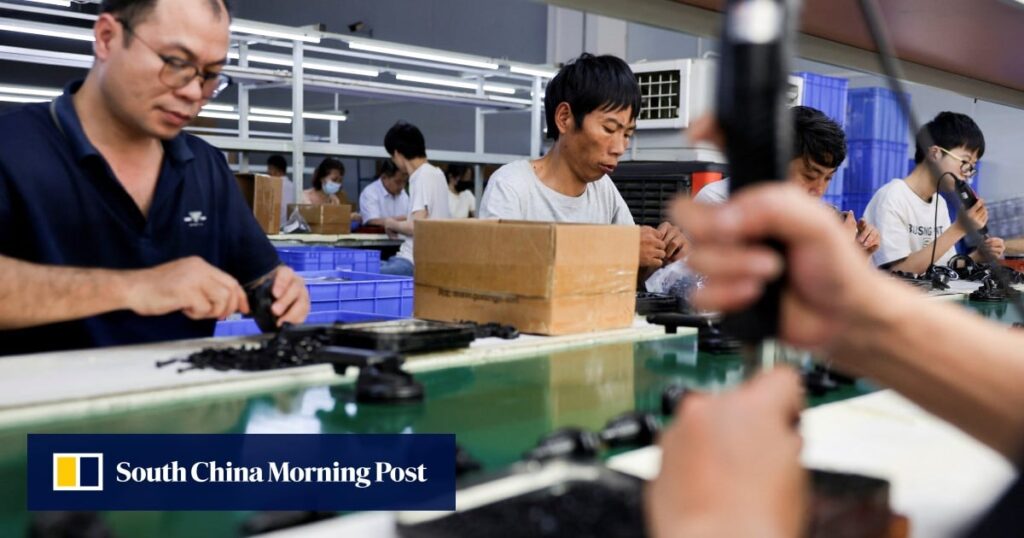
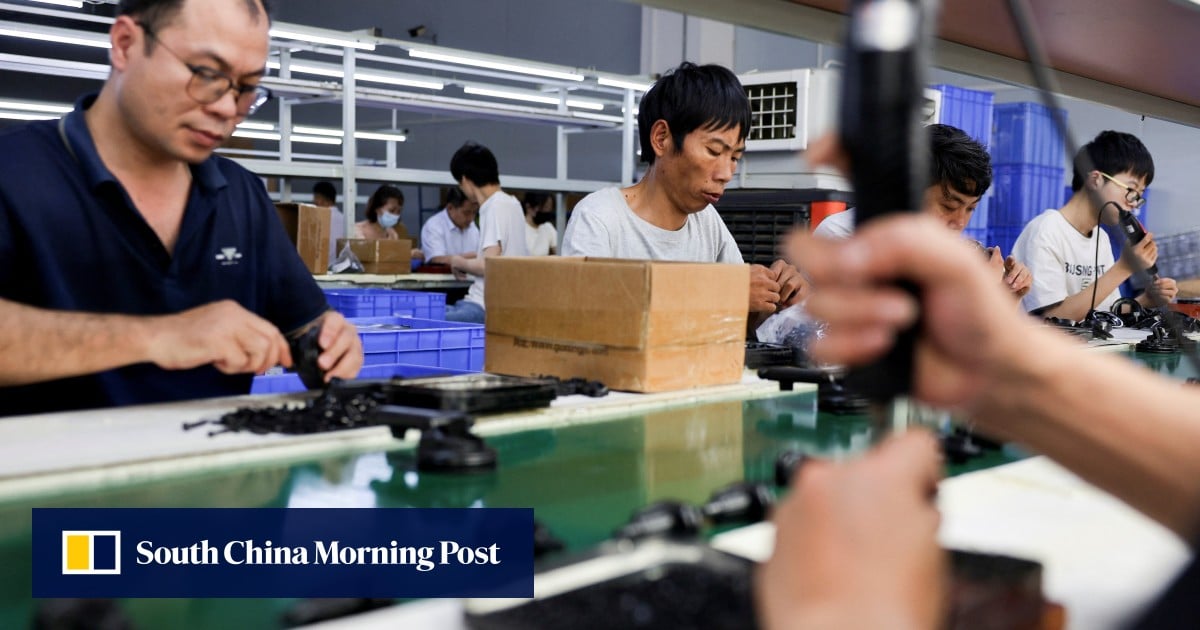
As the Strait of Hormuz reopened and closed again this week, manufacturers across China are navigating a roller coaster of concerns rooted in supply and pricing volatilities.
Soaring oil prices have already filtered through to processed fuel and petroleum-based raw materials that help power China’s manufacturing sector – the world’s largest – and a fragile two-week ceasefire between Iran and the United States is unlikely to restore pre-conflict stability in the near term, according to industry insiders.
“Some companies have begun delaying or cancelling orders,” said Wang Chao, a senior analyst at advisory firm Guangzhou Quantitative Consulting, adding that firms were attempting to avoid passing higher costs to consumers.
Advertisement
“This is not limited to factories. Cross-border e-commerce shipments have also been affected. In the home-appliance sector, higher freight costs have hit end-market demand, prompting overseas buyers to scale back or postpone purchases,” Wang added.
Brent crude oil trading around US$100 to US$105 a barrel remains “elevated enough to squeeze costs across supply chains”, Wang said. Crude was around US$70 per barrel before Israel and the US launched strikes on Iran more than a month ago. Prices were roughly US$96 a barrel as of Friday.
Advertisement
Don't Miss:
-
Over the moon: Artemis II astronauts make emotional homecoming after record trip
-
Sex assault claims against California governor hopeful Eric Swalwell under investigation
-
French police find naked boy, 9, locked in father’s van since 2024
-
Attack on a Police Station and Homes in Zacatecas
-
250 Mmbers of the Mexican National Defense Secretariat (Sedena) are Arriving to Bolster Security in Juárez