
 The Taliban’s New War Begins at Home
  Panama removed from EU’s tax haven ‘blacklist’ a decade after the Panama Papers
  Crackdown and Controversy: The Battle Over Beach Bars and Noise in Phuket’s Bang Tao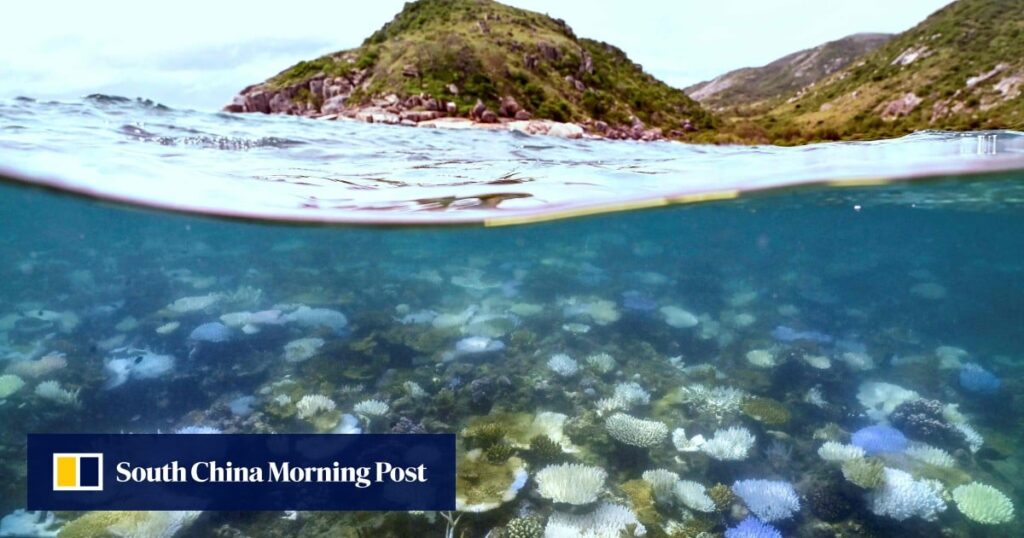
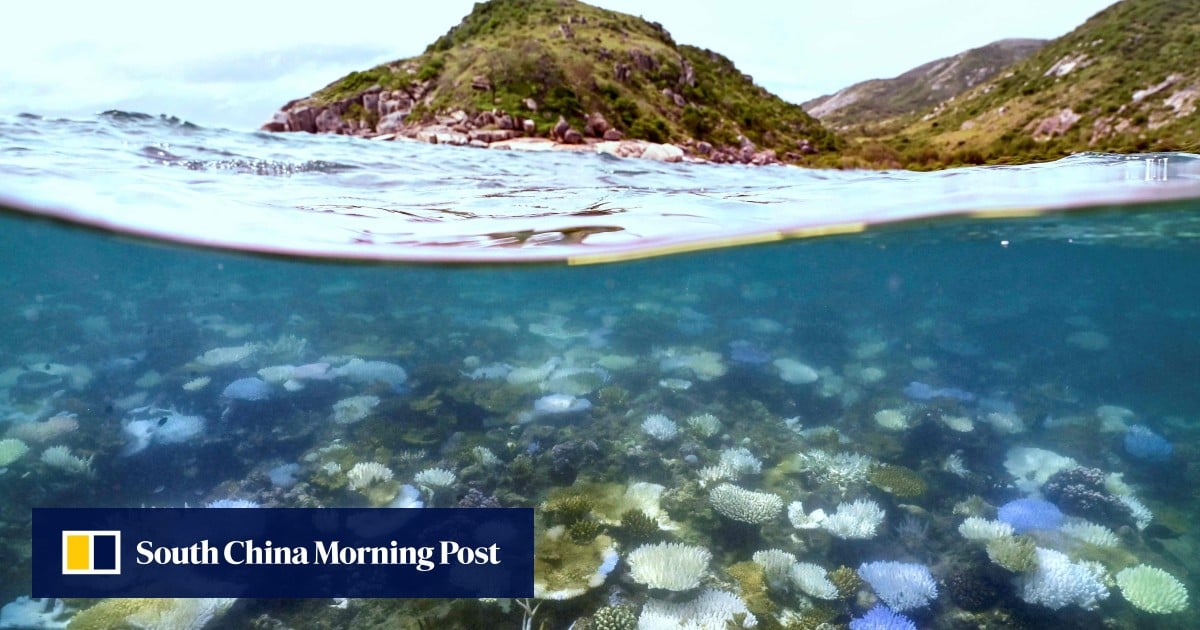
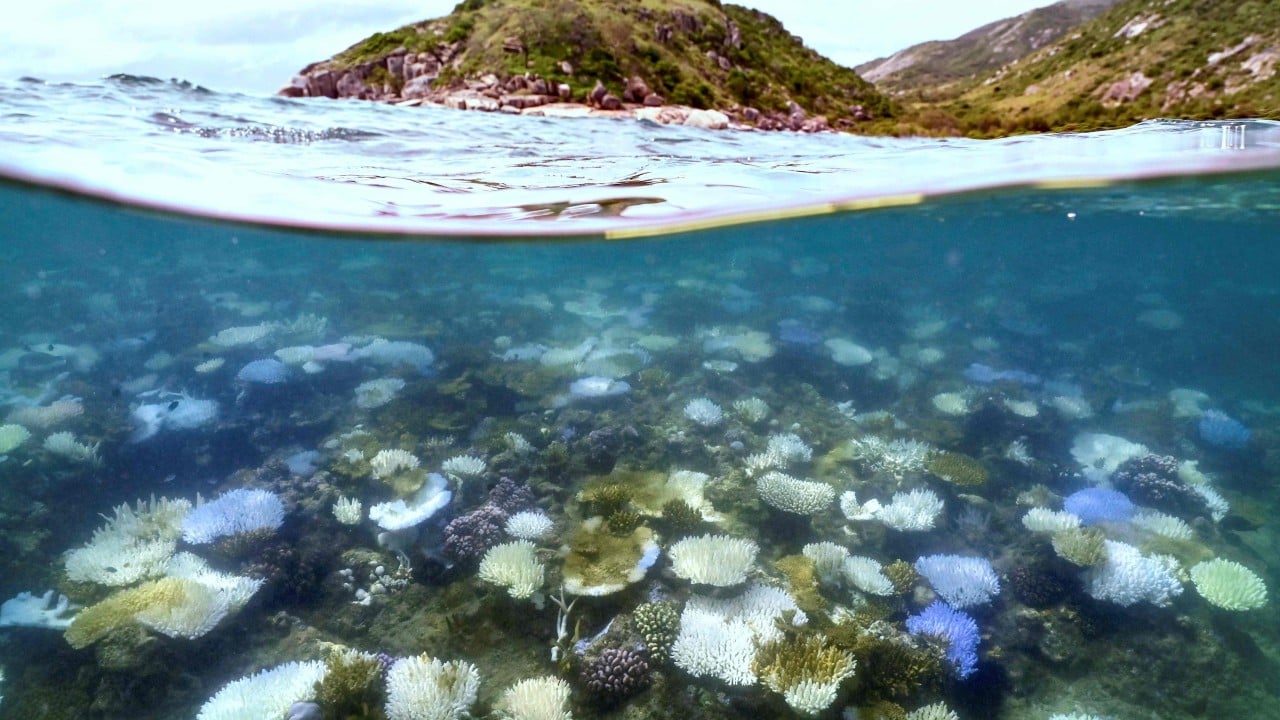
Australia’s Great Barrier Reef, a major tourism drawcard, has avoided being listed as endangered despite the United Nations reporting “utmost concern” about mass coral bleaching and the impact of climate change.
Canberra welcomed on Saturday the draft decision by Unesco to maintain the World Heritage status of the 2,300km-long (1,426-mile) reef stretching along the coast of Queensland state.
Unesco has been monitoring the reef annually since 2021, when it warned it was at risk of being placed on the list of World Heritage items “in danger”.
The UN’s heritage body said in its draft report, released in Paris on Friday, that Australia was working towards addressing concerns over climate change, water quality, sustainable fisheries management and land clearing.
Hard coral cover across the reef declined substantially in 2024-2025, with above-average water temperatures causing the reef’s sixth mass coral bleaching event since 2016.
Extreme weather, land-based run-off, coastal development and predation by the Crown of Thorns starfish were also placing the reef under pressure.
“Whilst the resilience of the reef remains evident, its capacity to tolerate and recover from such events is increasingly compromised, and this is of utmost concern,” Unesco said.
Don't Miss:
-
Drug Trafficking, U.S. Banks, and the Economic Reality Under Trump
-
Ivan’s Mob Beheads A Los Mayos Member
-
Ex-OFAC Official: The Cartel Risk Companies Can’t See | The InSight Take
-
Why Ecuador Is Losing Its Fight Against Organized Crime
-
‘El Cromo’ Arrested in Guadalajara; He Is Linked to a Group Affiliated with the CJNG