
 The Taliban’s New War Begins at Home
  Panama removed from EU’s tax haven ‘blacklist’ a decade after the Panama Papers
  Crackdown and Controversy: The Battle Over Beach Bars and Noise in Phuket’s Bang Tao
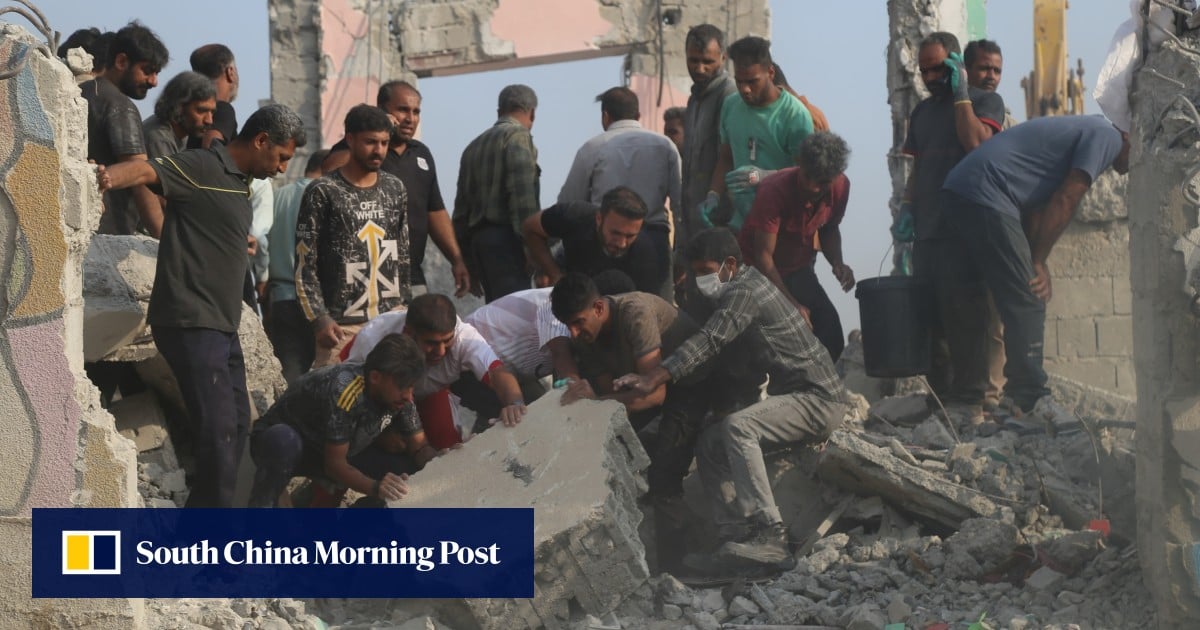
It was the deadliest reported strike in the US-Israeli war against Iran, and most of the victims were children. Yet over four months since a US missile struck an Iranian primary school, there is no final accounting of what happened.
The Trump administration has not directly accepted the blame, though the military possessed evidence almost immediately that the site had been struck, a US official with knowledge of the situation told Associated Press.
Drawing from interviews with US officials, human rights workers and Iranians in direct contact with rescuers and families of victims, AP reconstructed the strike and its aftermath to reveal new details of what happened. Most requested anonymity for fear of retribution against them and their sources.
Skies over the city of Minab were clear the morning of Saturday, February 28. Students jostled into the Shajareh Tayyebeh school, one of many across Iran established for children of families tied to Iran’s paramilitary Revolutionary Guard or other state institutions, said Shiva Amelirad, the international representative for an Iranian teachers’ union who taught in Iran for 18 years and has been in contact with people in Minab.
Though most schools in Iran operate within guidelines proscribed by the Islamic Republic, the Shajareh Tayyebeh schools were more explicitly oriented towards reproducing and reinforcing the Guard’s world view, she said, adding: “Regardless of the students’ family backgrounds, children are civilians and any attack targeting a school is unequivocally condemnable”.
Don't Miss:
-
Drug Trafficking, U.S. Banks, and the Economic Reality Under Trump
-
Ivan’s Mob Beheads A Los Mayos Member
-
Ex-OFAC Official: The Cartel Risk Companies Can’t See | The InSight Take
-
Why Ecuador Is Losing Its Fight Against Organized Crime
-
‘El Cromo’ Arrested in Guadalajara; He Is Linked to a Group Affiliated with the CJNG