
 The Taliban’s New War Begins at Home
  Panama removed from EU’s tax haven ‘blacklist’ a decade after the Panama Papers
  Crackdown and Controversy: The Battle Over Beach Bars and Noise in Phuket’s Bang Tao
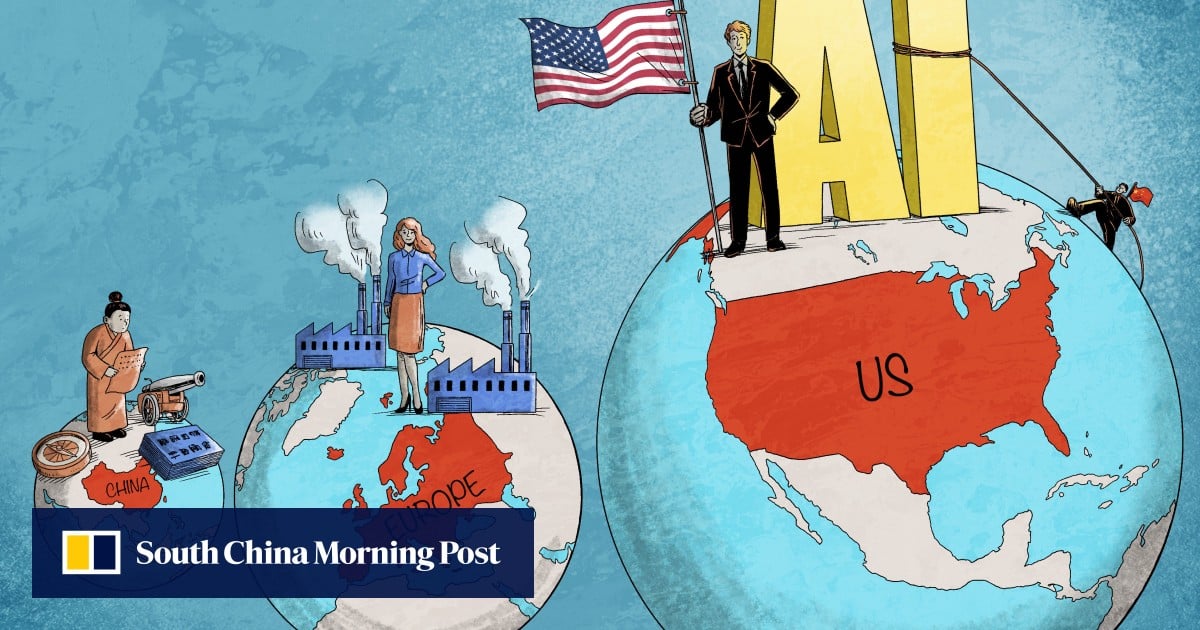
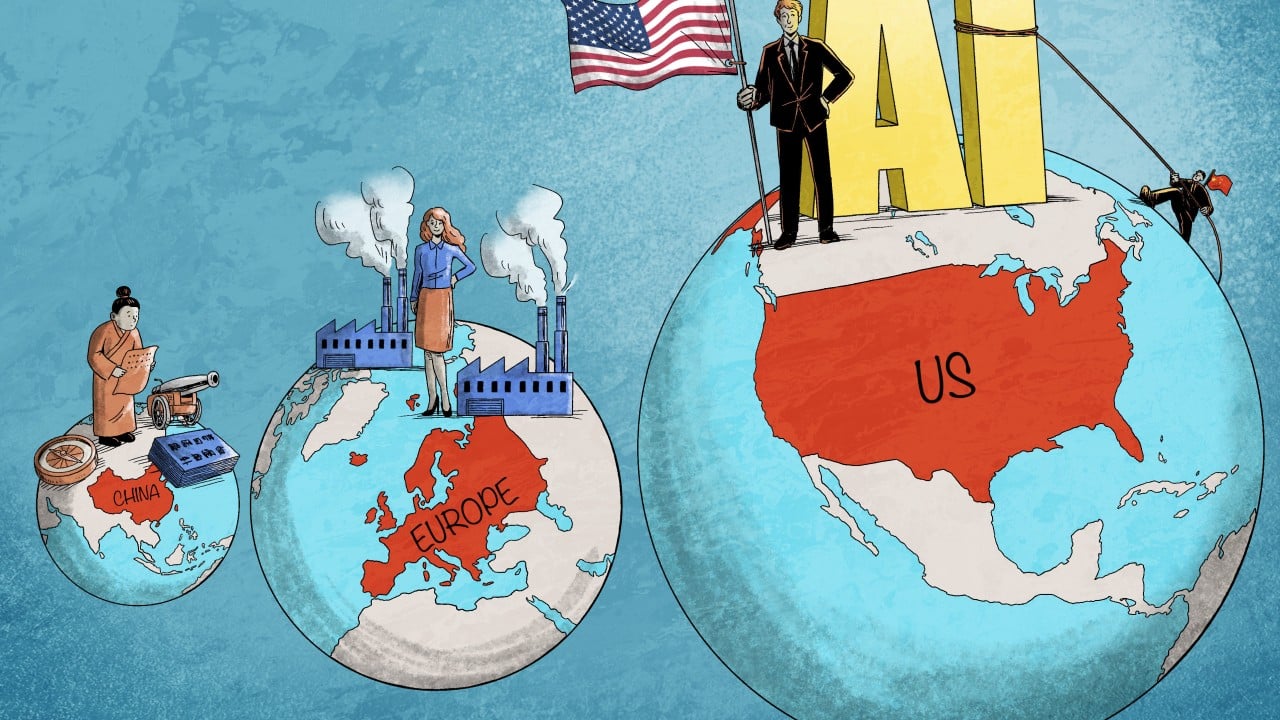
As the United States marks the 250th anniversary of its founding, it confronts a new world order dominated by its relationship with China. In this wide-ranging series, we examine the pressure points and possibilities in those ties, from hard tech to soft power. Here, Vincent Chow looks at how China challenges core American assumptions about innovation and technology, and the historical stakes of their competition in artificial intelligence.
In 1969, the renowned British sinologist Joseph Needham posed a series of questions about China so influential that they became known as the “Needham Question”.
At its core, Needham was trying to reconcile China’s past glories with what he saw in the China of the mid-20th century.
Namely, why did the 18th-century Industrial Revolution happen in Europe and not China, a country that had led the world in technological innovation up until the 15th century, and what were the reasons for technology and science in China stagnating for centuries thereafter?
Like Needham, Erik Baark – professor emeritus at the Hong Kong University of Science and Technology – also spent much of his decades-long career researching Chinese innovation and technology. But at a guest lecture at the Hong Kong Baptist University last month, Baark proposed a fundamentally different question – an inversion of the original.
“The central question is now this,” said Baark, author of Innovation and China’s Global Emergence. “Why is China now able to contribute to global science and innovation? More than that, why does there even seem to be an alternative dynamism in Chinese innovation?”
For decades, the West questioned China’s ability to innovate and to invent truly original technologies. China can only copy Western technology or be reliant on fat government subsidies, the critics claimed.
Don't Miss:
-
Drug Trafficking, U.S. Banks, and the Economic Reality Under Trump
-
Ivan’s Mob Beheads A Los Mayos Member
-
Ex-OFAC Official: The Cartel Risk Companies Can’t See | The InSight Take
-
Why Ecuador Is Losing Its Fight Against Organized Crime
-
‘El Cromo’ Arrested in Guadalajara; He Is Linked to a Group Affiliated with the CJNG