
 IMDB’s China Connection
  Trump administration gave firm with ties to ballroom donor the green light to do business with a sanctioned Russian bank
  Claire Sylvia on the Constitutionality of the False Claims Act
 But analysts say the scramble for Russian fuel also raises a bigger question for the region: whether Moscow can turn a short-term role as an emergency energy supplier into longer-term influence there.
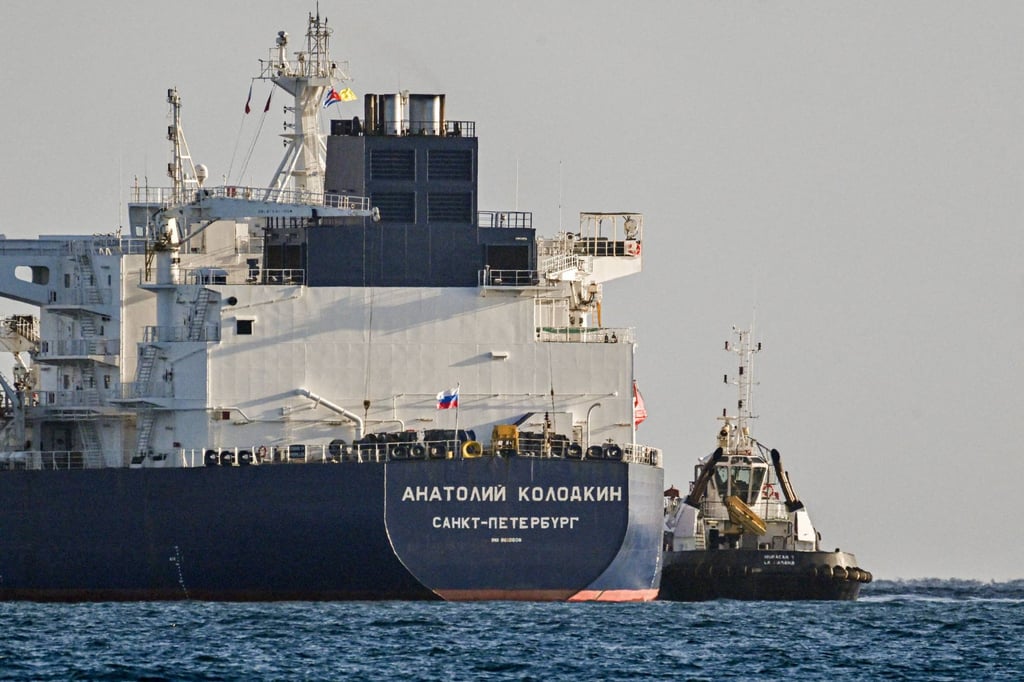
The move by Asean members – including Malaysia, Indonesia, Vietnam, the Philippines and Myanmar – to seek Russian oil could lead to the “reshaping of regional alliances to achieve supply chain resilience”, Chester Cabalza, founder and president of the Manila-based think tank International Development and Security Cooperation, said.
Advertisement
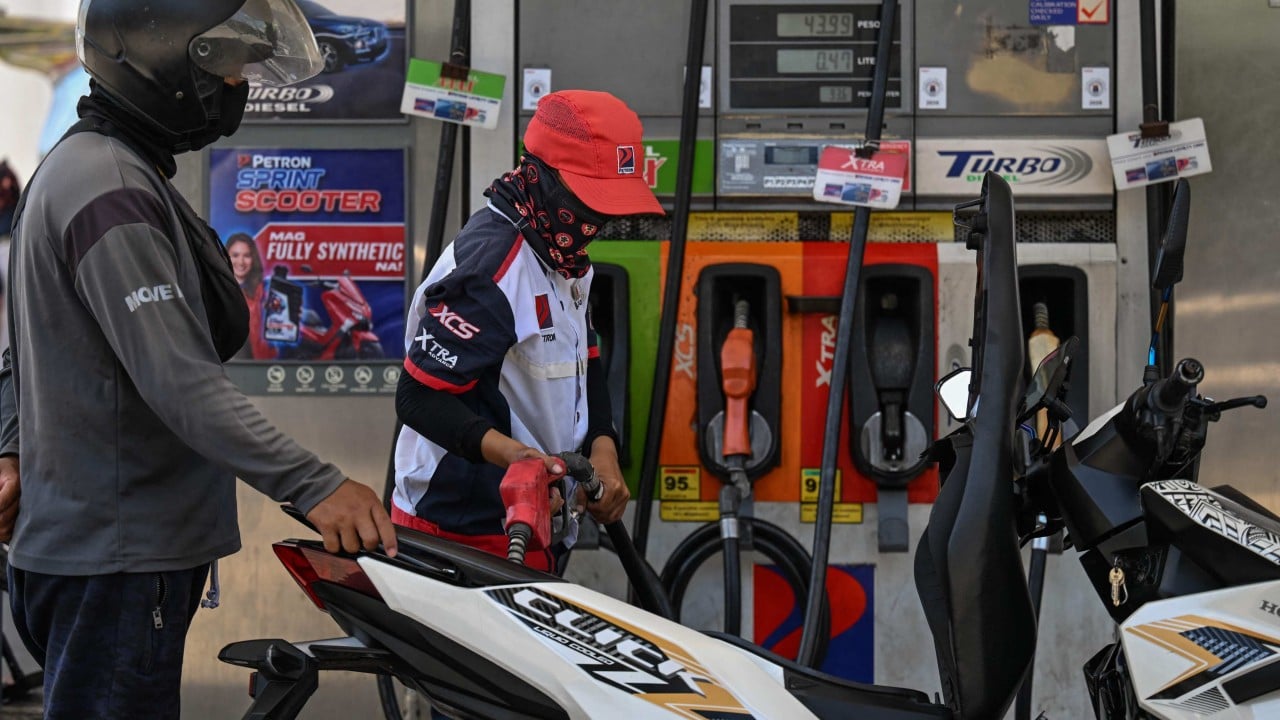
Cabalza said there was a high probability that Russia could use its role as an “energy lifeline” in the region as an opening to secure the “currency of influence” in Asean, with the closure of the Strait of Hormuz continuing to place pressure on a region dependent on imports from the Gulf for over half of its oil and gas needs.
Southeast Asia produces 2 million barrels of oil of its daily requirement of 5 million barrels, forcing it to import the remainder to meet its energy demands, according to the Carnegie Endowment for International Peace.
Advertisement
Meanwhile, data from the US Energy Information Administration showed that 84 per cent of crude oil and 83 per cent of liquefied natural gas passing through the Strait of Hormuz in 2024 was bound for Asia.
Don't Miss:
-
Japan begins clean-up after Typhoon Dujuan kills 4, batters east
-
Indefinite time in psychiatric ward for Hong Kong man who fatally stabbed 2 in mall
-
Who needs a degree? South Korea’s chip boom rewires university-obsessed culture
-
Cambodia hosts anti-scam summit as scepticism lingers
-
‘Do teachers not have families?’: kindergartens’ Mid-Autumn events draw backlash