
 IMDB’s China Connection
  Trump administration gave firm with ties to ballroom donor the green light to do business with a sanctioned Russian bank
  Claire Sylvia on the Constitutionality of the False Claims Act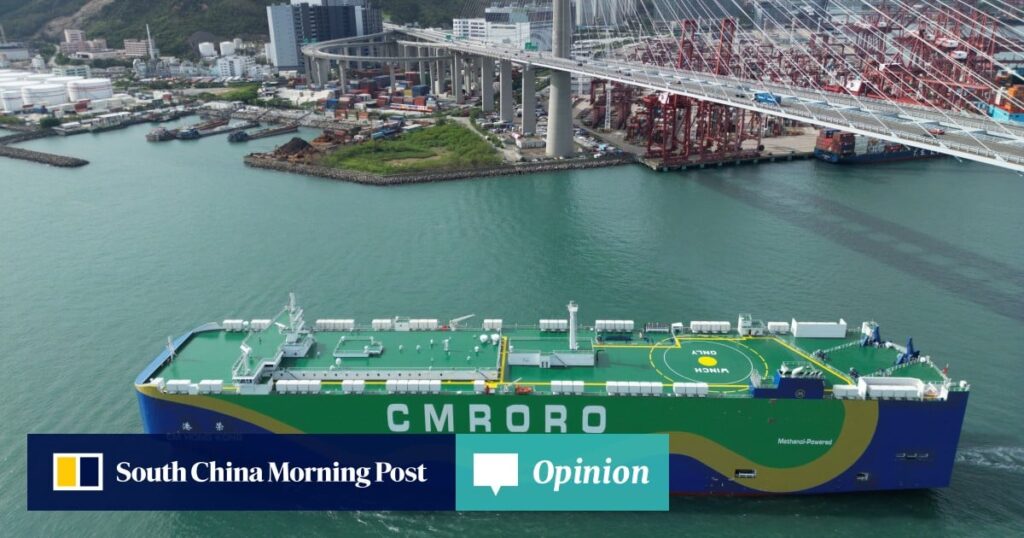
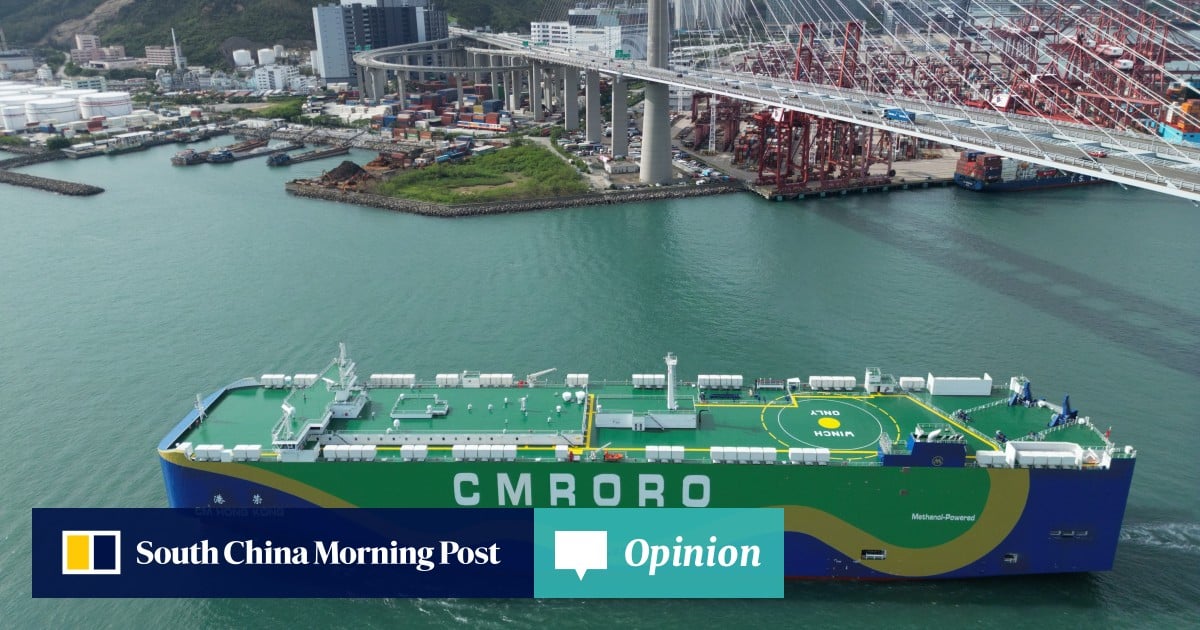
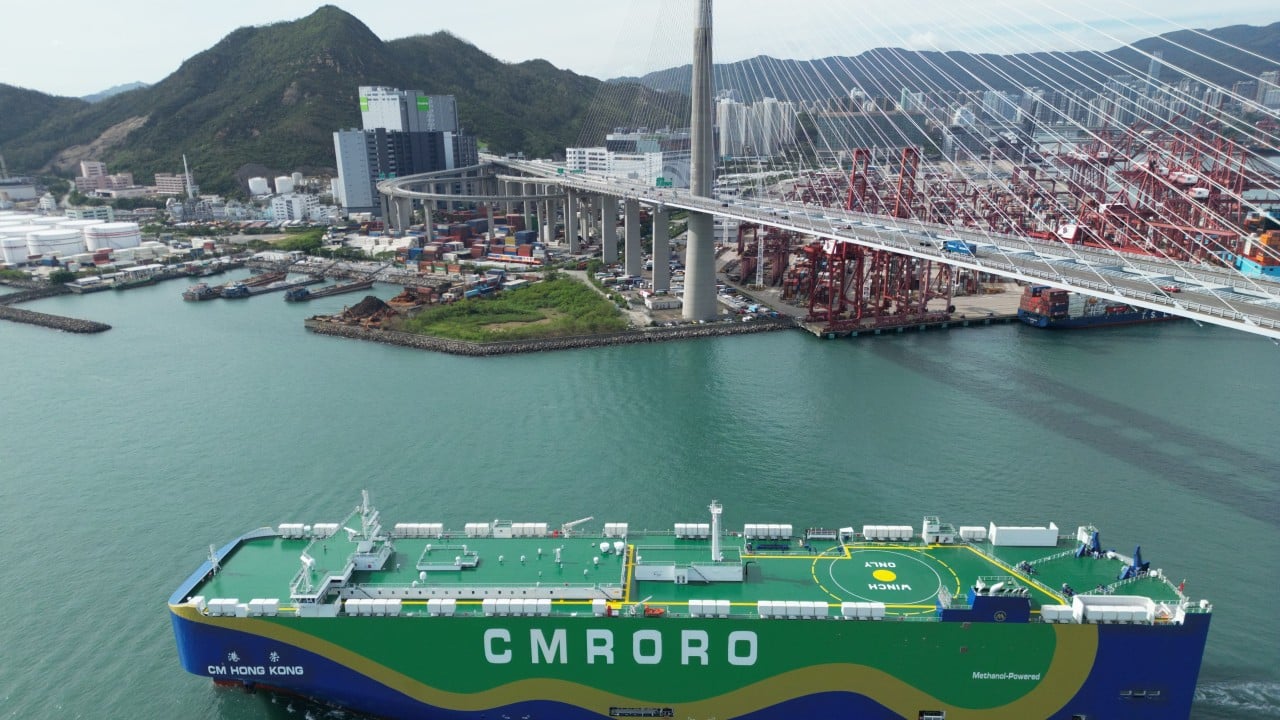
Last month, Hong Kong completed its first green methanol bunkering operation, a significant step in its efforts to support the decarbonisation of global shipping. As the maritime industry accelerates its transition towards cleaner fuels, this milestone signals Hong Kong’s intent to remain relevant.
For Hong Kong, the opportunity is timely. As the city recalibrates its economic model in a more complex global environment, the blue economy offers both a strategic anchor and a new growth frontier.
Advertisement
The numbers are compelling. The United Nations places the blue economy’s annual value at between US$3 trillion and US$6 trillion while the Organisation for Economic Cooperation and Development projects that by 2030, ocean-based industries could outgrow the global economy. These span traditional sectors such as shipping and fisheries, as well as emerging areas like offshore renewable energy, marine biotechnology and ocean data services.
Advertisement
Don't Miss:
-
Japan begins clean-up after Typhoon Dujuan kills 4, batters east
-
Indefinite time in psychiatric ward for Hong Kong man who fatally stabbed 2 in mall
-
Who needs a degree? South Korea’s chip boom rewires university-obsessed culture
-
Cambodia hosts anti-scam summit as scepticism lingers
-
‘Do teachers not have families?’: kindergartens’ Mid-Autumn events draw backlash