
 The Taliban’s New War Begins at Home
  Panama removed from EU’s tax haven ‘blacklist’ a decade after the Panama Papers
  Crackdown and Controversy: The Battle Over Beach Bars and Noise in Phuket’s Bang Tao
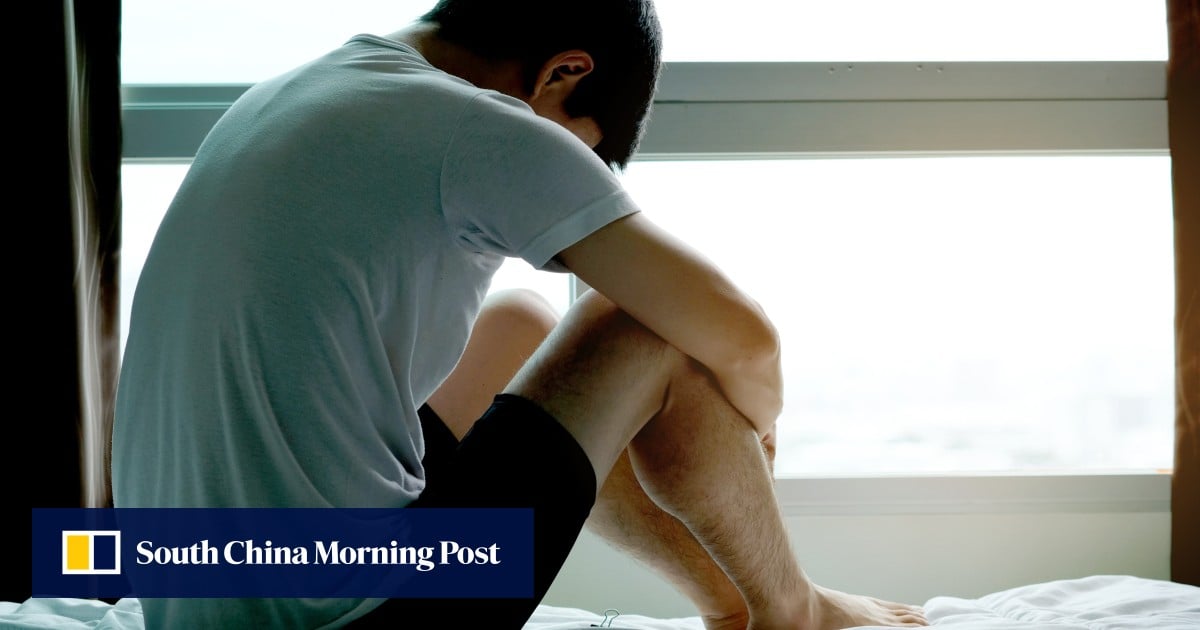
Children who had not shown any of the usual signs of intense difficulty at home or school were taking their own lives, according to Dr Lam Ching-choi, a member of the city’s key decision-making Executive Council and the chairman of the Advisory Committee on Mental Health.
“We have seen worrying cases of children who showed no stressors in their real lives – they came from middle-class families, performed well academically, were not bullied and had good relationships with classmates – yet still took their own lives.
“Why? This is often because they experienced the opposite in their digital world,” Lam said, pointing to the impact of social media where youngsters were exposed to harmful content and online bullying.
Lam called for prevention and support measures to be expanded to all young people, rather than targeting only those identified as high risk.
“We do not have children who are at zero risk of suicide today,” he said. “The pattern we see is that even children without these high-risk tags may commit suicide.”
Don't Miss:
-
Drug Trafficking, U.S. Banks, and the Economic Reality Under Trump
-
Ivan’s Mob Beheads A Los Mayos Member
-
Ex-OFAC Official: The Cartel Risk Companies Can’t See | The InSight Take
-
Why Ecuador Is Losing Its Fight Against Organized Crime
-
‘El Cromo’ Arrested in Guadalajara; He Is Linked to a Group Affiliated with the CJNG