
 The Taliban’s New War Begins at Home
  Panama removed from EU’s tax haven ‘blacklist’ a decade after the Panama Papers
  Crackdown and Controversy: The Battle Over Beach Bars and Noise in Phuket’s Bang Tao
 The intellectual network has been in disarray for much of the past decade, reflecting the current state of Indonesia’s broader liberal and progressive Islamic movement. The old guard, represented by the establishments within Nahdlatul Ulama (NU) and Muhammadiyah, faces elite co-option as they seek access to state resources while also grappling with ideological challenges from younger members aligned with progressive, leftist and environmentalist Islamic groups such as Islam Bergerak and Muhammadiyah’s Green Cadres (Kader Hijau Muhammadiyah).
This ideological split has made it difficult for former JIL figures – and Indonesia’s progressive Islamic movement overall – to not only advance the interests of the ummah (Muslim community), but also to effectively turn the tide against Islamic conservatism.
Scholars have attributed JIL’s decline to its “boundary-testing strategies”, its elitism and Indonesia’s broader “conservative turn”. Ideologically, while all JIL thinkers claim to support civil liberties in matters of religion, they share little else. Some are staunch libertarians and free-market advocates; others lean towards democratic socialism and could even be described as “liberal left”.
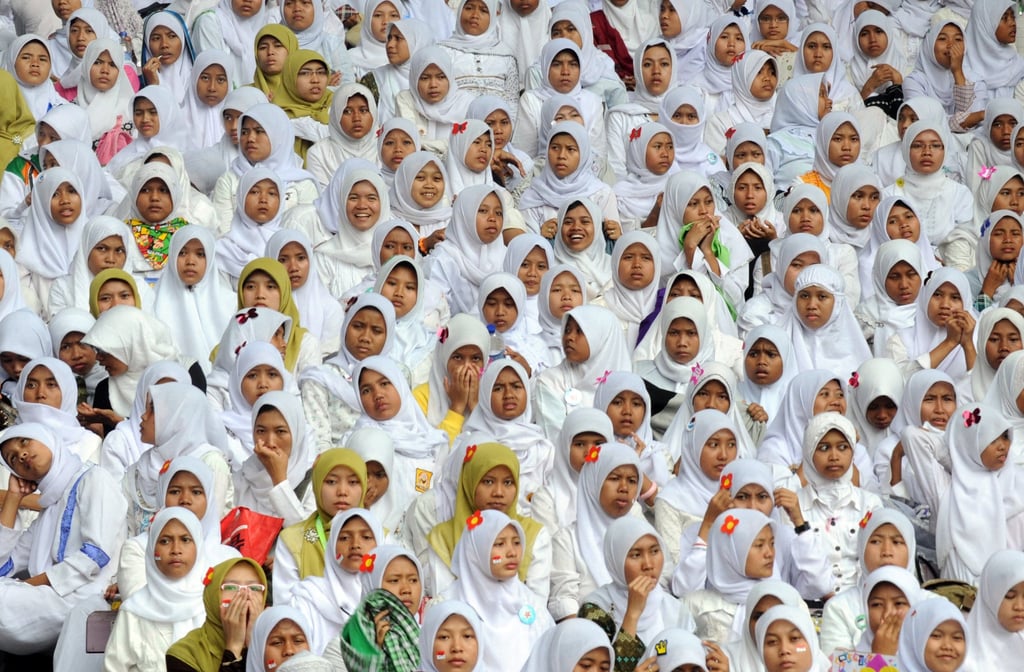
Though JIL no longer projects a coherent “liberal” identity, its individual members continue to shape Islamic discourse through their activism and respective platforms. Some former JIL figures host the liberal YouTube channel Cokro TV; others hold leadership or membership roles in organisations such as NU or the Indonesian Democratic Party of Struggle (PDI-P). Their prominence, however, has done little to revive institutional coherence. If anything, these ideological differences have hastened JIL’s slide into irrelevance within Indonesia’s liberal movement.
Differing stance
Don't Miss:
-
Drug Trafficking, U.S. Banks, and the Economic Reality Under Trump
-
Ivan’s Mob Beheads A Los Mayos Member
-
Ex-OFAC Official: The Cartel Risk Companies Can’t See | The InSight Take
-
Why Ecuador Is Losing Its Fight Against Organized Crime
-
‘El Cromo’ Arrested in Guadalajara; He Is Linked to a Group Affiliated with the CJNG