
 Rick Claypool on Pay to Play Corporate Crime Enforcement
  Labaton Launches Whistleblower Practice with Former SEC Acting Chair Allison Herren Lee
  Kremlin payment firm A7 has been pumping billions in ‘untraceable’ cash into global financial system
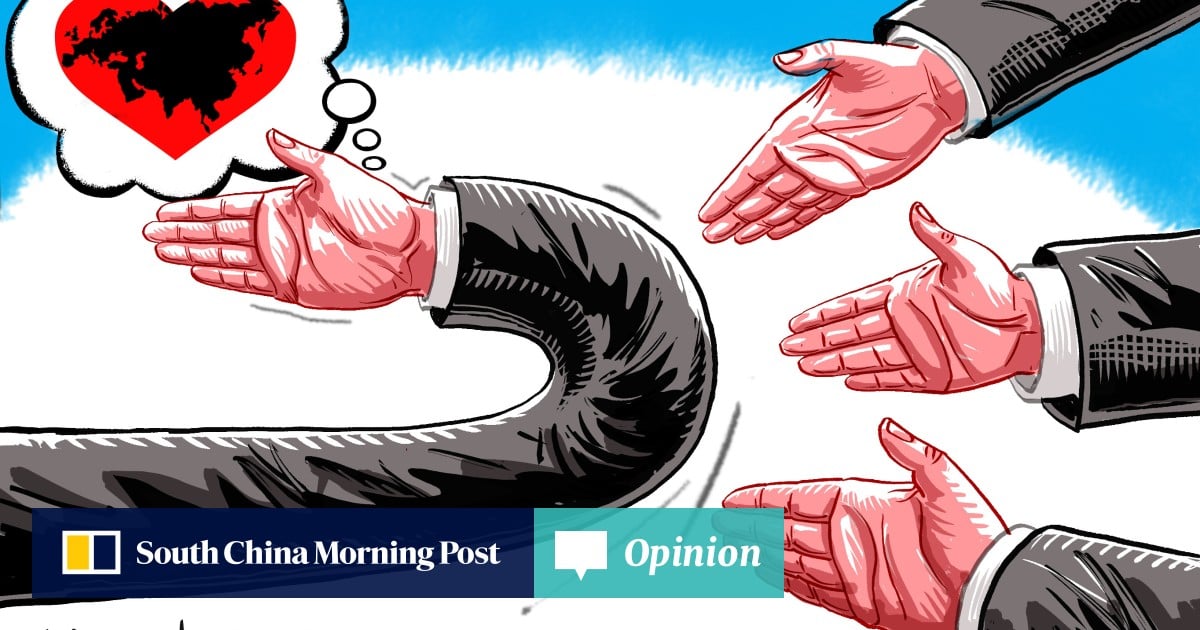
Geopolitics, at its core, examines how geography shapes international politics, power distribution and security dynamics. One enduring idea is geographer Halford Mackinder’s “heartland” theory, which situates Eurasia as the central arena of global power competition.
In 1904, Mackinder argued that the vast land mass of Europe and Asia – what he called the “world island” – contained a pivotal core, the “heartland”, rich in resources, population and strategic depth. His dictum – “Who rules Eastern Europe commands the Heartland/Who rules the Heartland commands the World Island/Who rules the World Island commands the world” – captures the essence of this geographical determinism.
Advertisement
But this strategic focus has been disrupted by the intensification of geopolitical density in Eurasia and US President Donald Trump’s global tariff war.
Advertisement
Don't Miss:
-
A Total of 13 Mass Graves Have Been Found in Viesca Containing the Charred Remains of Men and Women
-
Jorge Luis Zambrano, alias “Rasquiña”
-
El Taliban Fell In Mazatlán… And What He Confessed Ties Everything Together
-
Inside the Camp at the Heart of Honduras’ Garífuna Land Struggle
-
This Is How the MataZetas Captured and Executed the Zetas