
 Rick Claypool on Pay to Play Corporate Crime Enforcement
  Labaton Launches Whistleblower Practice with Former SEC Acting Chair Allison Herren Lee
  Kremlin payment firm A7 has been pumping billions in ‘untraceable’ cash into global financial system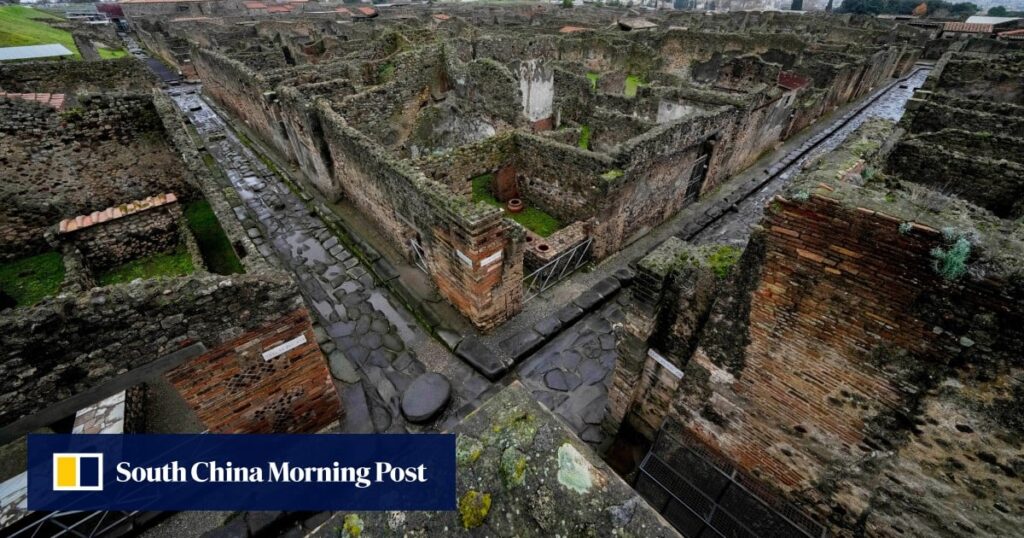
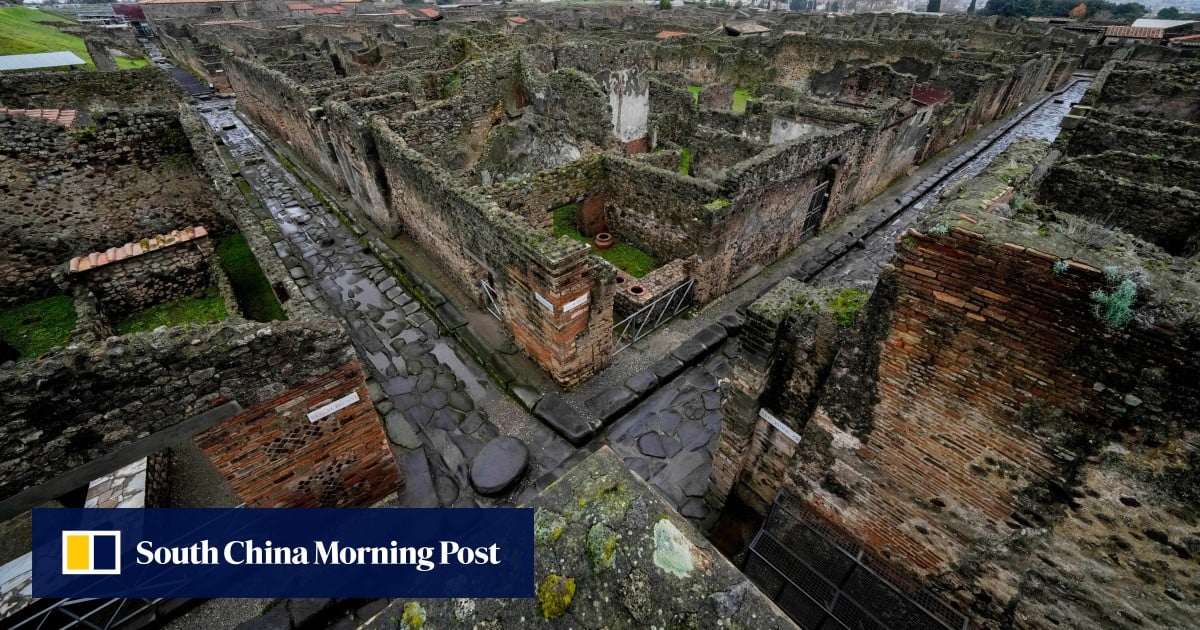
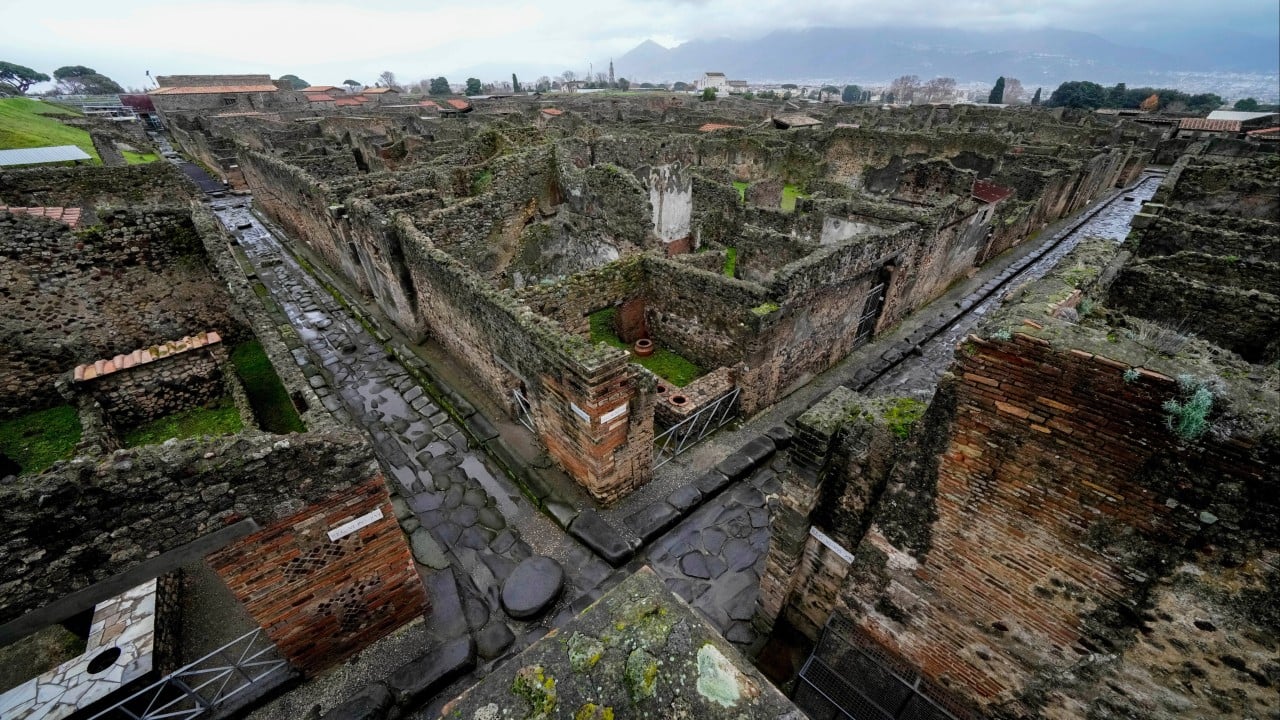
Archaeologists at the ancient Roman site of Pompeii have used artificial intelligence for the first time to digitally reconstruct the face of a victim of the AD 79 eruption of Mount Vesuvius that smothered the city, offering a new way to understand one of history’s most famous natural disasters.
The reconstruction was developed by the Pompeii Archaeological Park in collaboration with the University of Padua and is based on archaeological survey data from excavations near the Porta Stabia necropolis, just outside the walls of the ancient city.
Advertisement
Archaeologists found the victim holding a terracotta mortar, which they interpret as an improvised attempt to shield his head from falling lapilli, the small volcanic stones rained down during the eruption.
Advertisement
Ancient accounts – including those of Roman writer Pliny the Younger – describe residents using objects to protect themselves as ash and debris blanketed the city.
Don't Miss:
-
A Total of 13 Mass Graves Have Been Found in Viesca Containing the Charred Remains of Men and Women
-
Jorge Luis Zambrano, alias “Rasquiña”
-
El Taliban Fell In Mazatlán… And What He Confessed Ties Everything Together
-
Inside the Camp at the Heart of Honduras’ Garífuna Land Struggle
-
This Is How the MataZetas Captured and Executed the Zetas