
 The Taliban’s New War Begins at Home
  Panama removed from EU’s tax haven ‘blacklist’ a decade after the Panama Papers
  Crackdown and Controversy: The Battle Over Beach Bars and Noise in Phuket’s Bang Tao
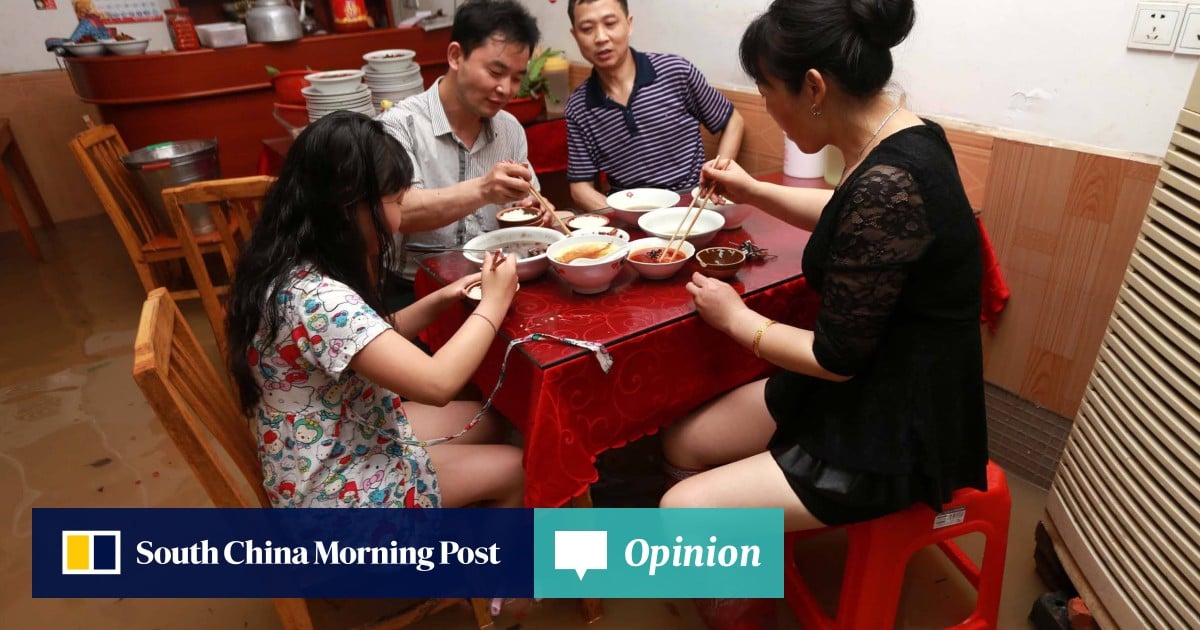
“What did your family talk about at the dinner table?”
Snug under the Tuscan sun, at a writing retreat on a permaculture farm outside Florence, I was ready to mine my fondest food memories. For a moment, scenes from films and television flashed across my mind: a montage of vivid dinner conversations and emotional check-ins, stitched together from various coming-of-age stories.
The only problem was that I could not claim any of those vignettes as my own. I squinted and dug deeper, into countless meals with my family. It seemed our focus never shifted far from the meal itself. We cared too much about the fundamental function of the meal – nutrition – to ask one another about our day.
“When eating, he did not converse. When in bed, he did not speak.” The Analects of Confucius, advising silence in aid of digestion and sleep, may well have anticipated our table manners. Although the Chinese philosopher was never directly quoted at home, the logic feels familiar.
Only later would I discover that traditional Chinese medicine (TCM) shares the same suspicion. In TCM, digestion depends on the yang vital energy of the spleen and stomach, a kind of metabolic warmth that can be dampened by excess liquid. The body is understood to be a delicate system whose balance should not be disturbed unnecessarily.

Don't Miss:
-
Drug Trafficking, U.S. Banks, and the Economic Reality Under Trump
-
Ivan’s Mob Beheads A Los Mayos Member
-
Ex-OFAC Official: The Cartel Risk Companies Can’t See | The InSight Take
-
Why Ecuador Is Losing Its Fight Against Organized Crime
-
‘El Cromo’ Arrested in Guadalajara; He Is Linked to a Group Affiliated with the CJNG