
 Donate to ICIJ
  Chelsea FC fined millions over secret payments under Abramovich ownership
  Nearly half of powerful .50-caliber ammo seized by Mexican government came from US Army plant, defense minister says
 The heat in Rosario, Argentina’s most homicidal city, is infernal. The concrete sidewalks sizzle like hotplates, threatening to scorch the skin of those who dare venture into the day’s heat. Few did on a recent February afternoon, except for a police officer guarding the black iron gates of police headquarters in Las Delicias, a neighborhood in the city’s south. It was there that police officer Oscar Váldez shot himself in the head a couple of weeks earlier.
Váldez’s suicide on February 2, 2026, came at a pivotal moment when the provincial government’s security model for Rosario was seemingly showing results and bringing down homicide rates, with the police playing a central role.
SEE ALSO: Can a Prison ‘Hell’ in Argentina Contain Rosario’s Narco Surge?
Beat cops like Váldez were pushed to their limits. His suicide sparked a police protest in early February that involved many officers like him who faced the same pressures – low wages, poor working conditions, and scarce mental health support. Rosario is one of Argentina’s biggest cities and its murder rate is twice the national average, with organized crime behind much of the bloodshed.
But what was behind Rosario’s homicide drop, and could police burnout undo the security improvements that have started to show?
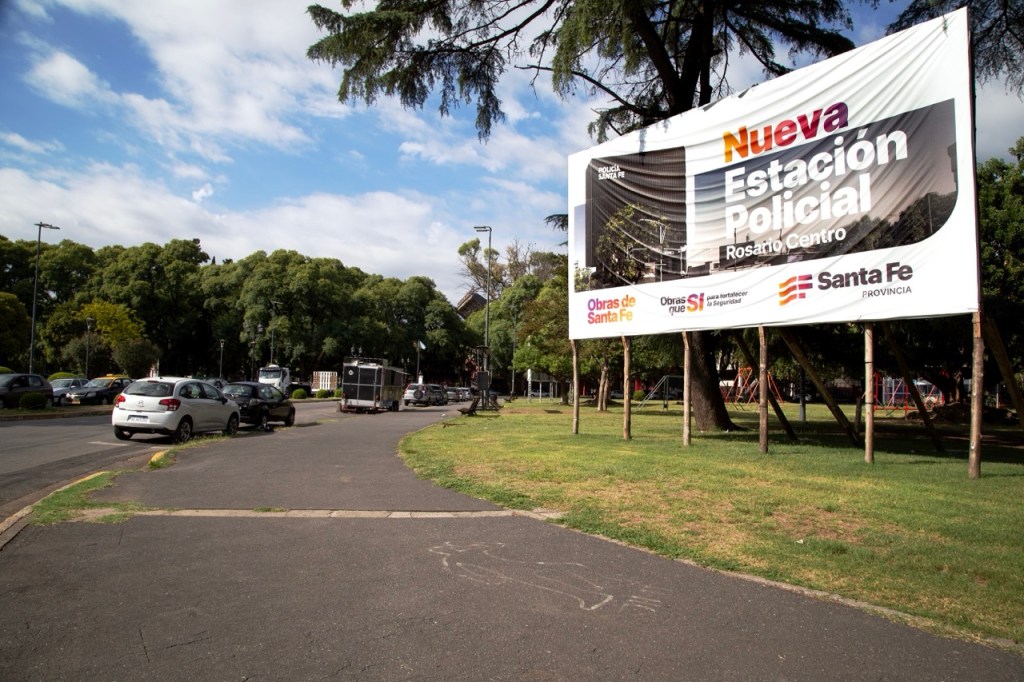
Rosario’s Violent Rise
A decade ago, Rosario was a peaceful city. But the abrupt rise of local drug-dealing gangs and the increase in lethal violence that came with them were met by a fragmented police force unprepared to confront the growing crisis.
At the end of 2023, after a historic peak in murders, the government of Santa Fe, where Rosario sits, introduced a narcotics law, which marked an inflection point for the city. It expanded police powers to go after small-scale drug peddling on the streets.
While the legislation was positive on paper due to how it helped curtail violence in the city, it didn’t upend certain longstanding practices. This included the informal arrangements that parts of the police force brokered with criminal groups, which allowed them to run their illegal businesses so long as the violence remained under control and out of the public eye.
“The problem is that when the illicit revenue isn’t distributed downward, conflicts begin. For it to work properly, it needs to be tied to a homogeneous and hierarchical police force with a clear and uniform chain of command,” Ariel Larroude, director of the Buenos Aires City Criminal Policy Observatory, told InSight Crime.
In the following two years, the province worked to improve matters, incorporating trusted retired officers back into the police force to rebuild the chain of command. But this system cracked with the outbreak of the so-called “fuel scandal,” a fraud case that broke in May 2025 and implicated several mid- and high-level officers in a scam of overcharging for fuel. The police officers involved were dismissed.
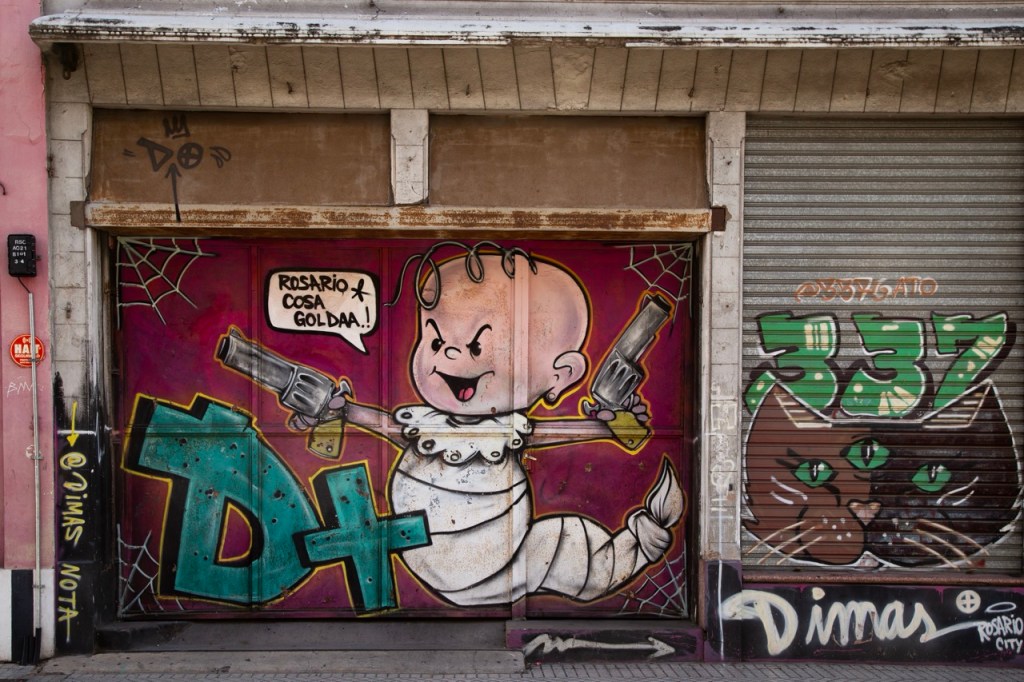
“The chain of command may have worked to manage crime, but not to manage the institution,” Enrique Font, criminologist and former Secretary of Community Security for the Santa Fe Ministry of Security, told InSight Crime.
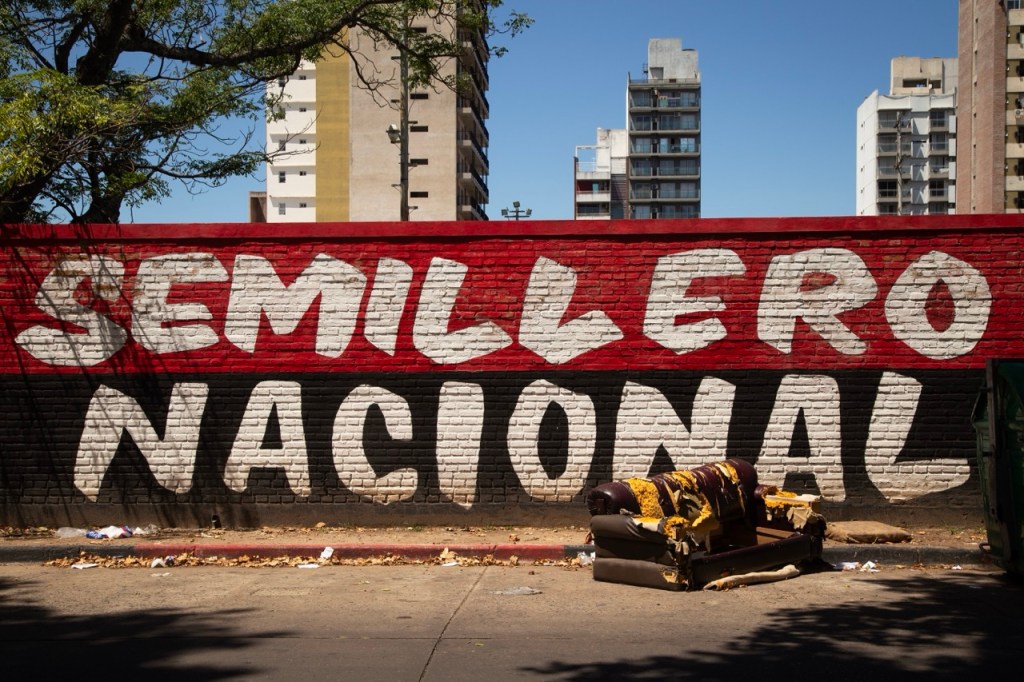
Pressure on Lower Ranks of the Force
In January 2026, beat officers were ordered to have a stronger presence on the streets. The government wanted to keep the homicide rate low after it had started to climb slightly again by the end of 2025.
Most police officers earned salaries below the poverty line (700,000 pesos per month, about US$500), with 12-hour shifts followed by 36 hours of rest. Some even worked up to 24 consecutive hours to accumulate more spare time and return to their homes, which were often more than 400 kilometers away.
Those officers balked, and that’s when the protests began. After Váldez took his own life, about 100 patrol cars gathered at the police headquarters in Las Delicias in protest, against the wishes of Santa Fe’s police chief.
SEE ALSO: Homicides Drop in Argentina’s Rosario, but Violence Persists on the Peripheries
The government ultimately increased the minimum wage for police and penitentiary staff, as well as improvements in working conditions, and the officers went back to work. For now.
However, this has not been enough. Discontent persists within the police force, which could exacerbate internal tensions in the future and jeopardize the progress made with the security model.


Don't Miss:
-
Mayito Flaco and Ivan Archivaldo Meet Up?
-
5 Models of Criminal Control Over Fentanyl Markets in Northern Mexico
-
How Fentanyl Was Introduced in Mexico’s Local Drug Markets
-
How Criminal Decisions Over the Drug Market Impact Public Health in Northern Mexico
-
CJNG Hitman Commander Killed in Shootout in El Alpuyequito, Colima