
 Canada revokes dozens of crypto firms’ registrations
  Questions swirl around US plans for record $15B Prince Group crypto seizure
  Donate to ICIJ
While at work, the 32-year-old Filipino balances her time between researching, writing and grading coursework, after which she heads to the university gym to exercise before heading home.
“My evenings are sacred. I don’t take home any work at all. All the work that I do is in the office,” Constantino said. In between work, she savours two-hour-long lunches followed by visits to a nearby library or local museums to view the free exhibits while juggling other commitments, such as part-time remote consultancy work.
Advertisement
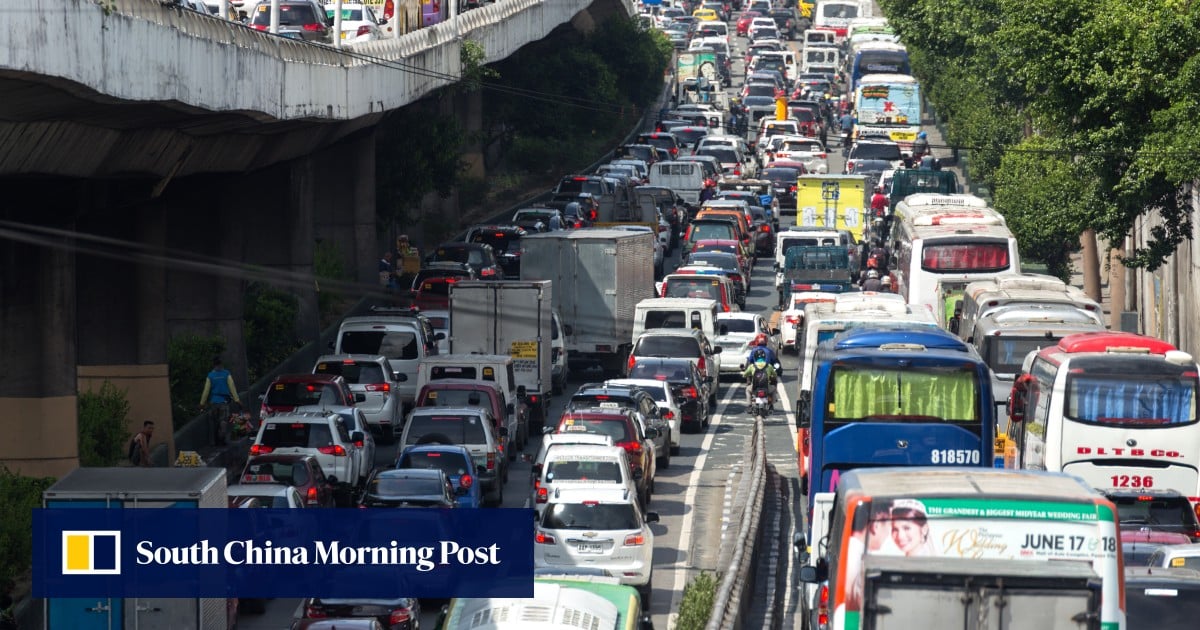
Constantino, who is on study leave from her role as an assistant professor at the University of the Philippines to pursue a doctoral degree and work in New Zealand, said her balanced life in Auckland contrasted with how she lived and worked back home.
Advertisement
In Auckland, going to work for her is a breeze. “Work is a 15-minute walk. You don’t have to deal with traffic. There are multiple transport options. It’s a walkable city. You don’t feel rushed,” Constantino, who conducts research on early childhood education policy in New Zealand, said.
Don't Miss:
-
Supreme Court justices lean towards Trump in asylum-processing case
-
Minnesota sues government for access to evidence in 3 shooting deaths by federal officers
-
Judge allows Brazil’s Bolsonaro to serve 27-year sentence at home due to ill health
-
Trump’s approval hits new 36% low as fuel prices surge amid Iran war, poll finds
-
Seven Electricians Released after Kidnapping in Matehuala, San Luis Potosí