
 New documents show how a retail chain’s sales practices helped put guns on US streets
  Singapore a battleground of commodities fraud lawsuits
  From Propagandist to Criminal
As China and the United States race to develop artificial intelligence (AI), geopolitical barriers are shaping how research, talent and capital flow across borders – or not – and how collaboration might emerge amid rising competition.
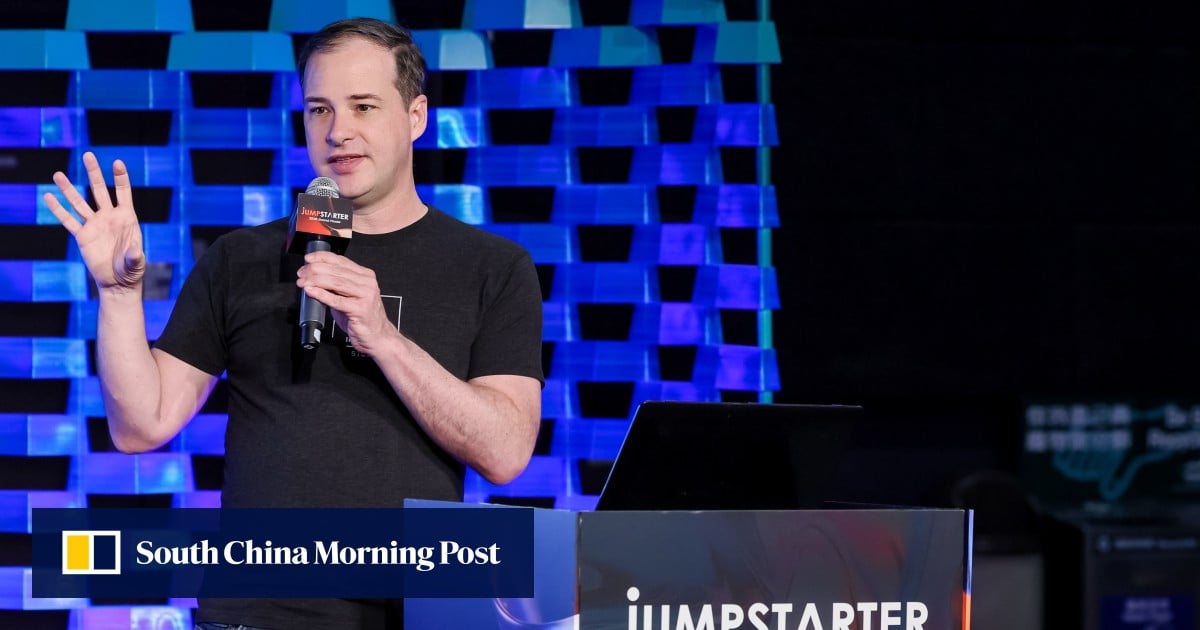
Speaking in Hong Kong this month, three-time Silicon Valley cybersecurity founder John Whaley painted a picture of an industry that is global yet fragmented, as high stakes push countries to protect sovereign capabilities and data.
When asked about the global AI landscape led by the US and China, Whaley described the two as “largely disjointed” ecosystems.
Advertisement
“There is not any real way where, for example, US enterprise companies will directly spend billions of dollars on something from Chinese companies or vice versa,” he said on the sidelines of Jumpstarter, a start-up display and networking event organised by the Alibaba Entrepreneurs Fund. Alibaba owns the South China Morning Post.
The US, Europe and China maintained their spheres of influence and did not necessarily “directly compete”, explained Whaley, whose Inception Studio organises intense retreats for select AI founders to workshop their business ideas and pitch to potential investors.
Advertisement
“On the commercial side, there are geopolitical barriers that prevent them from selling across,” he added. “Collaboration as well. It is not in both directions.”

Don't Miss:
-
Former American Idol singer Caleb Flynn sentenced to life in prison for wife’s murder
-
Bogota mayor presses Chinese-led consortium for more metro workers as auditors flag delays
-
ICC unseals arrest warrants for 4 Taliban leaders wanted on gender persecution charges
-
Quebec votes in provincial election as separatist surge poses test for Canada’s PM Carney
-
“Here, We Confront Drug Traffickers Daily… And The U.S.?”