
 New documents show how a retail chain’s sales practices helped put guns on US streets
  Singapore a battleground of commodities fraud lawsuits
  From Propagandist to Criminal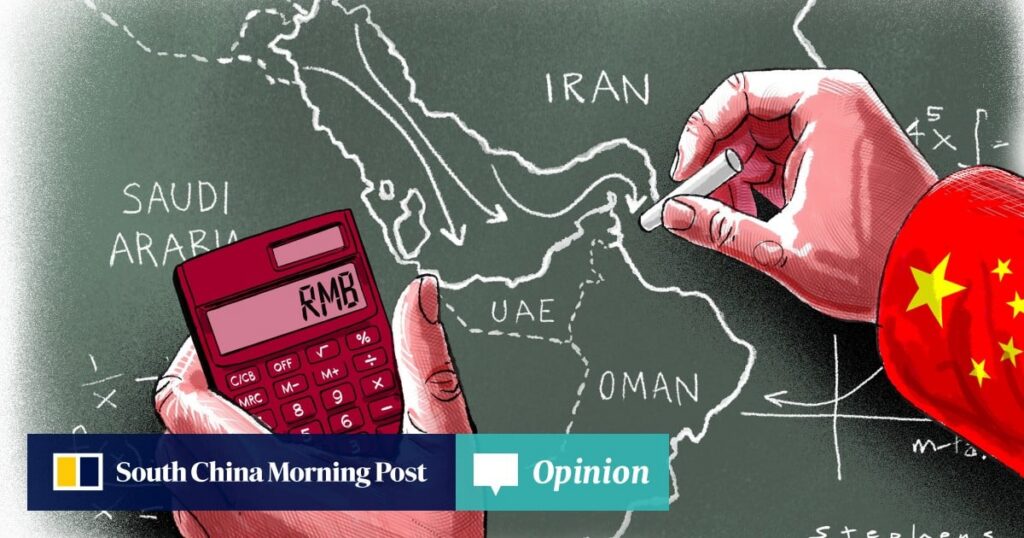
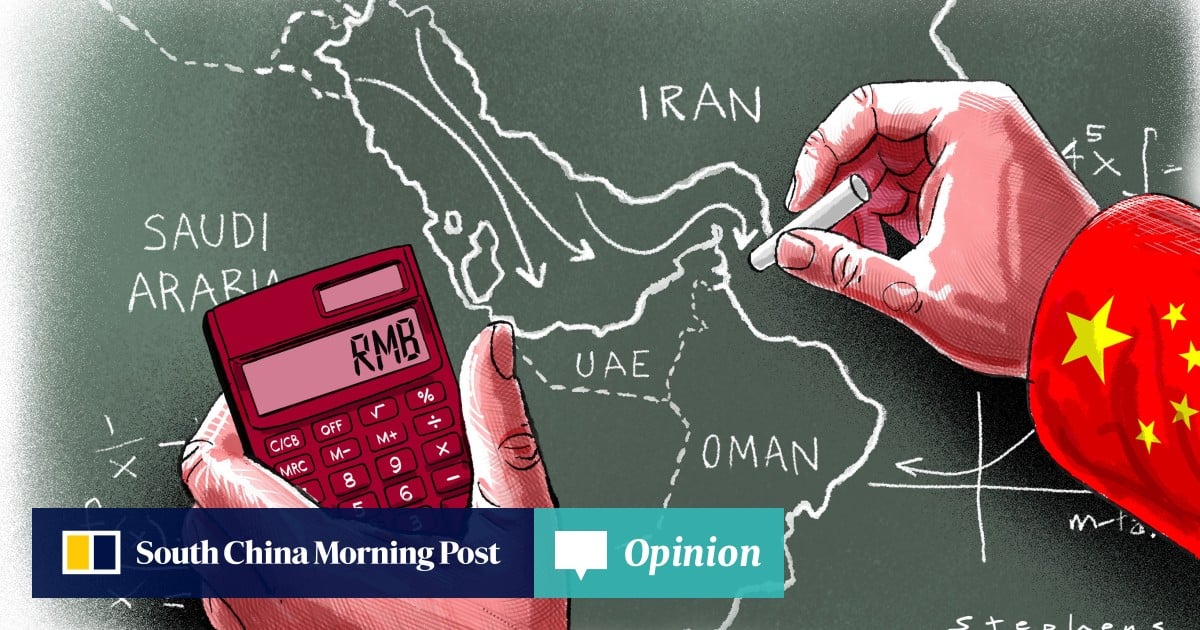
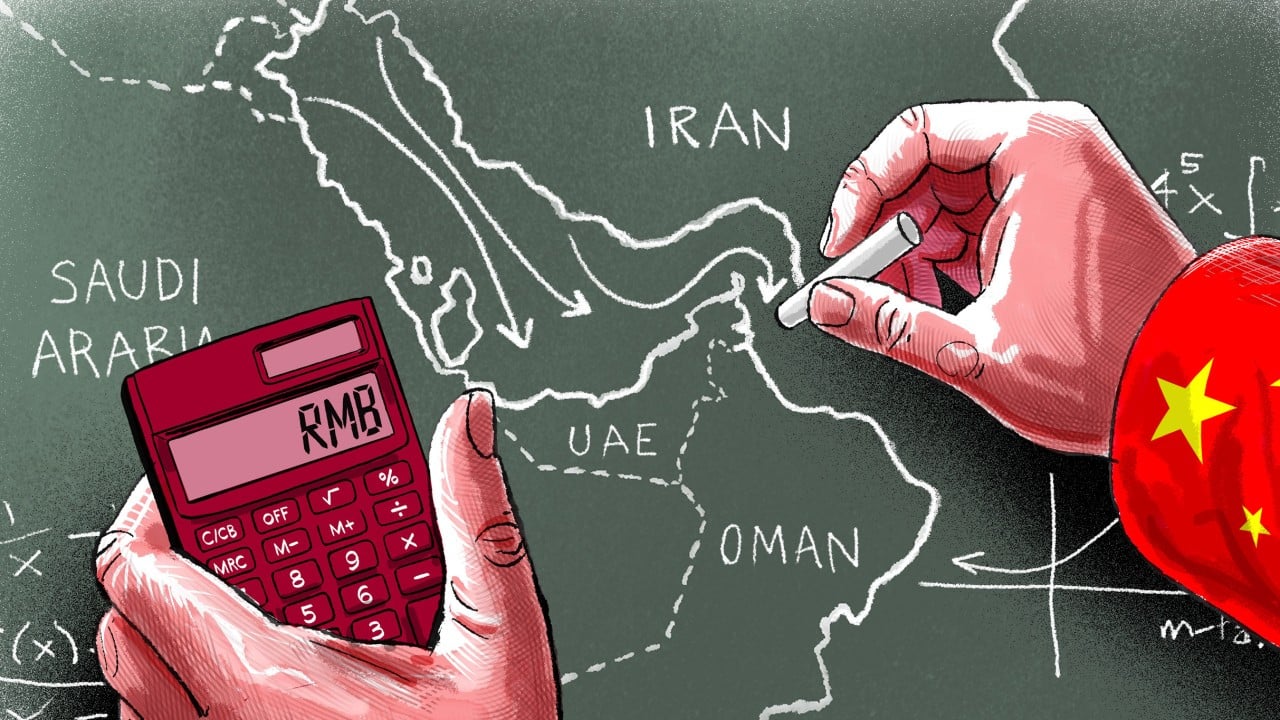
On the Gulf specifically, Wang stated that “the sovereignty, security and territorial integrity of Iran and all countries in the Gulf region should be respected and must not be violated”, a phrasing deliberately vague on whose territory should be respected. At a press conference on March 10, spokesperson Guo Jiakun declined to confirm whether Zhai Jun’s mediation would involve the US and Israel.
Advertisement
While it has criticised the US and Israel for initiating hostilities, Beijing avoids committing to either side. When it comes to Iranian reprisals on its neighbours, China has struck a meeker tone, stating that Gulf nations’ territorial integrity should be respected without specifying by whom, a formulation that reads as principled neutrality that functions as a deliberate refusal to assign responsibility.
Advertisement
The mediation effort follows a familiar template in which China dispatches an envoy, calls for dialogue and positions itself as the responsible alternative to US unilateralism. This fits into the same model China used to help broker the Saudi-Iran rapprochement, which Beijing facilitated after Oman and Iraq had done the preliminary work.
Don't Miss:
-
Former American Idol singer Caleb Flynn sentenced to life in prison for wife’s murder
-
Bogota mayor presses Chinese-led consortium for more metro workers as auditors flag delays
-
ICC unseals arrest warrants for 4 Taliban leaders wanted on gender persecution charges
-
Quebec votes in provincial election as separatist surge poses test for Canada’s PM Carney
-
“Here, We Confront Drug Traffickers Daily… And The U.S.?”