
 Ten years after the Panama Papers, enablers and tax cheats are still being brought to justice
  Behind the veil of secrecy: Ten years of the Panama Papers, part 2
  WATCH: The Panama Papers at 10 live panel event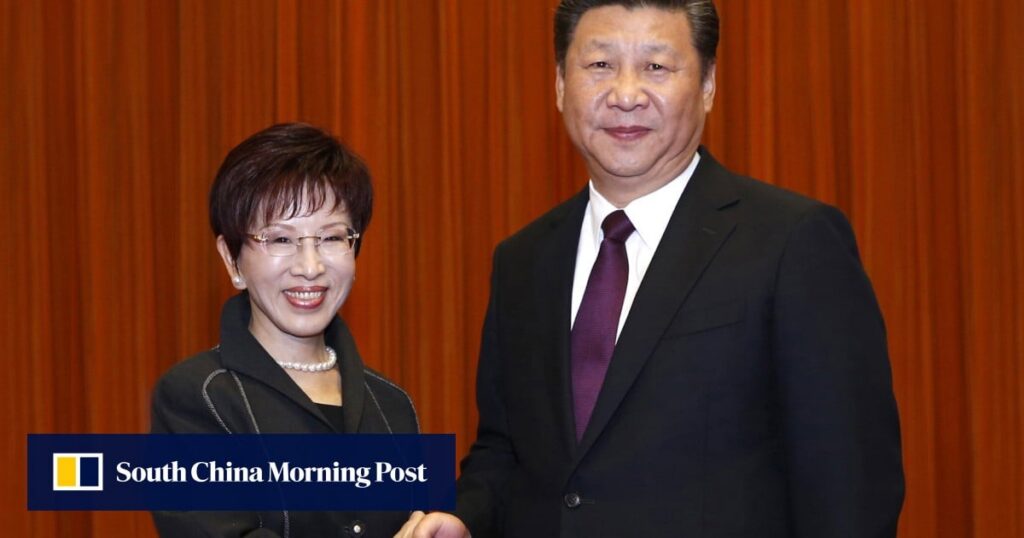
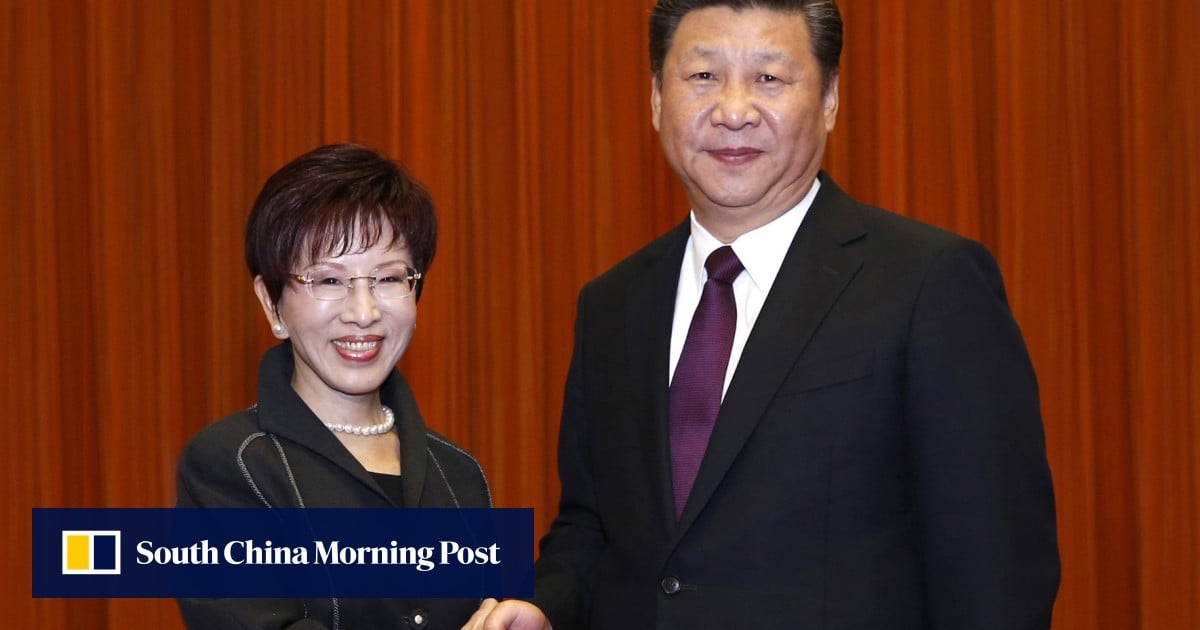
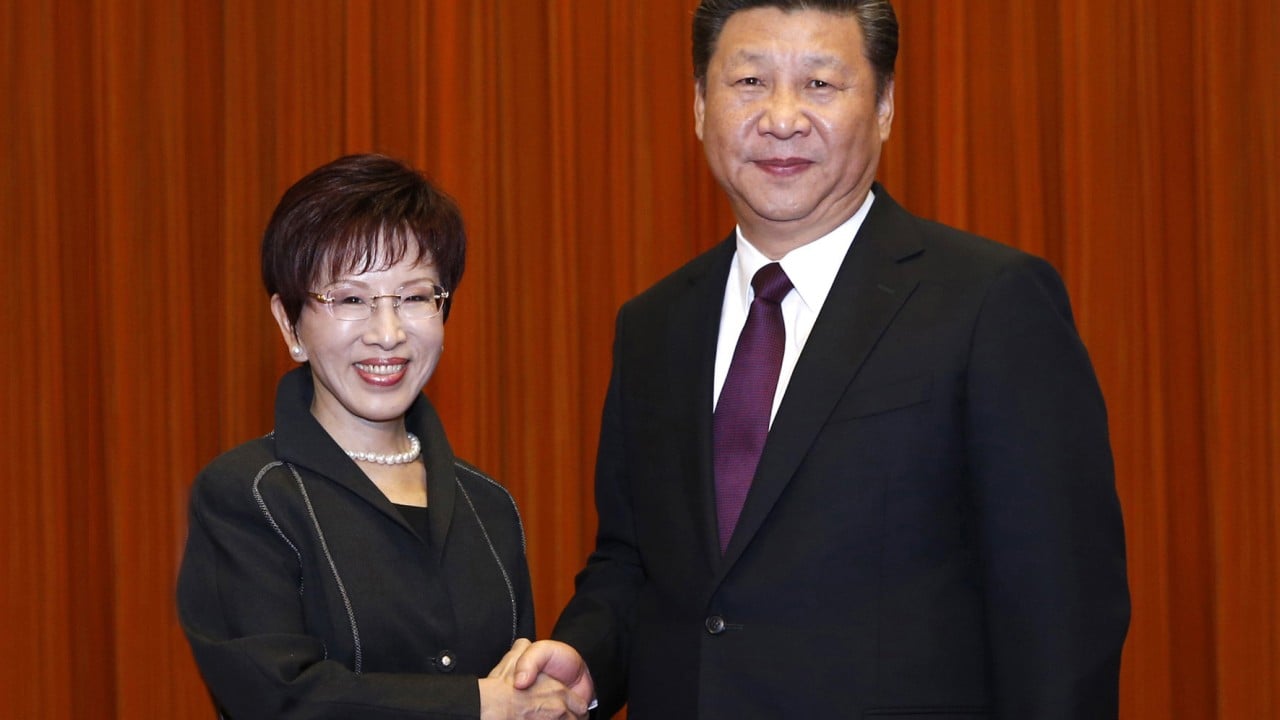
“The key to cross-strait relations lies not in radical confrontation, but in profound mutual trust,” Hung Hsiu-chu wrote on a popular mainland online platform on Thursday.
She also called for a return to the 1992 consensus, an unofficial agreement between Beijing and the then-ruling KMT in Taiwan. It states that there is only one China but the two sides may disagree on what that refers to. For Beijing, the consensus is the bedrock of relations across the Taiwan Strait.
Advertisement
Her social media post came days ahead of sitting KMT chairwoman Cheng Li-wun’s visit to mainland China at the invitation of Beijing.
In her post on Thursday, Hung said the prevailing cross-strait tensions stemmed from eroding political trust, pressure from great power rivalry and intensifying military stand-offs – likening it to a “state of cold peace.”
Advertisement
“Without institutional security arrangements, even the smallest friction could ignite a crisis,” she wrote. “Therefore, we need a politician who has vision and can shoulder responsibilities, in order to again find a long-lasting peaceful path for both sides.”
Don't Miss:
-
Pakistanis face up to 54% rise in fuel prices
-
China, Europe and why Beijing took a swing at Iran over the Strait of Hormuz
-
Tencent expands OpenClaw suite with enterprise tool amid China’s ‘lobster’ craze
-
Malaysia drops appeal on abducted activist’s case, family still seeks answers
-
Washington launches export initiative to ensure ‘future of AI is led by the United States’