
 The Taliban’s New War Begins at Home
  Panama removed from EU’s tax haven ‘blacklist’ a decade after the Panama Papers
  Crackdown and Controversy: The Battle Over Beach Bars and Noise in Phuket’s Bang Tao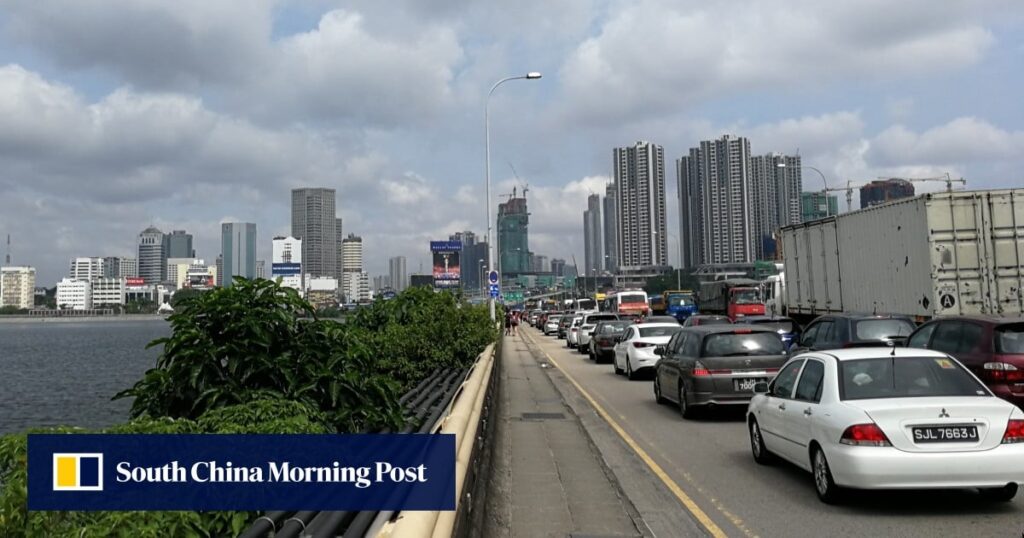
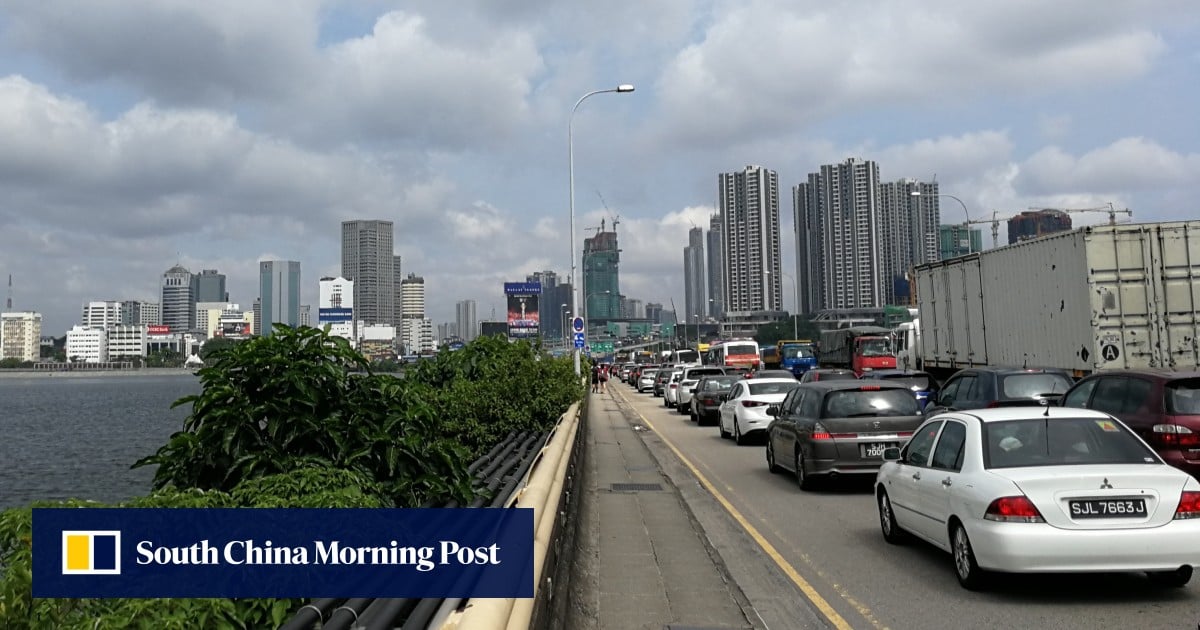
“We are not taking any chances. We have Plan A and Plan B ready to go. That is the directive I have given to the ministry,” Saifuddin said on Saturday, as reported by state-run news agency Bernama.
Between 100,000 and 200,000 Johoreans work in neighbouring Singapore, according to local media estimates from 2022. The causeway ranks among the world’s busiest land crossings, with an estimated 250,000 to 400,000 people using it on a typical day, the New Straits Times has reported.
There remains a possibility of disruptions
The focus on causeway traffic comes as Malaysia transitions to a new immigration system designed to improve reliability and handle higher passenger volumes at its border checkpoints.
“We are still using the existing system because the transition to the new system is ongoing,” Saifuddin said, as quoted by the Sinar Daily newspaper. “There remains a possibility of disruptions during the migration process. Our focus now is to ensure that any disruptions can be avoided on polling day.”
Don't Miss:
-
Drug Trafficking, U.S. Banks, and the Economic Reality Under Trump
-
Ivan’s Mob Beheads A Los Mayos Member
-
Ex-OFAC Official: The Cartel Risk Companies Can’t See | The InSight Take
-
Why Ecuador Is Losing Its Fight Against Organized Crime
-
‘El Cromo’ Arrested in Guadalajara; He Is Linked to a Group Affiliated with the CJNG