
 Rick Claypool on Pay to Play Corporate Crime Enforcement
  Labaton Launches Whistleblower Practice with Former SEC Acting Chair Allison Herren Lee
  Kremlin payment firm A7 has been pumping billions in ‘untraceable’ cash into global financial system
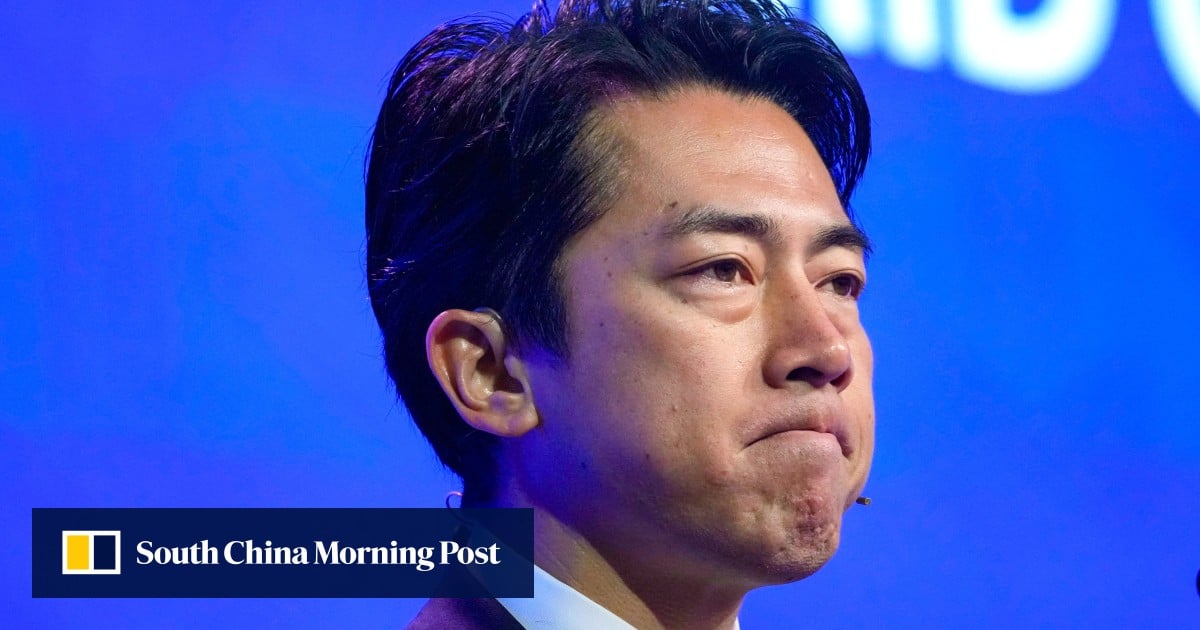
“Every country must be able to choose its future by its own will. And this region must remain open to all countries that respect our shared rules and principles,” Koizumi said.
He did not specify which country the comments were aimed at but tensions between China and Japan have been particularly high since late last year when Japanese Prime Minister Sanae Takaichi suggested in comments to parliament that a conflict in the Taiwan Strait could constitute a “survival-threatening” situation – sufficient grounds for Japanese military intervention.
Advertisement
Takaichi’s administration is also pushing for revisions to the country’s policy framework to allow for a more proactive military posture, a shift condemned by China as a revival of the militaristic ideology that drove Japanese aggression during World War II.
Advertisement
In an apparent reference to China on Sunday, Koizumi said Japan had neither nuclear weapons nor strategic bombers.
“There is a country that has a huge arsenal of nuclear weapons and strategic bombers. Japan has neither of such weapons. And yet Japan is labelled ‘new militarism’. Isn’t it strange?” Koizumi said.
Don't Miss:
-
A Total of 13 Mass Graves Have Been Found in Viesca Containing the Charred Remains of Men and Women
-
Jorge Luis Zambrano, alias “Rasquiña”
-
El Taliban Fell In Mazatlán… And What He Confessed Ties Everything Together
-
Inside the Camp at the Heart of Honduras’ Garífuna Land Struggle
-
This Is How the MataZetas Captured and Executed the Zetas