
 When Great Powers Talk, Who Speaks for Asia
  About the China Capital investigation
  Frequently asked questions about the China Capital investigation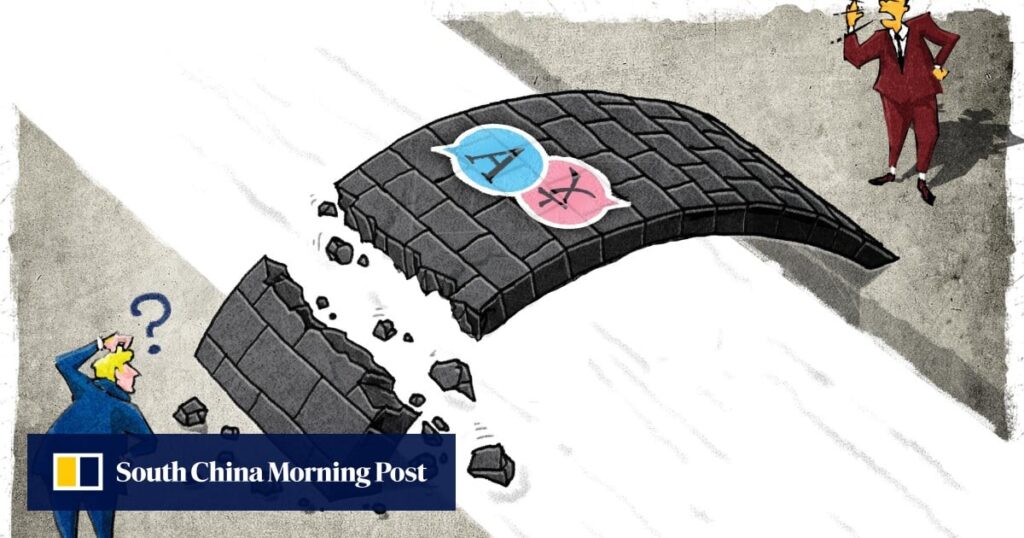
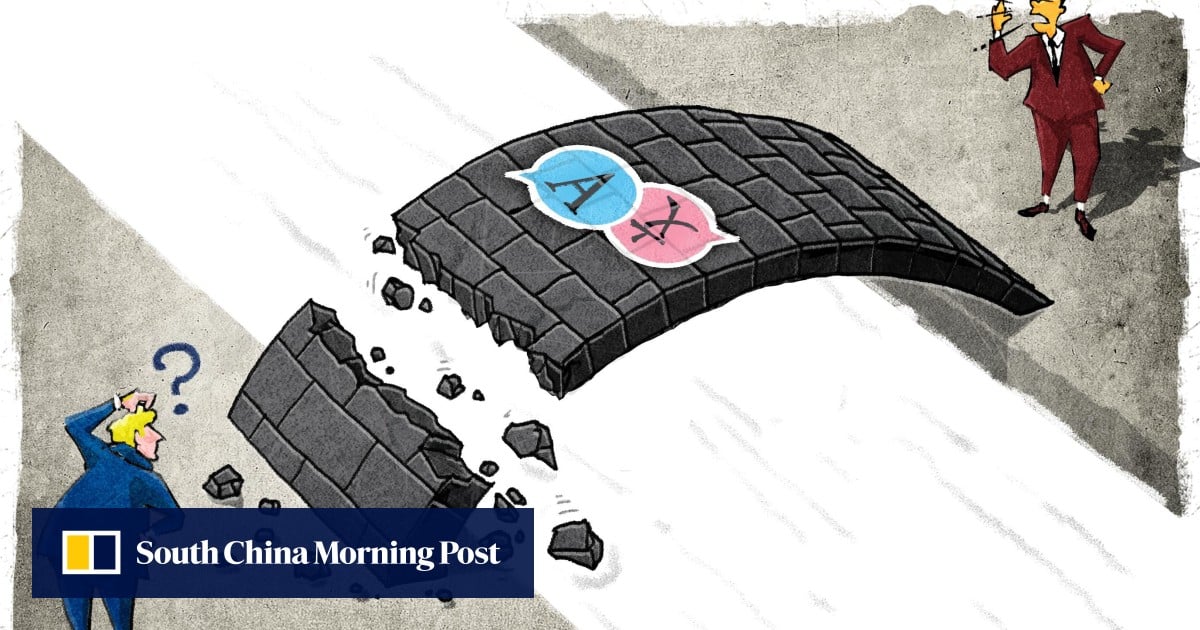
While the White House framed this vision as a “constructive relationship of strategic stability on the basis of fairness and reciprocity”, Beijing said only that it was a “constructive bilateral relationship of strategic stability”.
China watchers zoomed in on the phrase – especially the Chinese version – debating what it could reveal or conceal about Beijing’s long-term ambitions.
They put that down to funding cuts to language programmes in America as well as dwindling student exchanges and less interest in learning Chinese.
The result is a disjointed network of government programmes, think tanks and independent researchers seeking to translate and interpret China’s latest moves.
Analysts say that fragmentation could make it harder for Washington to understand its most critical bilateral relationship.
Don't Miss:
-
China urges ‘constructive dialogue’ with EU in high-level call with France
-
Hong Kong airport builds third runway with strategy to help marine environment thrive
-
Cambodia, Thailand take US$300 billion seabed dispute to UN
-
Hong Kong visitor arrivals hit post-pandemic monthly high in August
-
Indonesian finance minister found out about his firing in mid-meeting phone call