
 When Great Powers Talk, Who Speaks for Asia
  About the China Capital investigation
  Frequently asked questions about the China Capital investigation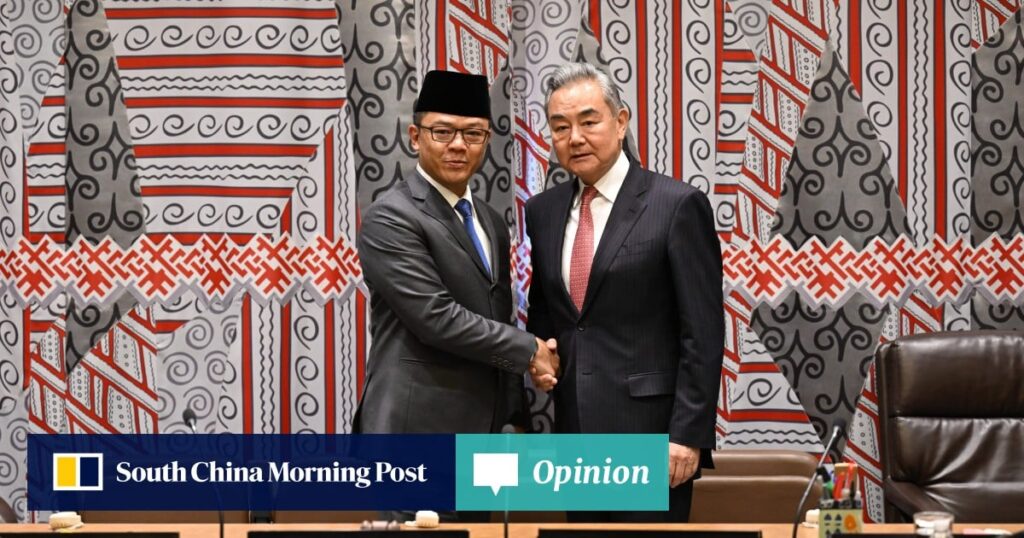
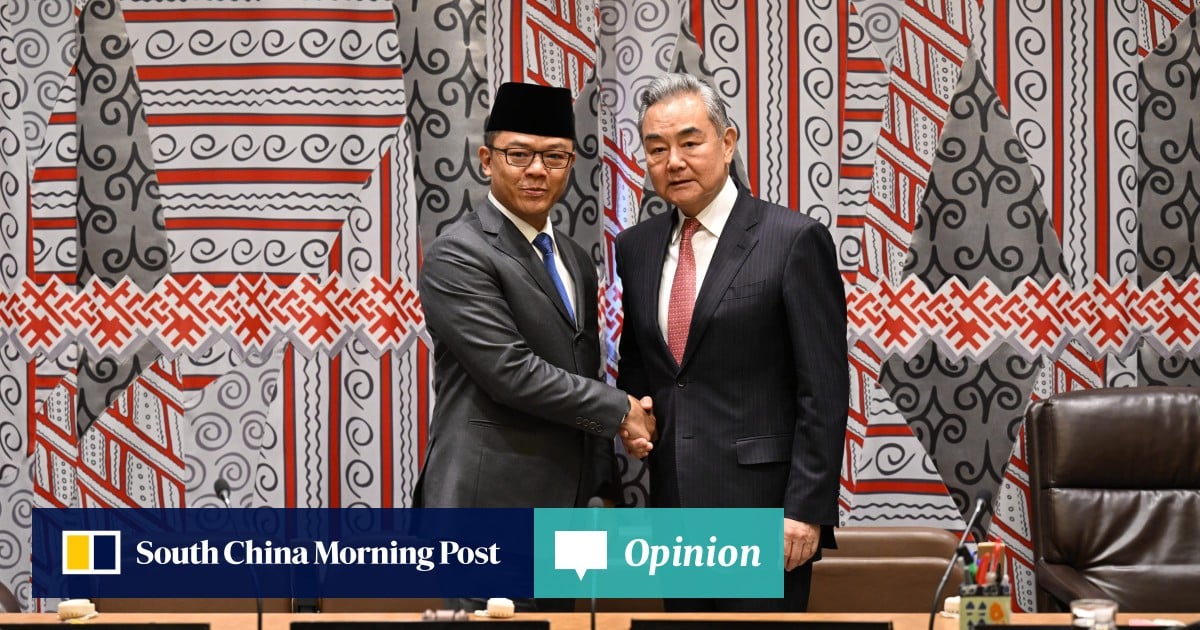
In April 1955, amid the Cold War, 304 representatives across 29 Asian and African nations convened in Bandung, Indonesia, to discuss the principles of a more complex future world order. Among them were India, China and host Indonesia.
Seven decades on from Bandung, China is the world’s second-largest economy while Indonesia is the largest economy in the Association of Southeast Asian Nations (Asean), which is China’s top trading partner. China is Indonesia’s largest trading partner, and it has ranked among Indonesia’s top three investors for the last five years.
Such remarkable growth in ties inevitably comes with undercurrents that must be taken seriously. Indonesia recorded a US$20.5 billion trade deficit with China last year, and some view the surge in high-quality and affordable Chinese imports as displacing domestic producers, especially in the textile and manufacturing sectors.
Don't Miss:
-
China urges ‘constructive dialogue’ with EU in high-level call with France
-
Hong Kong airport builds third runway with strategy to help marine environment thrive
-
Cambodia, Thailand take US$300 billion seabed dispute to UN
-
Hong Kong visitor arrivals hit post-pandemic monthly high in August
-
Indonesian finance minister found out about his firing in mid-meeting phone call