
 From Iran to China: An Emerging Trans-Central Asian Corridor
  New documents show how a retail chain’s sales practices helped put guns on US streets
  Singapore a battleground of commodities fraud lawsuits
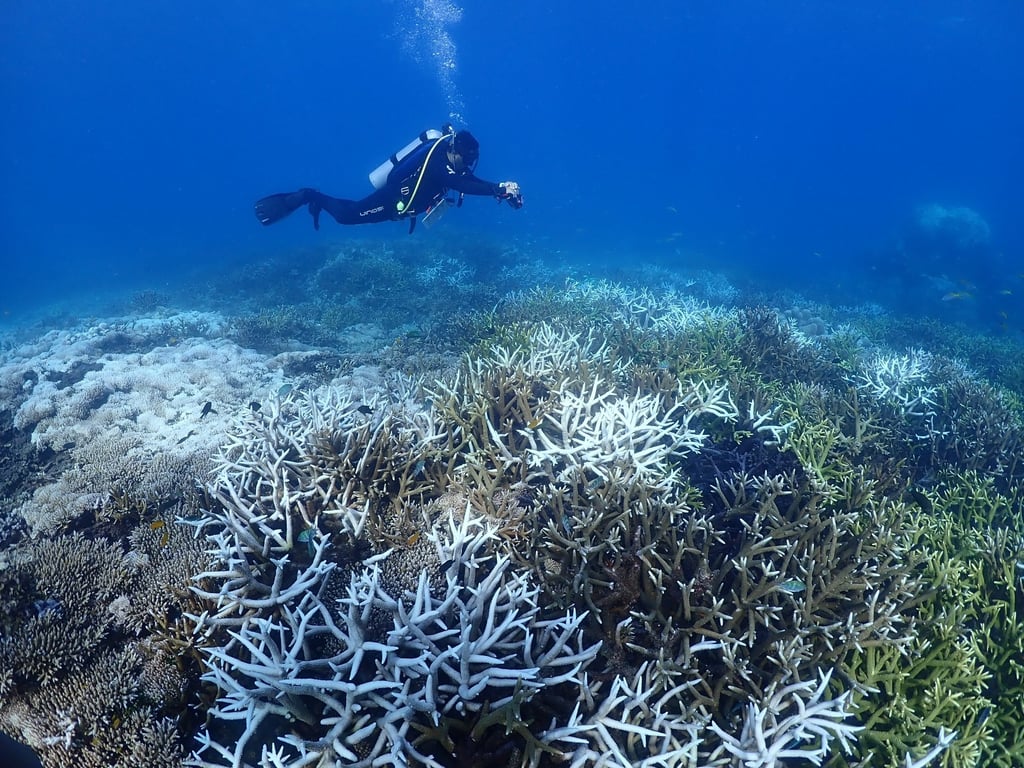
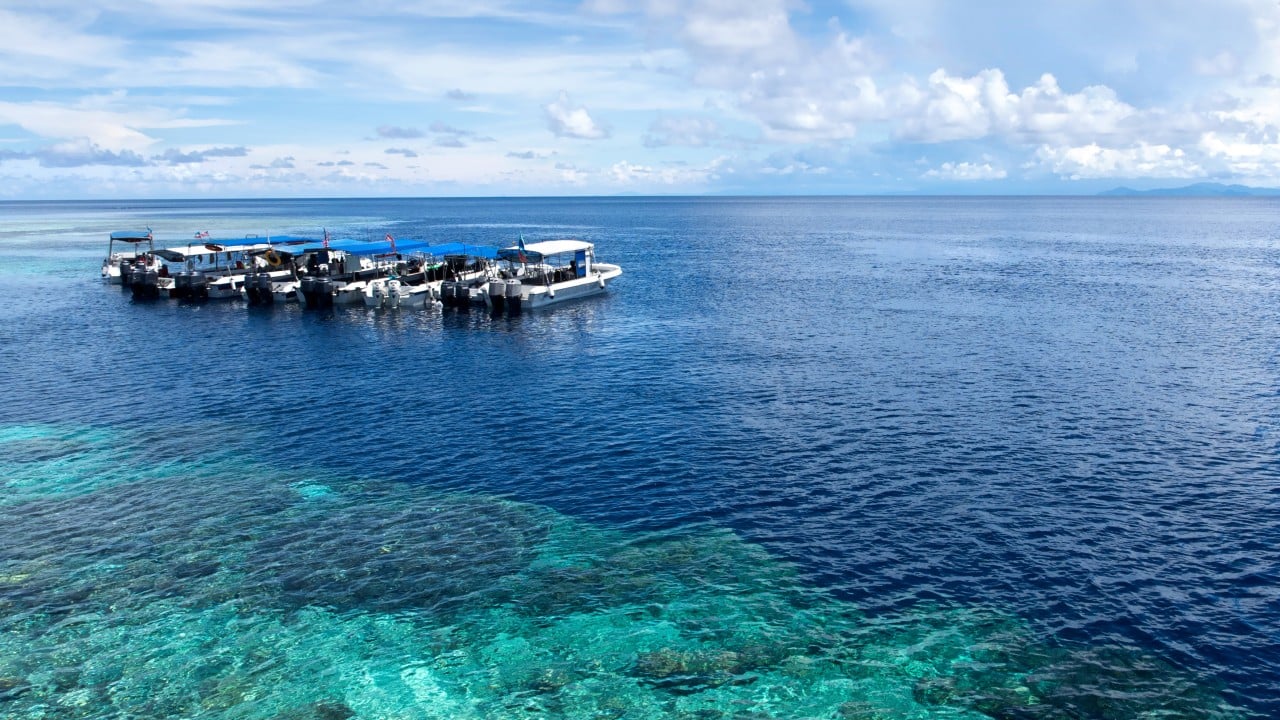
 Every booking inquiry that lands in dive operator Richard Swann’s inbox these days carries the same undertow of anxiety. Before his clients commit to a dive trip off Kota Kinabalu, they want reassurance: are Sabah’s reefs still worth the journey?
“Visitors increasingly ask about reef health, coral bleaching, marine protection and sustainability before they even make a booking,” the director of marine tour agency Downbelow said.
Sabah sits at the heart of the Coral Triangle, the most biodiverse marine region on the planet, hosting more than 76 per cent of the world’s coral species and supporting fisheries that feed millions across Southeast Asia.
Yet a first-of-its-kind report by environmental watchdog RimbaWatch has found that 86.8 per cent of Malaysia’s sensitive marine environments are in oil production areas.
The report, released on June 8, maps active and proposed offshore oil and gas blocks against coral reefs, marine protected areas and the wider Sulu-Sulawesi Ecoregion.
Don't Miss:
-
Hong Kong approves average fee hikes of up to 4.75 per cent for non-public schools
-
4 Indonesian seamen kidnapped by Somali pirates return home
-
UK police arrest seventh man linked to security incident at US-run airbase
-
Iván Cazarín Molina, alias “El Tanque”, Alleged CJNG Operator Active in Several States, Arrested
-
Iceland is ‘critical outpost’ for security, Rubio says during visit