
 The Taliban’s New War Begins at Home
  Panama removed from EU’s tax haven ‘blacklist’ a decade after the Panama Papers
  Crackdown and Controversy: The Battle Over Beach Bars and Noise in Phuket’s Bang Tao
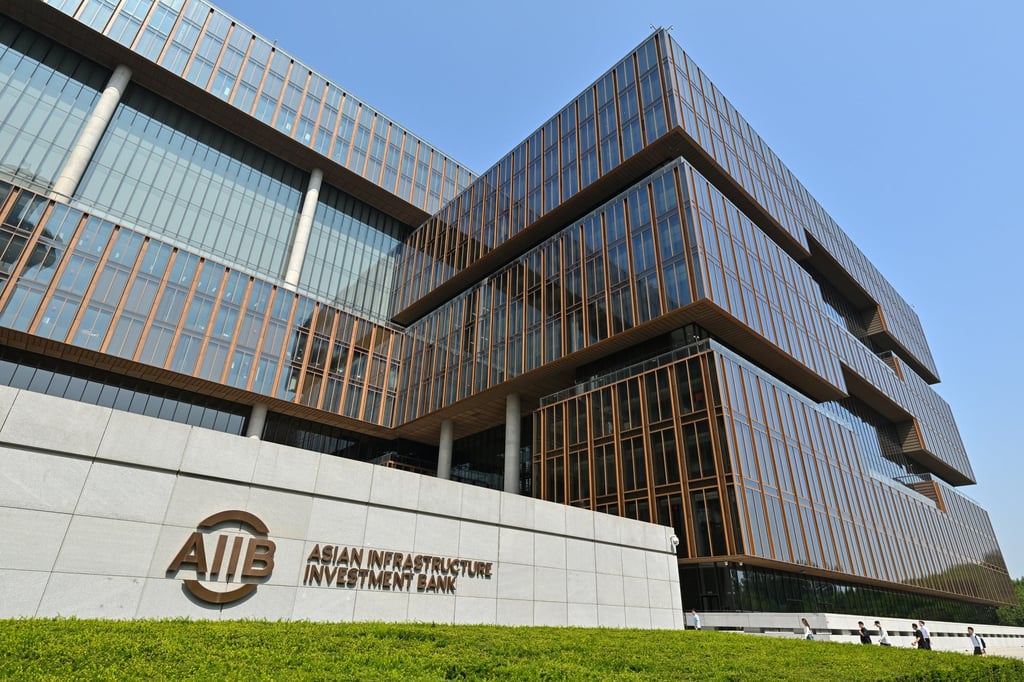
 Creating “new institutional architecture” like the Asian Infrastructure Investment Bank (AIIB) could ease “security-first” economics globally, New Delhi’s new top envoy to Beijing has suggested, as both countries work to mend ties.
The senior diplomat said countries were now “less willing to look at preferential trading arrangements” around the world, adding that beyond tariffs, the global economy faced other barriers in certification processes, export controls, weaponisation of finance, technology and digital infrastructure.
Doraiswami also pointed to a global trend of looking increasingly at “moving away from efficiency-first economics to security-first production”, with many pursuing “competitive advantage rather than comparative advantage” for a “unilateral self-reliant system”.
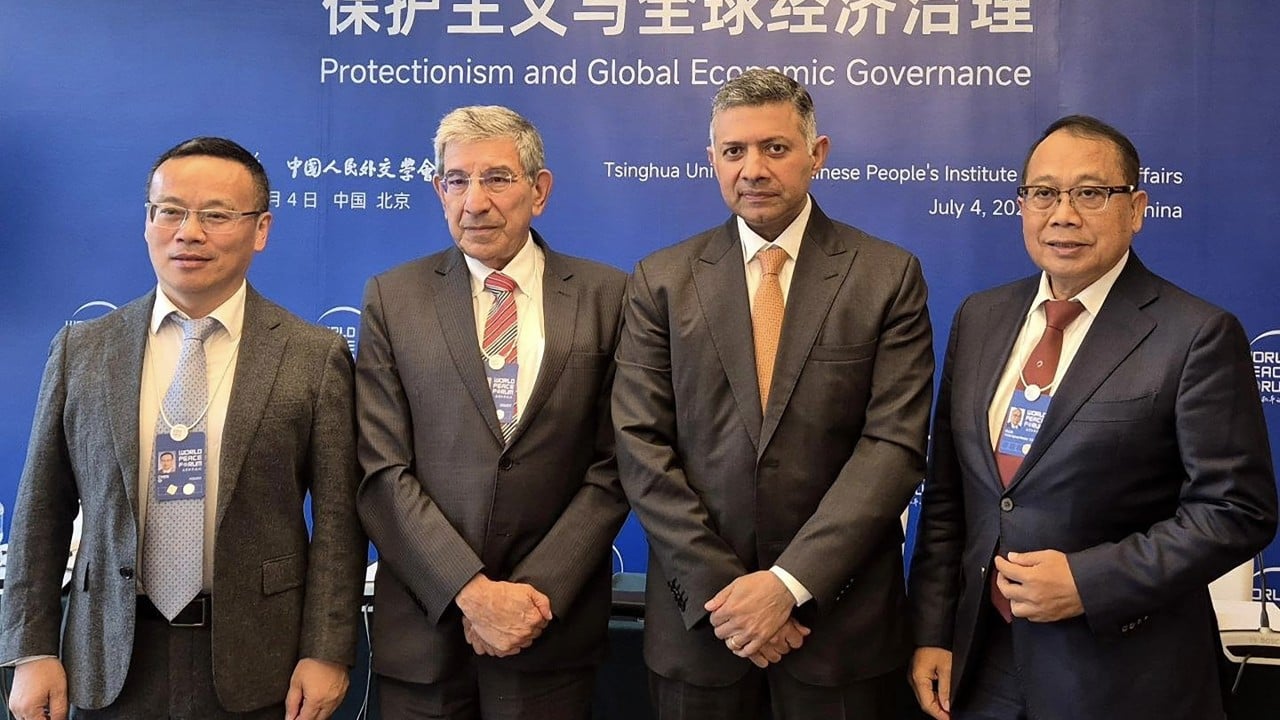
The Indian ambassador made the comments on Saturday during a panel discussion at the World Peace Forum in Beijing, an event jointly organised by Tsinghua University and the state-backed Chinese People’s Institute of Foreign Affairs.
Different economies were reluctant to open up areas where they had shortcomings and often sought free trade in sectors where they were strongly positioned, Doraiswami said.
Don't Miss:
-
Drug Trafficking, U.S. Banks, and the Economic Reality Under Trump
-
Ivan’s Mob Beheads A Los Mayos Member
-
Ex-OFAC Official: The Cartel Risk Companies Can’t See | The InSight Take
-
Why Ecuador Is Losing Its Fight Against Organized Crime
-
‘El Cromo’ Arrested in Guadalajara; He Is Linked to a Group Affiliated with the CJNG