
 The Taliban’s New War Begins at Home
  Panama removed from EU’s tax haven ‘blacklist’ a decade after the Panama Papers
  Crackdown and Controversy: The Battle Over Beach Bars and Noise in Phuket’s Bang Tao
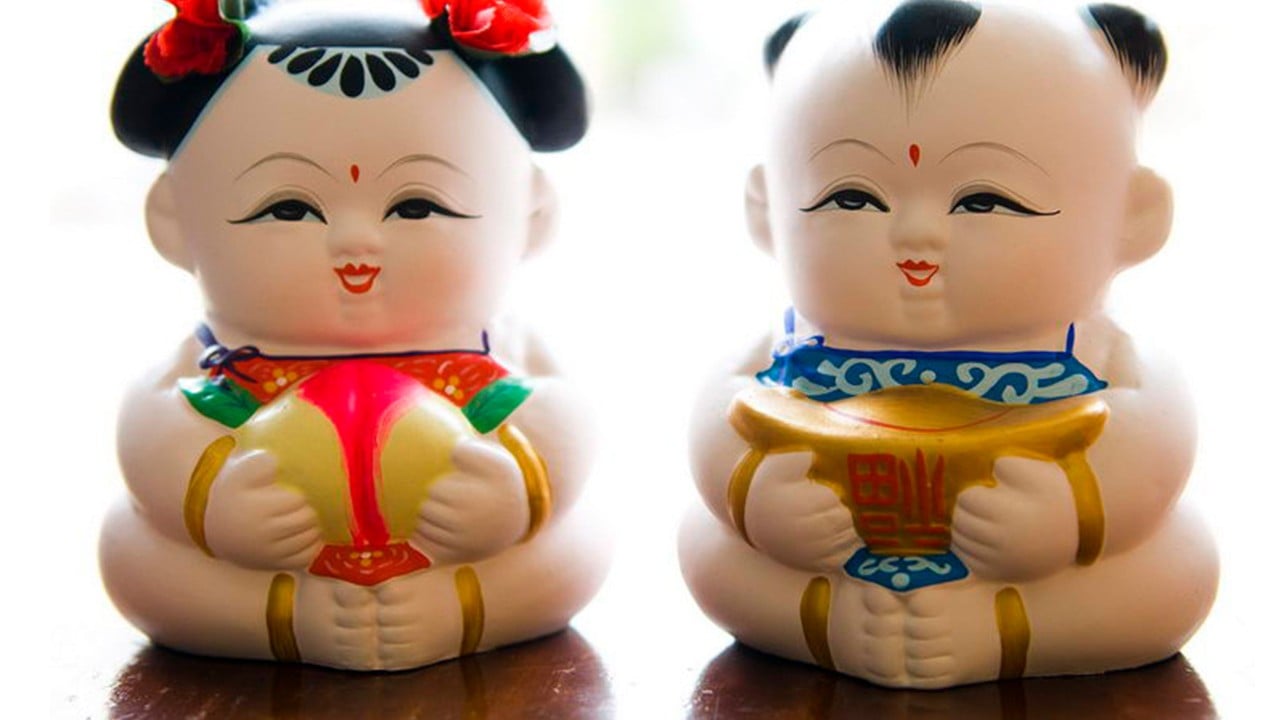
 With their rounded faces, rosy cheeks, and joyful demeanour, Da A Fu dolls are beloved emblems of good fortune in China and have become celebrated icons of the nation’s cultural heritage.
Traditionally crafted from clay, these figures represent the most famous example of Huishan claywork, an esteemed Chinese art form that traces its origins back to the Ming dynasty (1368–1644).
These delightful artefacts were among the first to be included in China’s National List of Intangible Cultural Heritage. Initially, local farmers created them as a supplementary source of income, selling them to children at temple fairs. By the Qing dynasty (1644–1912), Da A Fu dolls had gained the status of national treasures and evolved into significant cultural exports.
A recent study published in the esteemed journal Nature argues that the figurines serve as pieces of religious imagery, specifically embodying Buddha.
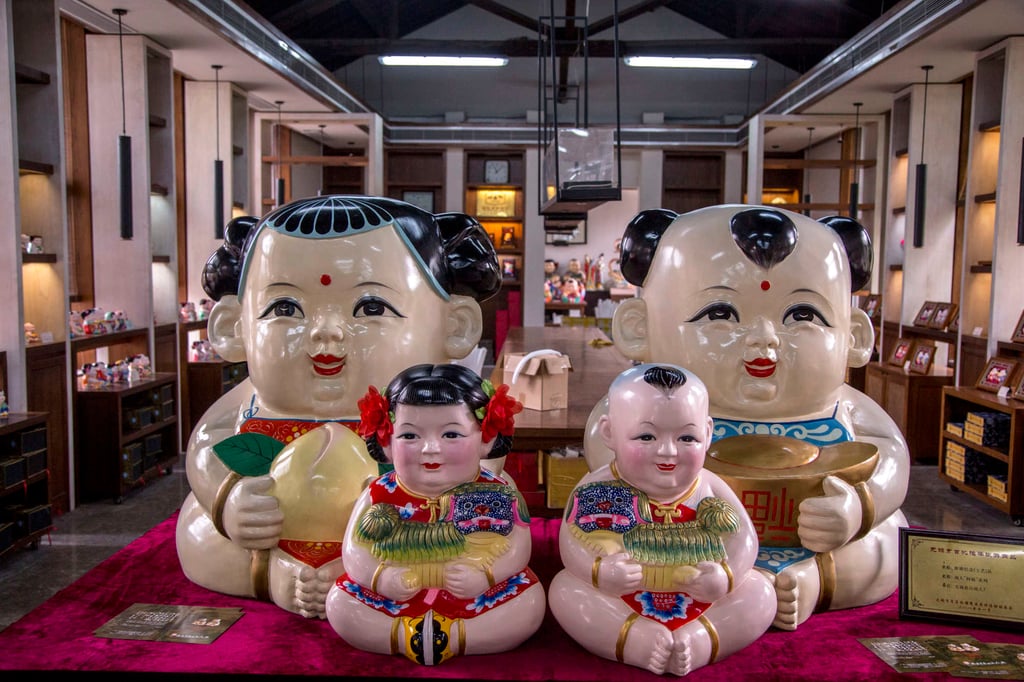
“As a form of local folk art, Da A Fu functions not only as a cultural symbol of regional intangible heritage but also as a ‘functional portraiture’ that integrates religious motifs, ritual practices, and social sentiment,” wrote the authors, two based in Wuxi, China, and the third in George Town, Malaysia.
Don't Miss:
-
Drug Trafficking, U.S. Banks, and the Economic Reality Under Trump
-
Ivan’s Mob Beheads A Los Mayos Member
-
Ex-OFAC Official: The Cartel Risk Companies Can’t See | The InSight Take
-
Why Ecuador Is Losing Its Fight Against Organized Crime
-
‘El Cromo’ Arrested in Guadalajara; He Is Linked to a Group Affiliated with the CJNG