
 The Taliban’s New War Begins at Home
  Panama removed from EU’s tax haven ‘blacklist’ a decade after the Panama Papers
  Crackdown and Controversy: The Battle Over Beach Bars and Noise in Phuket’s Bang Tao
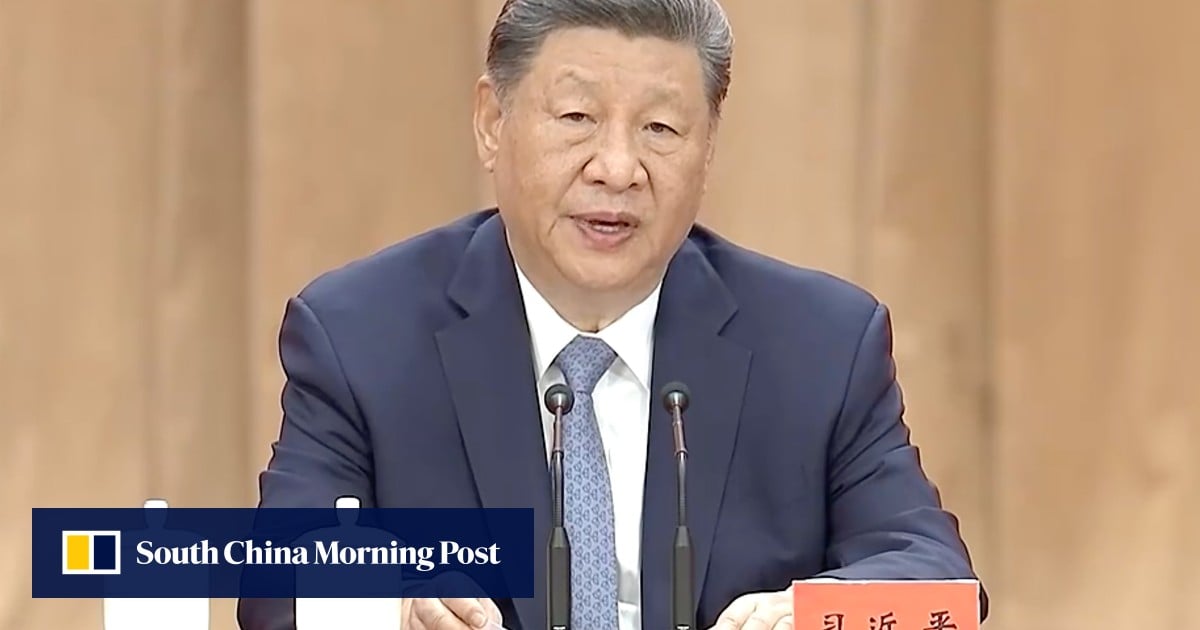
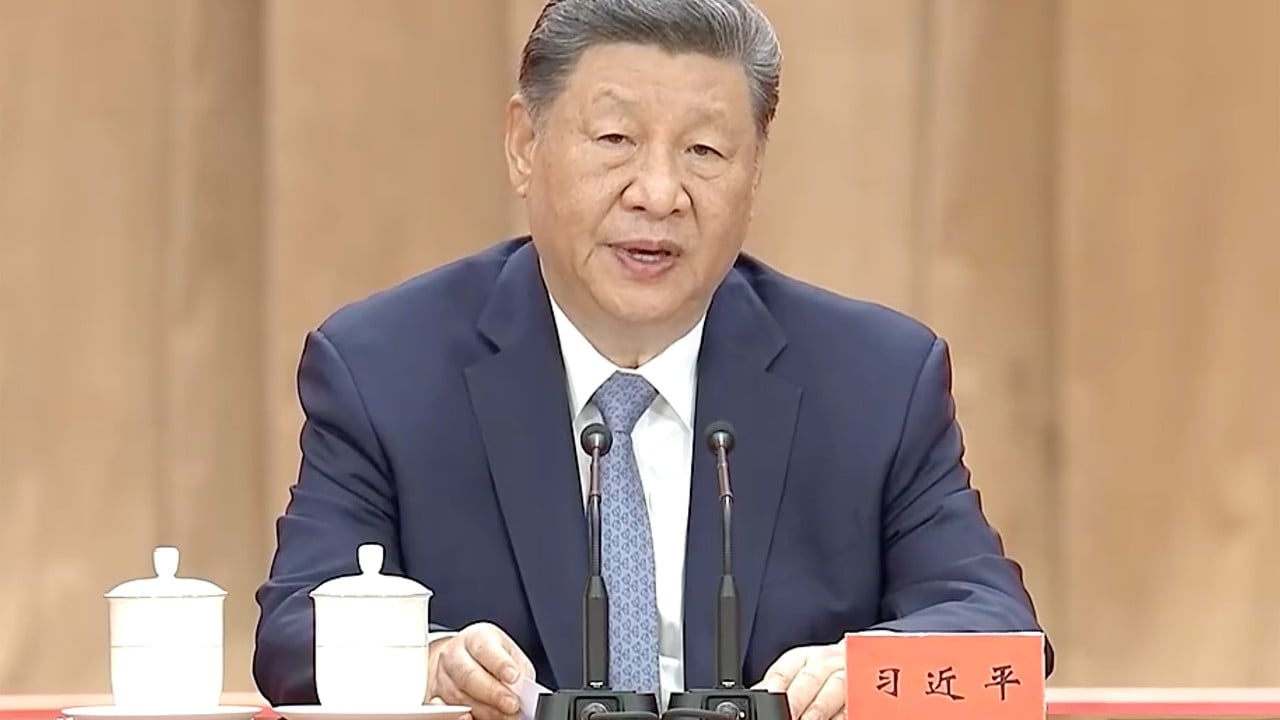
Xi underscored these priorities on Wednesday as he presented China’s highest scientific honour – the State Pre-eminent Science and Technology Award – to solid-state lithium battery pioneer Chen Liquan and military airborne radar expert Ben De.
Each 2025 laureate received 5 million yuan (about US$736,000) in prize money at the national science assembly held at the Great Hall of the People in Beijing.
The 2026-2030 plan period was a critical phase for building a tech powerhouse, Xi noted, stressing the need for breakthrough innovation to drive Chinese modernisation.
However, this required overcoming entrenched structural hurdles, he said, admitting that China’s tech sector still suffered from “insufficient original innovation capability in certain fields, an irrational talent structure, and low efficiency in tech investment”, alongside institutional bottlenecks that clogged progress.
Xi linked the domestic push to the shifting global power dynamics. With global competition intensifying, “technological strength and innovation capability have increasingly become a nation’s core competitiveness”, he said.
Don't Miss:
-
Drug Trafficking, U.S. Banks, and the Economic Reality Under Trump
-
Ivan’s Mob Beheads A Los Mayos Member
-
Ex-OFAC Official: The Cartel Risk Companies Can’t See | The InSight Take
-
Why Ecuador Is Losing Its Fight Against Organized Crime
-
‘El Cromo’ Arrested in Guadalajara; He Is Linked to a Group Affiliated with the CJNG