
 Ten years after the Panama Papers, enablers and tax cheats are still being brought to justice
  Behind the veil of secrecy: Ten years of the Panama Papers, part 2
  WATCH: The Panama Papers at 10 live panel event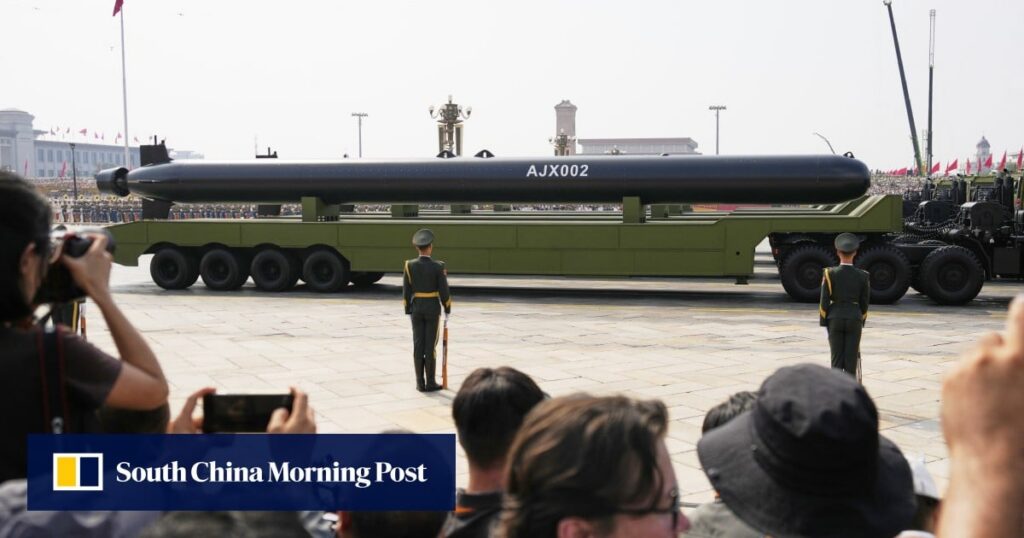
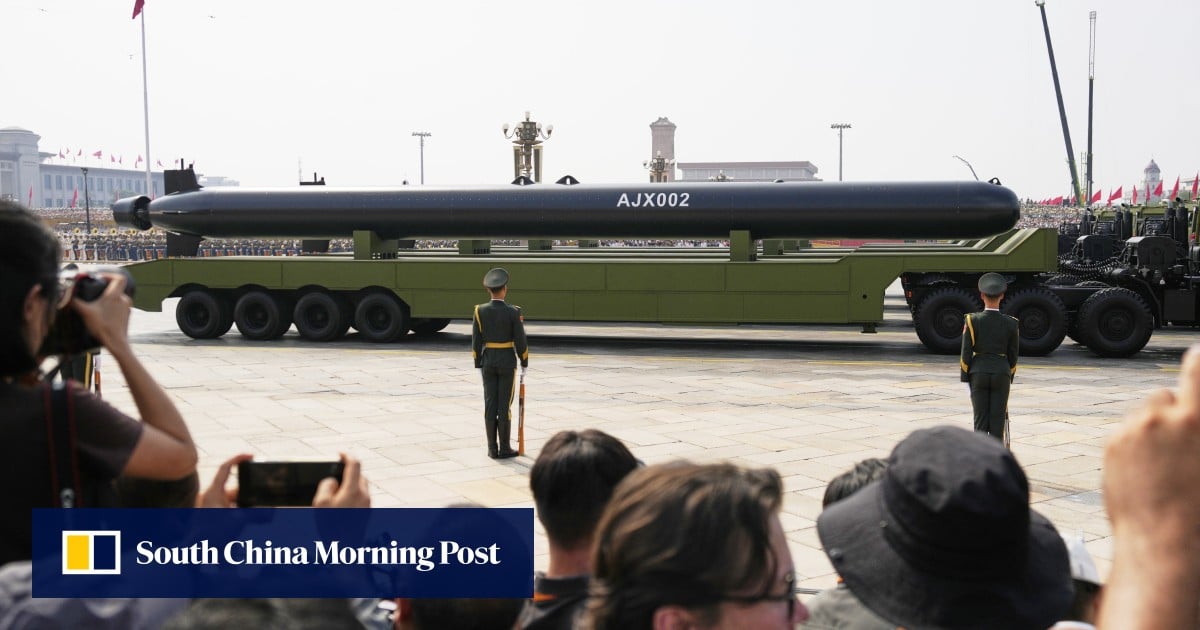
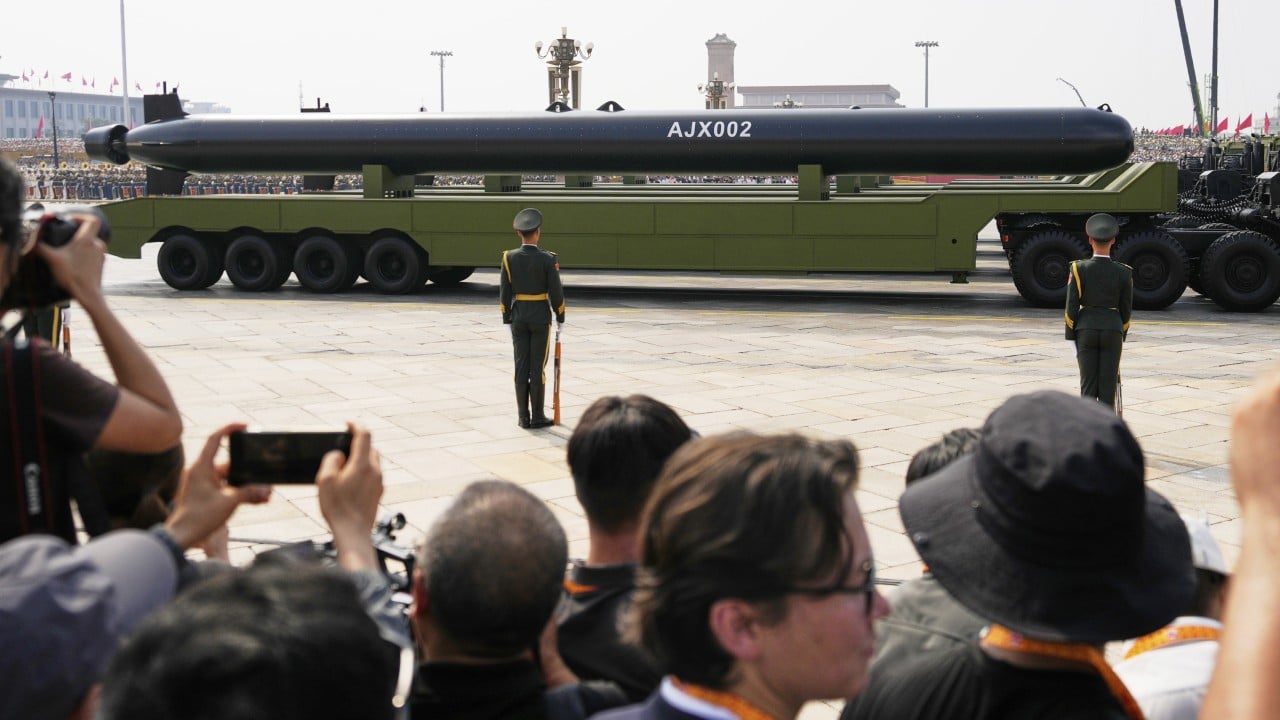
Satellite imagery analysed by Western media also revealed a classified variant exceeding 40 metres at a naval installation, triggering international concern – particularly in the United States.
Advertisement
US defence experts responded to the developments with stark warnings about vulnerabilities along America’s West Coast, with some analysts designating Seattle, Oakland, Los Angeles and the Panama Canal as potential targets.
Yan Zheping, China’s leading submersible authority and director of unmanned systems at Harbin Engineering University’s College of Intelligent Systems Science and Engineering, addressed these concerns in peer-reviewed research published last month.
Advertisement
China’s ultra large models “prioritise regional security and near-coast defensive reconnaissance while simultaneously supporting civilian research and environmental monitoring”, Yan wrote in his paper for the Chinese Journal of Ship Research, clarifying the vessels’ strategic purpose to the public for the first time.
Don't Miss:
-
Australia receives fuel export guarantees from Singapore, Japan
-
China’s luxury spending seen boosting global sales in 2026 despite headwinds
-
Chinese man, 90, cycles across country after tragic losses of wife, son, daughter-in-law, grandson
-
Why crisis-hit Asia is unlikely to embrace Trump’s America 250 party
-
UAE, Bahrain and Kuwait lose water, energy infrastructure to Iran strikes