
 The Taliban’s New War Begins at Home
  Panama removed from EU’s tax haven ‘blacklist’ a decade after the Panama Papers
  Crackdown and Controversy: The Battle Over Beach Bars and Noise in Phuket’s Bang Tao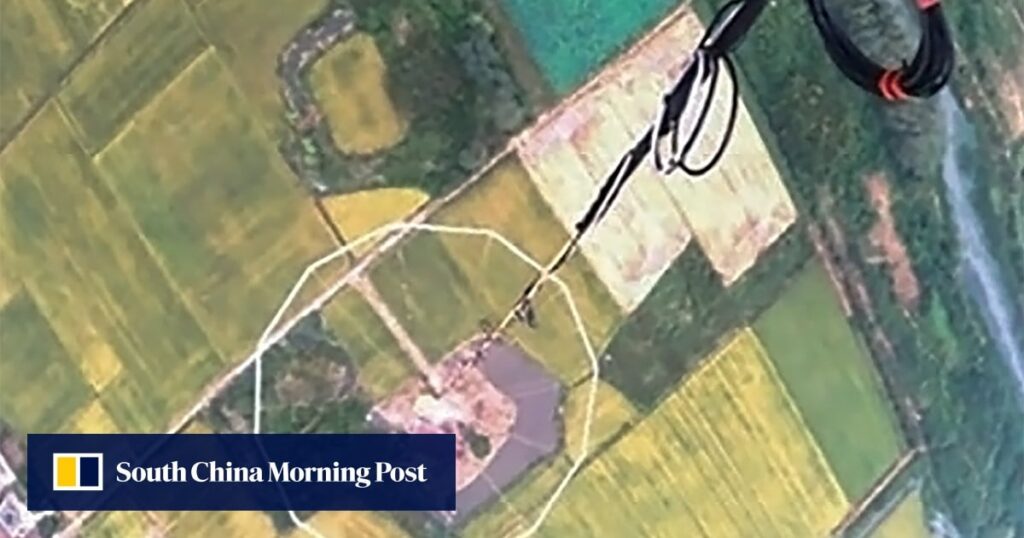
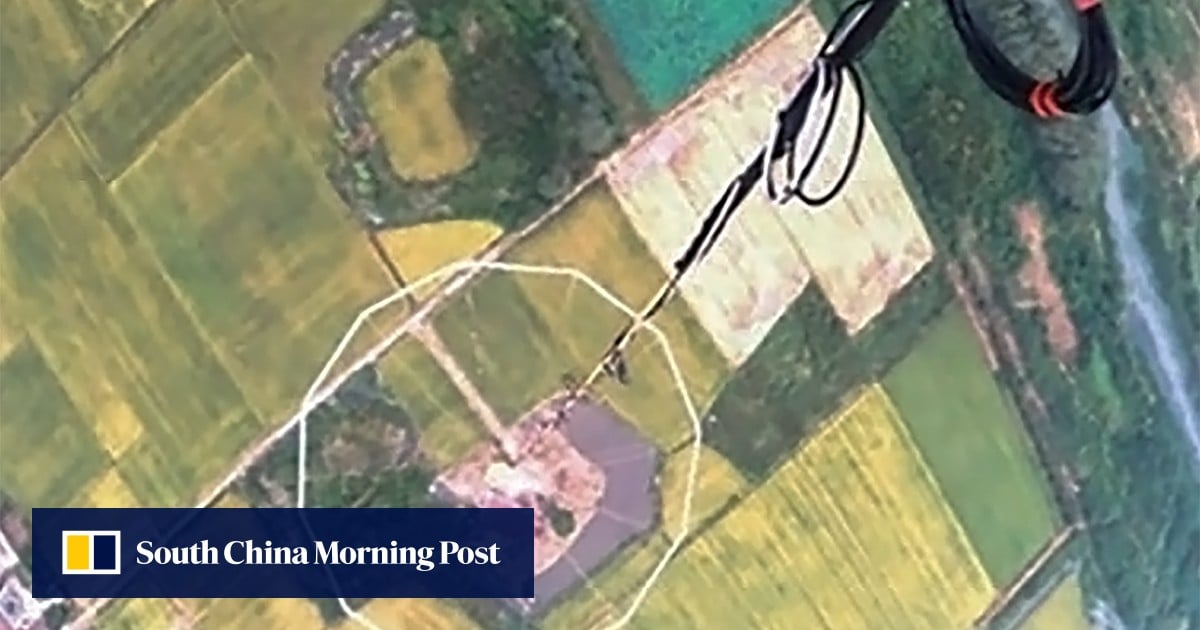
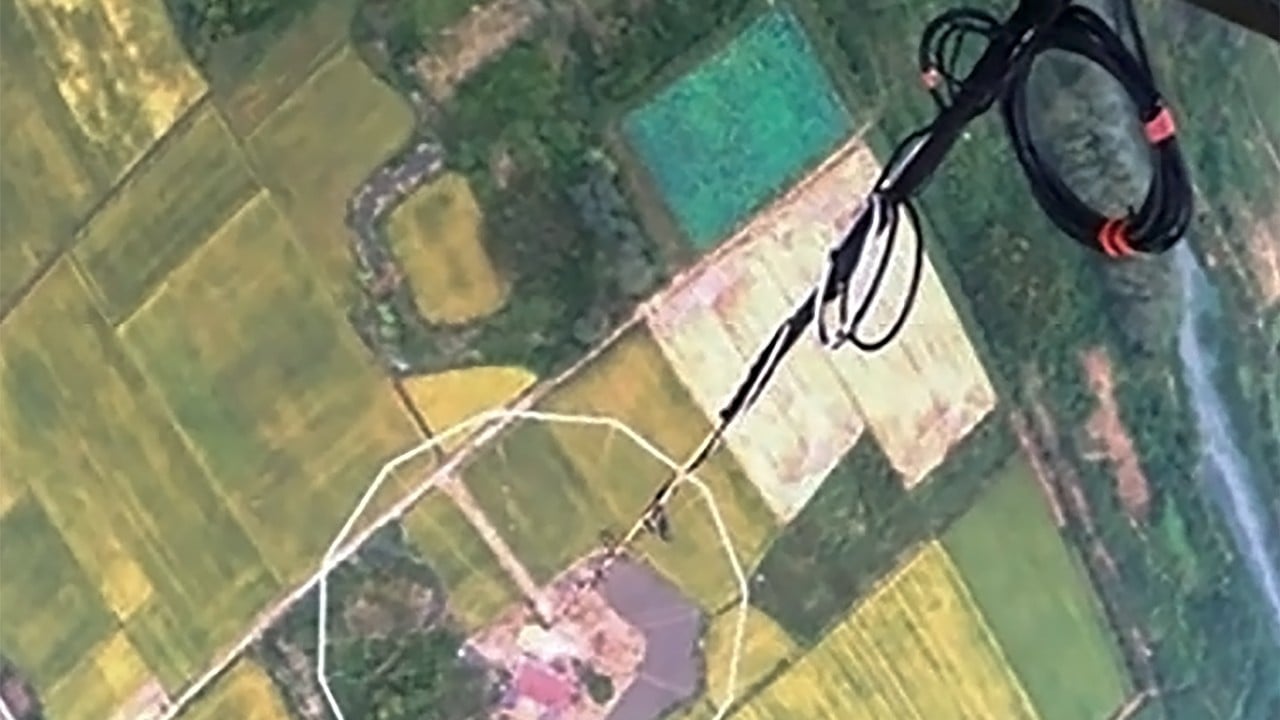
At an undisclosed test site, a helicopter takes off, towing a kite-like array of massive coils.
When the pulse is turned off, the magnetic field induces tiny, decaying “eddy currents” in any conductive material it hits. These currents, in turn, create their own secondary magnetic field, which is picked up by a receiver coil.
Advertisement
By analysing the strength and decay rate of this secondary signal, scientists can determine not only that something is there, but what it might be and how deep it is.
The results of this groundbreaking flight test were revealed in a paper published in the Chinese journal Acta Aeronautica et Astronautica Sinica on April 25.
Advertisement
Led by associate professor Fu Jingcheng of Beihang University and the Chinese Academy of Sciences’ Institute of Geology and Geophysics, the study solves a formidable engineering puzzle: how to keep a complex, multi-coil airborne system perfectly stable during flight for geophysical surveys.
Don't Miss:
-
Drug Trafficking, U.S. Banks, and the Economic Reality Under Trump
-
Ivan’s Mob Beheads A Los Mayos Member
-
Ex-OFAC Official: The Cartel Risk Companies Can’t See | The InSight Take
-
Why Ecuador Is Losing Its Fight Against Organized Crime
-
‘El Cromo’ Arrested in Guadalajara; He Is Linked to a Group Affiliated with the CJNG