
 Global headlines and a public reckoning: Ten years of the Panama Papers, part 3
  ICIJ’s investigations into systemic failures highlighted in 2025 annual report
  Judge orders Nazi-looted Modigliani linked to Panama Papers be returned to heirs
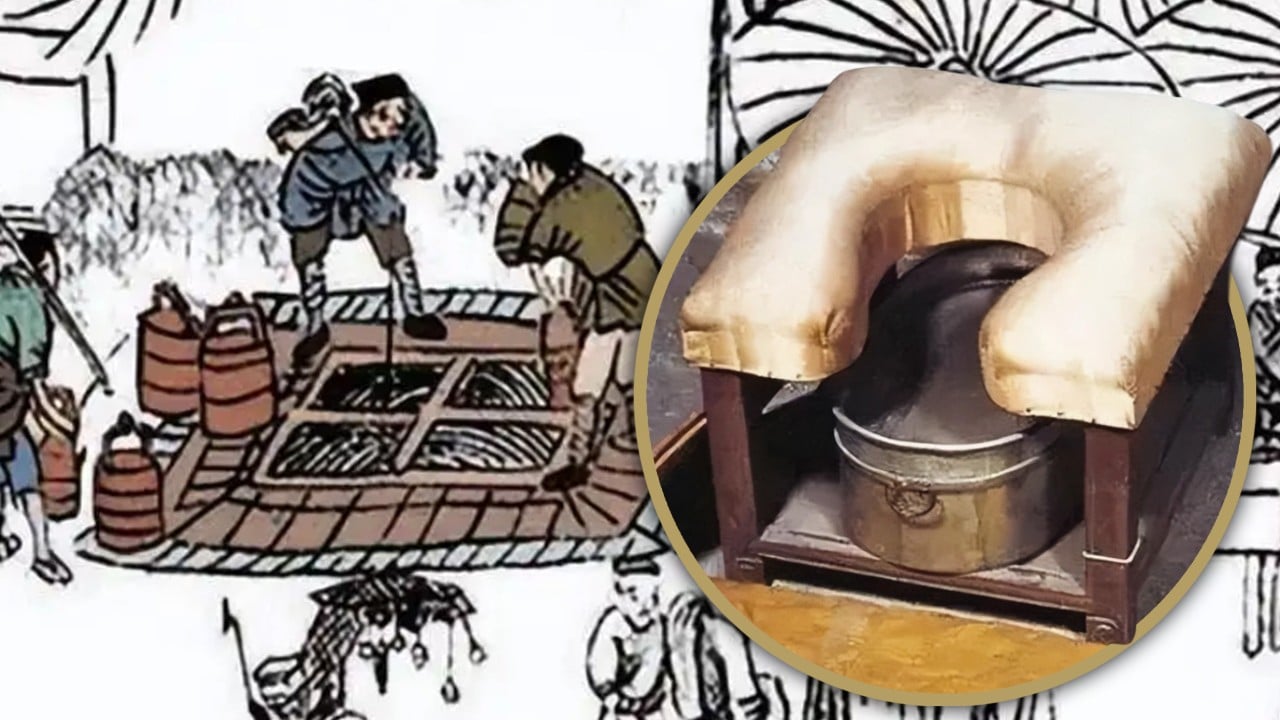
 For most ordinary people in ancient China, using the toilet was a routine necessity.
In the imperial court, however, even the most private act became a carefully staged display of status and ritual.
Papermaking, one of China’s Four Great Inventions, had emerged by the Han dynasty (206 BC–220), yet paper remained too precious for daily use.
Advertisement
Instead of toilet paper, commoners relied on leaves, pebbles, or tiles for personal cleaning, while the elite used silk or cloth. They also employed slender wooden or bamboo strips called ce chou, some of which were lavishly crafted from gold or jade and were washed and dried after each use.
However, their hardness made careless handling painful, even dangerous, and limited their effectiveness in cleaning.
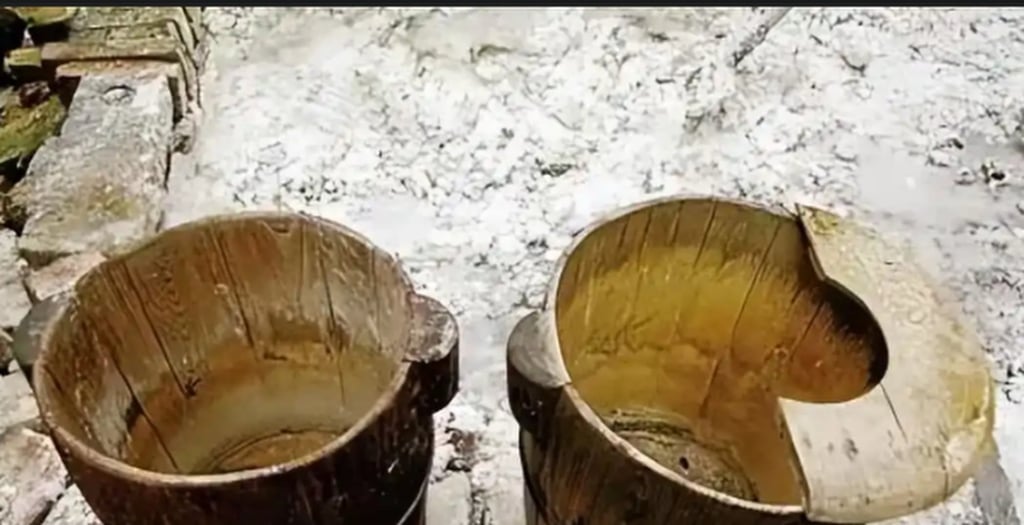
According to the Book of Southern Tang, Emperor Li Yu personally prepared ce chou for monks, testing its smoothness against his own cheek.
Don't Miss:
-
‘No water flowed through the hoses,’ plumber says as Tai Po fire hearings resume
-
Woman charged over Singapore crash that killed Indonesian girl in Chinatown
-
Hong Kong to set up company this year to fast-track San Tin tech hub as firms eye move
-
Japan’s deportation drive strikes fear into asylum seekers, foreign residents
-
Chinese youth are embracing Ching Ming with cultural confidence