
 The US is letting a convicted Bolsonaro spy chief stay in Florida. Brazil wants answers.
  Rick Claypool on Pay to Play Corporate Crime Enforcement
  Labaton Launches Whistleblower Practice with Former SEC Acting Chair Allison Herren Lee
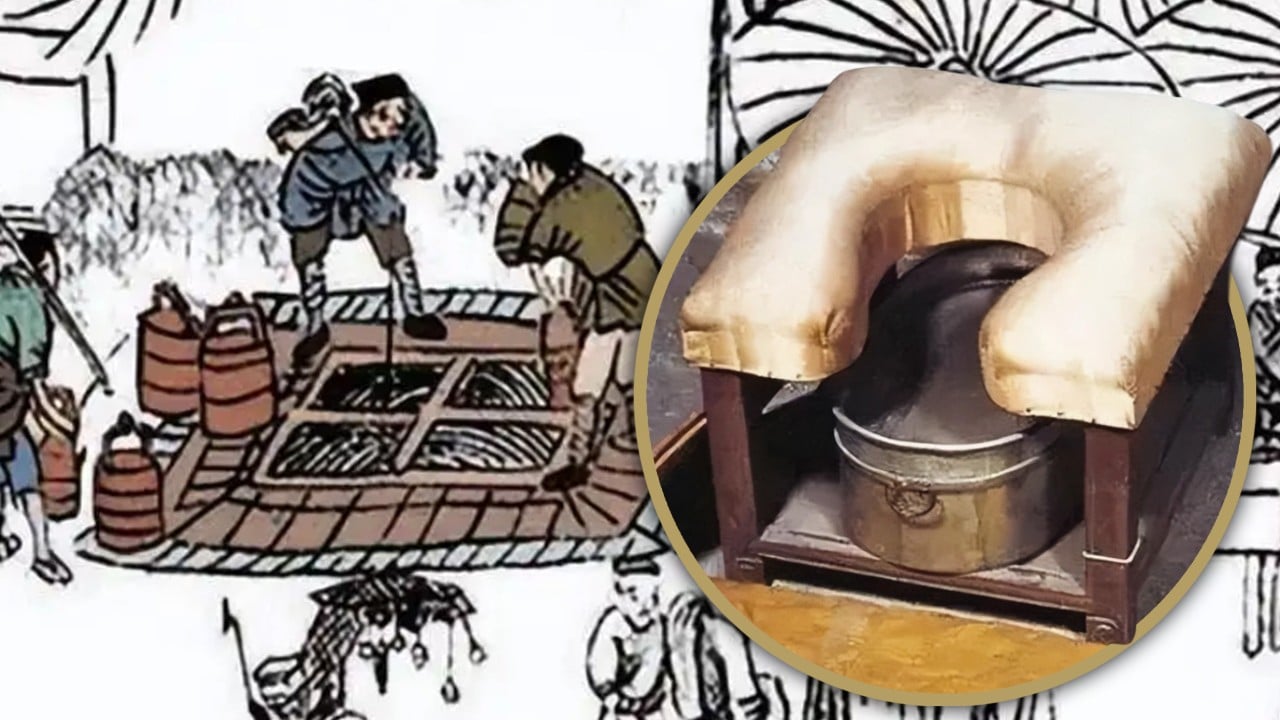
 For most ordinary people in ancient China, using the toilet was a routine necessity.
In the imperial court, however, even the most private act became a carefully staged display of status and ritual.
Papermaking, one of China’s Four Great Inventions, had emerged by the Han dynasty (206 BC–220), yet paper remained too precious for daily use.
Advertisement
Instead of toilet paper, commoners relied on leaves, pebbles, or tiles for personal cleaning, while the elite used silk or cloth. They also employed slender wooden or bamboo strips called ce chou, some of which were lavishly crafted from gold or jade and were washed and dried after each use.
However, their hardness made careless handling painful, even dangerous, and limited their effectiveness in cleaning.
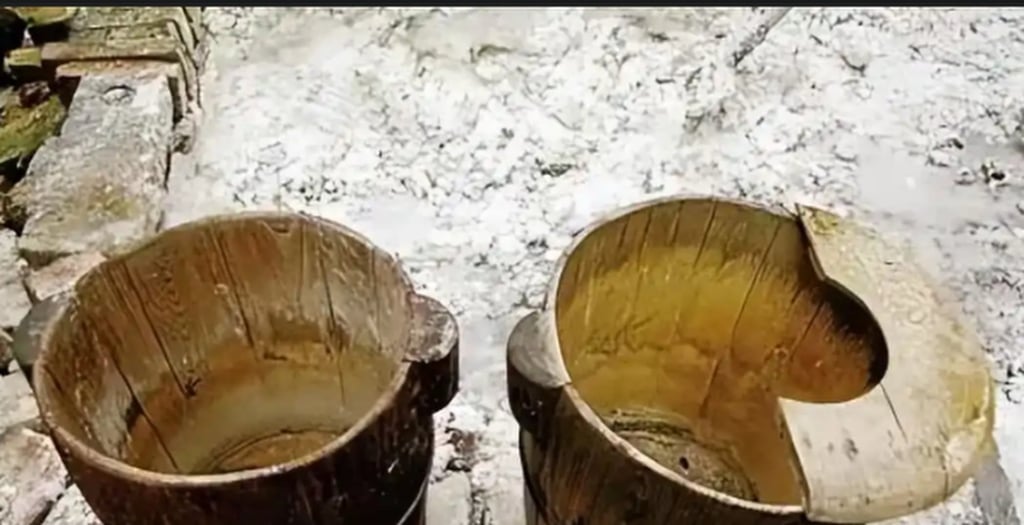
According to the Book of Southern Tang, Emperor Li Yu personally prepared ce chou for monks, testing its smoothness against his own cheek.
Don't Miss:
-
Organized Crime Postponed Democracy in Haiti, Again | The InSight Take
-
Unstoppable Violence in Michoacán: 31 Police Officers Killed, and Criticism of the Government Mounts
-
A Total of 13 Mass Graves Have Been Found in Viesca Containing the Charred Remains of Men and Women
-
Jorge Luis Zambrano, alias “Rasquiña”
-
El Taliban Fell In Mazatlán… And What He Confessed Ties Everything Together