
 The Taliban’s New War Begins at Home
  Panama removed from EU’s tax haven ‘blacklist’ a decade after the Panama Papers
  Crackdown and Controversy: The Battle Over Beach Bars and Noise in Phuket’s Bang Tao
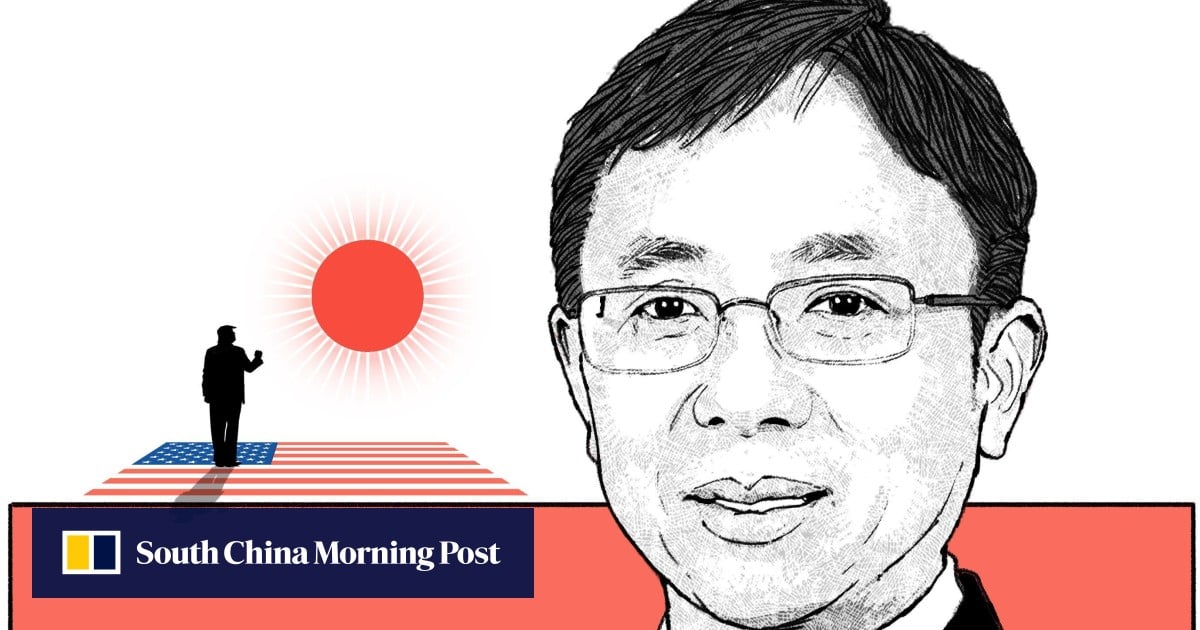
Wu Xinbo is the dean of the Institute of International Studies at Fudan University in Shanghai and a leading Chinese researcher on the US. In this interview, he analyses how shifts in US foreign policy are changing the relationship between the two countries.
As the United States celebrates its 250th anniversary, how do you assess US foreign policy and the future direction of its relations with China?
Simply put, US foreign policy in Donald Trump’s second term is currently shifting back in the direction of pragmatic realism. It redefines Washington’s foreign policy goals based on American power, seeks a more appropriate repositioning for the US in a multipolar world and redesigns America’s foreign strategy.
Therefore, at this historical juncture of the 250th anniversary of the nation’s founding, US foreign policy is in an important period of adjustment.
In terms of China-US relations, after the manoeuvring between the two sides over the past year, combined with the Trump administration’s overall realist foreign policy mindset, I believe China-US relations are moving towards a development that emphasises process management and pursues dynamic stability.
Could you please elaborate on what you mean by ‘process management’?
Don't Miss:
-
Drug Trafficking, U.S. Banks, and the Economic Reality Under Trump
-
Ivan’s Mob Beheads A Los Mayos Member
-
Ex-OFAC Official: The Cartel Risk Companies Can’t See | The InSight Take
-
Why Ecuador Is Losing Its Fight Against Organized Crime
-
‘El Cromo’ Arrested in Guadalajara; He Is Linked to a Group Affiliated with the CJNG