
 When Great Powers Talk, Who Speaks for Asia
  About the China Capital investigation
  Frequently asked questions about the China Capital investigation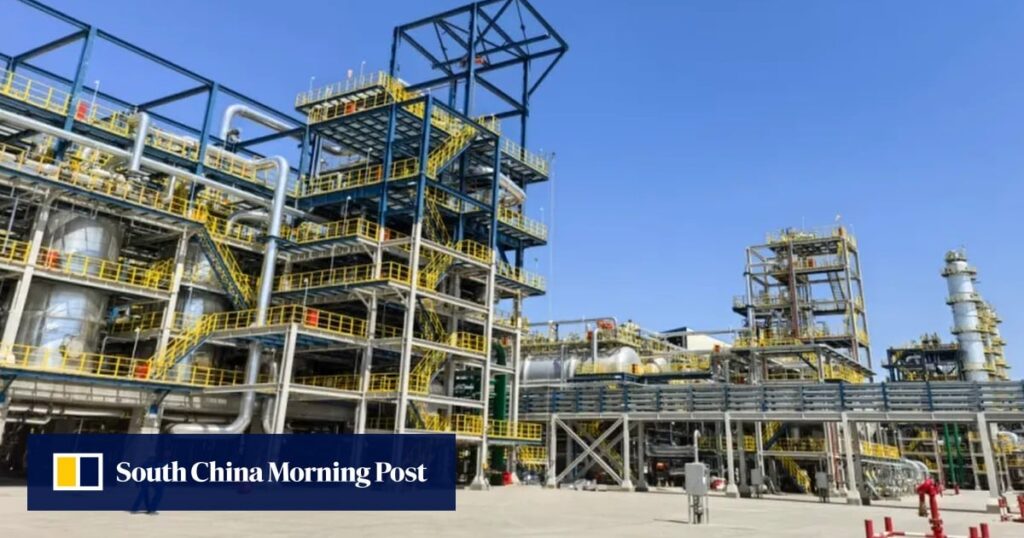
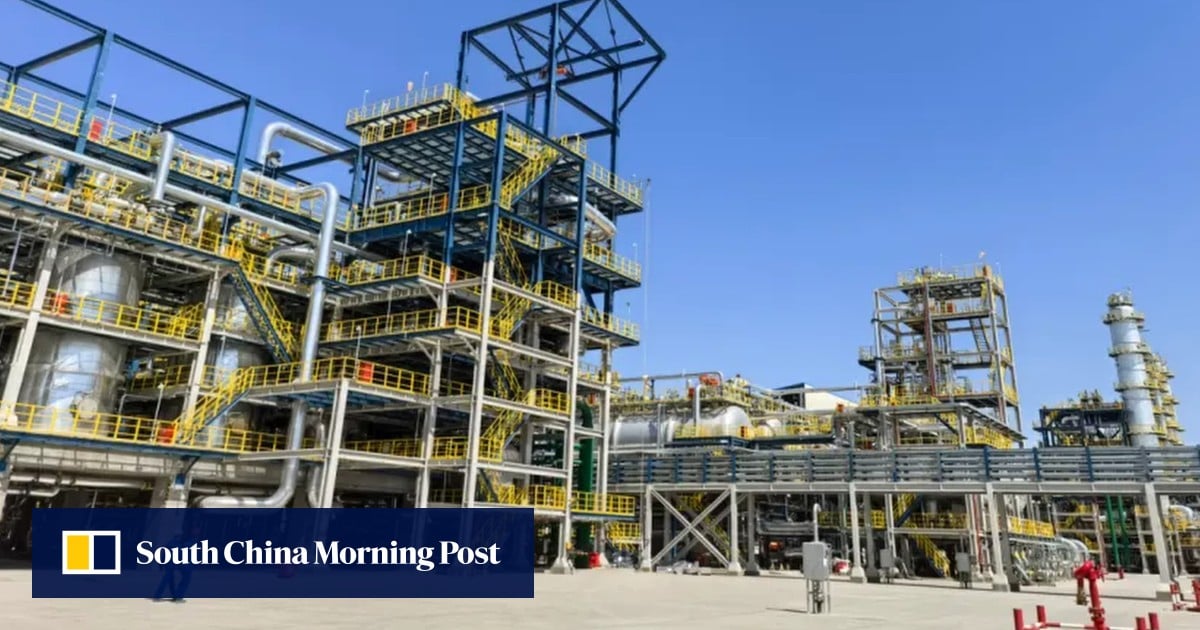
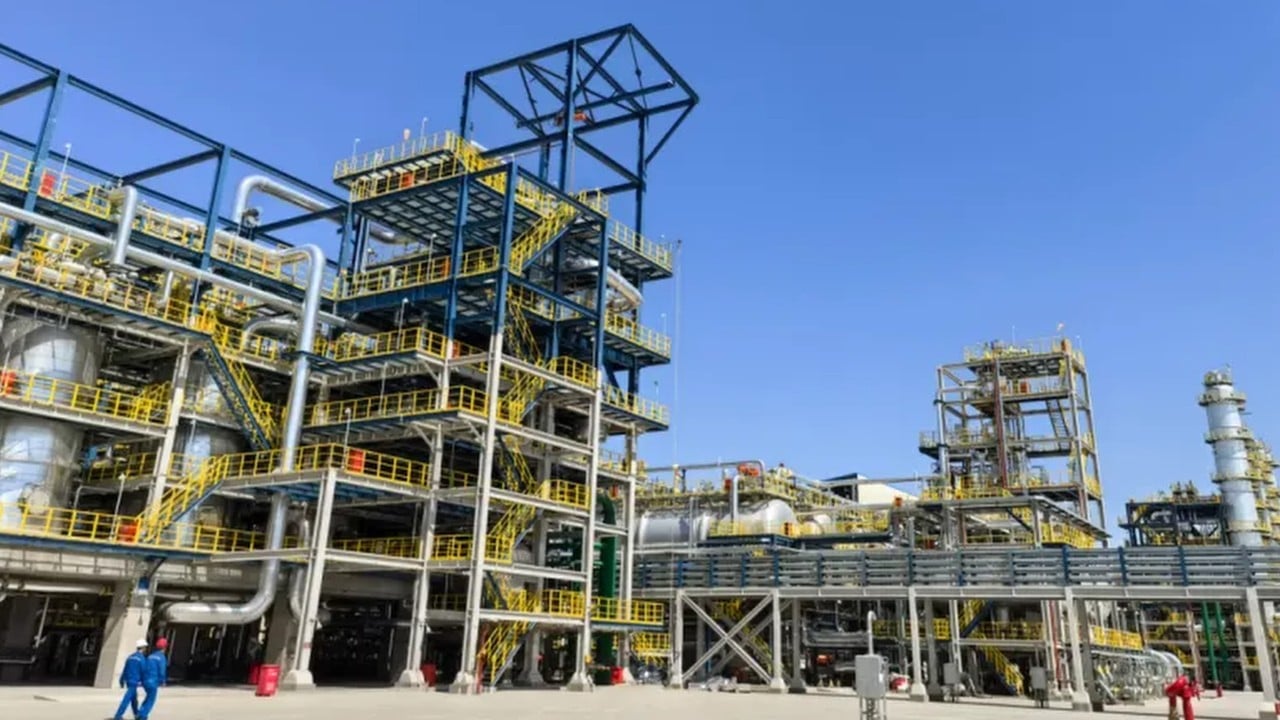
Chinese researchers have completed trials of a new rare earth-based synthetic rubber production facility, industrialising a major raw material for manufacturing electric vehicle and heavy-duty vehicle tyres.
High-quality synthetic rubber, most of which uses metal as a catalyst during production, is vital to the transport industry, manufacturing and national defence.
Starting production on July 16, the plant draws on more than 60 years of research into rare earth catalytic synthesis of butadiene rubber, which the institute said it helped to pioneer in the 1960s.
Synthetic rubber is produced mostly from petroleum by-products like styrene and butadiene rather than derived from natural rubber trees.
Butadiene rubber is a type of synthetic rubber that is highly resilient and wear-resistant, and is used to produce tyres and other high-quality rubber-based products. Cis-butadiene rubber refers to a high-grade form engineered to have better durability and elasticity.
Butadiene rubber is typically produced using a metal-based catalyst, mainly nickel, titanium, cobalt, or rare earth metals. One of the main catalytic systems uses neodymium, a rare earth metal produced mainly by China.
Don't Miss:
-
China urges ‘constructive dialogue’ with EU in high-level call with France
-
Hong Kong airport builds third runway with strategy to help marine environment thrive
-
Cambodia, Thailand take US$300 billion seabed dispute to UN
-
Hong Kong visitor arrivals hit post-pandemic monthly high in August
-
Indonesian finance minister found out about his firing in mid-meeting phone call