
 When Great Powers Talk, Who Speaks for Asia
  About the China Capital investigation
  Frequently asked questions about the China Capital investigation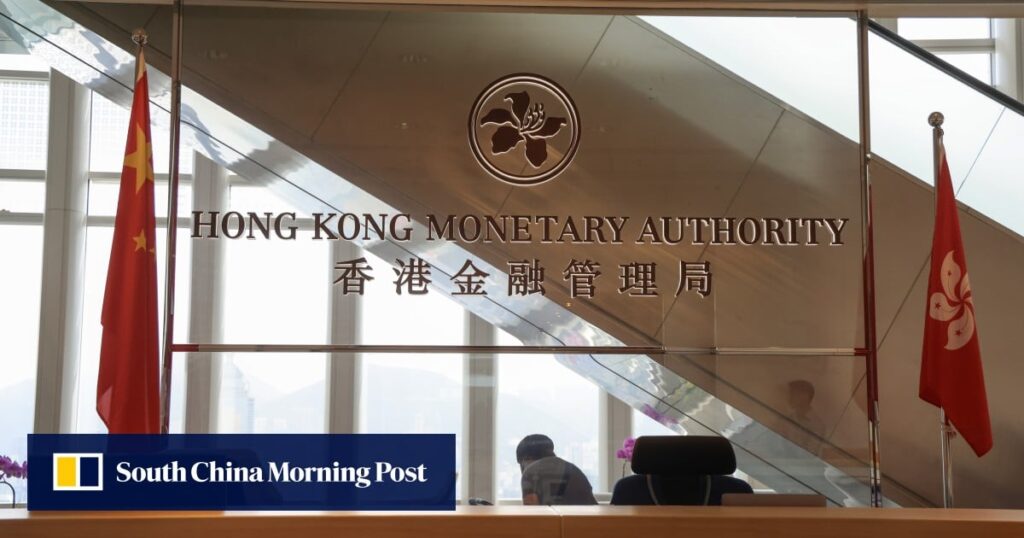
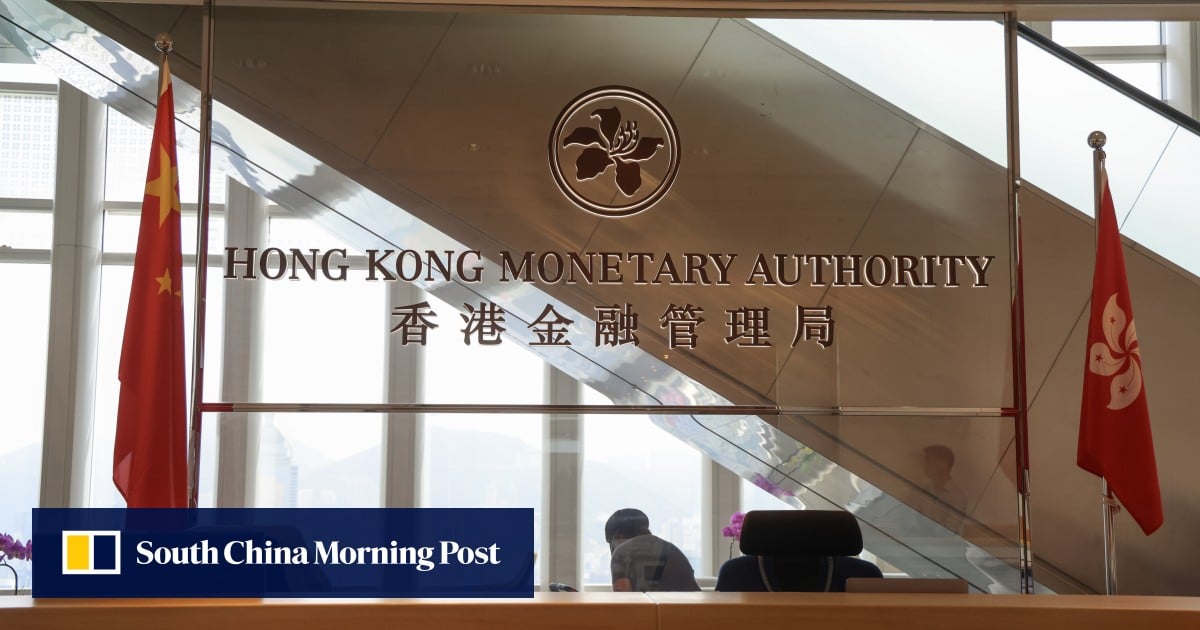
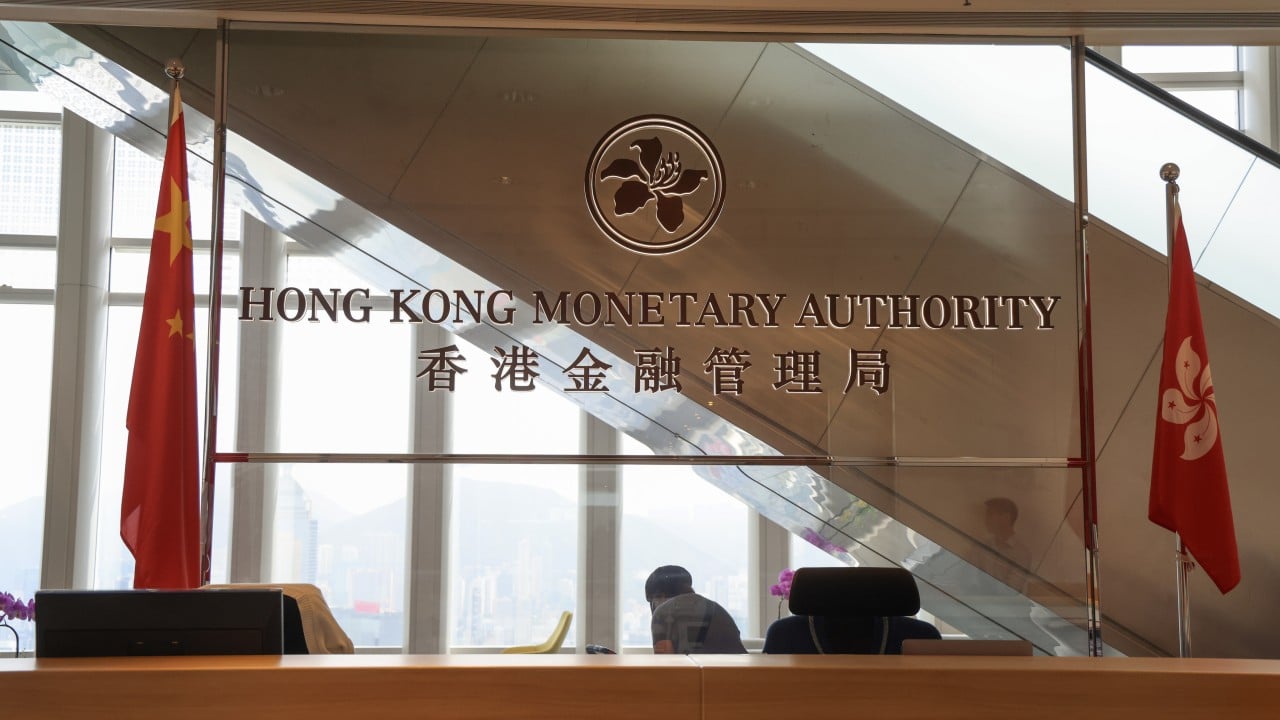
Hong Kong’s banking sector is still in the early stages of preparing for cybersecurity risks posed by quantum computing, the city’s de facto central bank said on Monday as it unveiled a new benchmark to track the industry’s readiness.
The index, based on a survey conducted earlier this year, assessed banks according to four categories: awareness, planning, pilot projects and operational readiness. The HKMA said it aimed for the sector to achieve full readiness, or a score of 10, by 2030.
Quantum computers are expected to eventually be powerful enough to break many of today’s widely used encryption standards, prompting regulators and financial institutions worldwide to prepare for a shift to post-quantum cryptography (PQC) – encryption designed to resist quantum attacks.
The survey found that 68 per cent of banks had begun preparations by raising awareness, developing plans or launching pilot projects, while 32 per cent had yet to take any steps. About half of the banks surveyed also said they had no formal road map for adopting PQC.
Even so, momentum is building. Around half of respondents said quantum computing had been discussed at the board level, while about a third had started exploring or testing quantum-related applications.
Don't Miss:
-
China urges ‘constructive dialogue’ with EU in high-level call with France
-
Hong Kong airport builds third runway with strategy to help marine environment thrive
-
Cambodia, Thailand take US$300 billion seabed dispute to UN
-
Hong Kong visitor arrivals hit post-pandemic monthly high in August
-
Indonesian finance minister found out about his firing in mid-meeting phone call