
 When Great Powers Talk, Who Speaks for Asia
  About the China Capital investigation
  Frequently asked questions about the China Capital investigation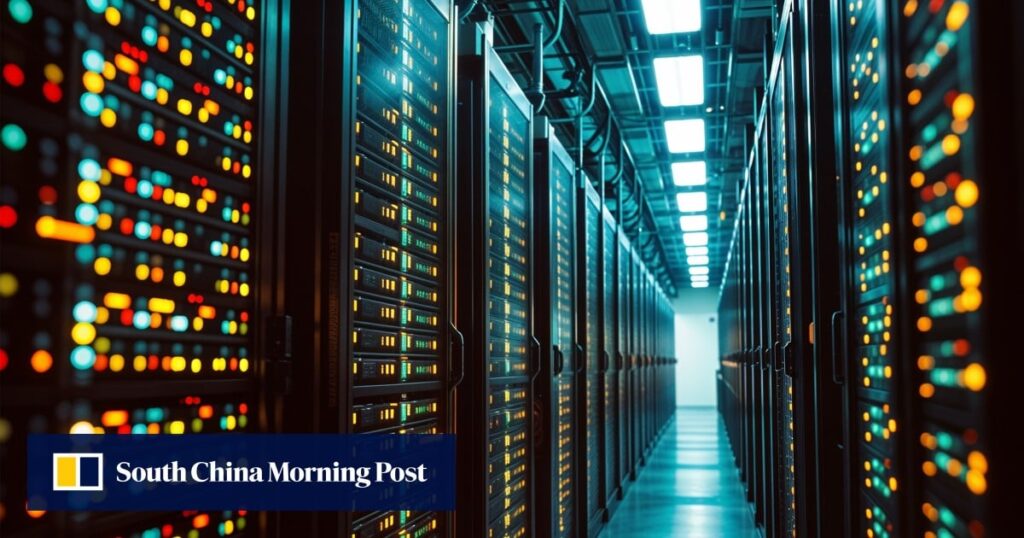
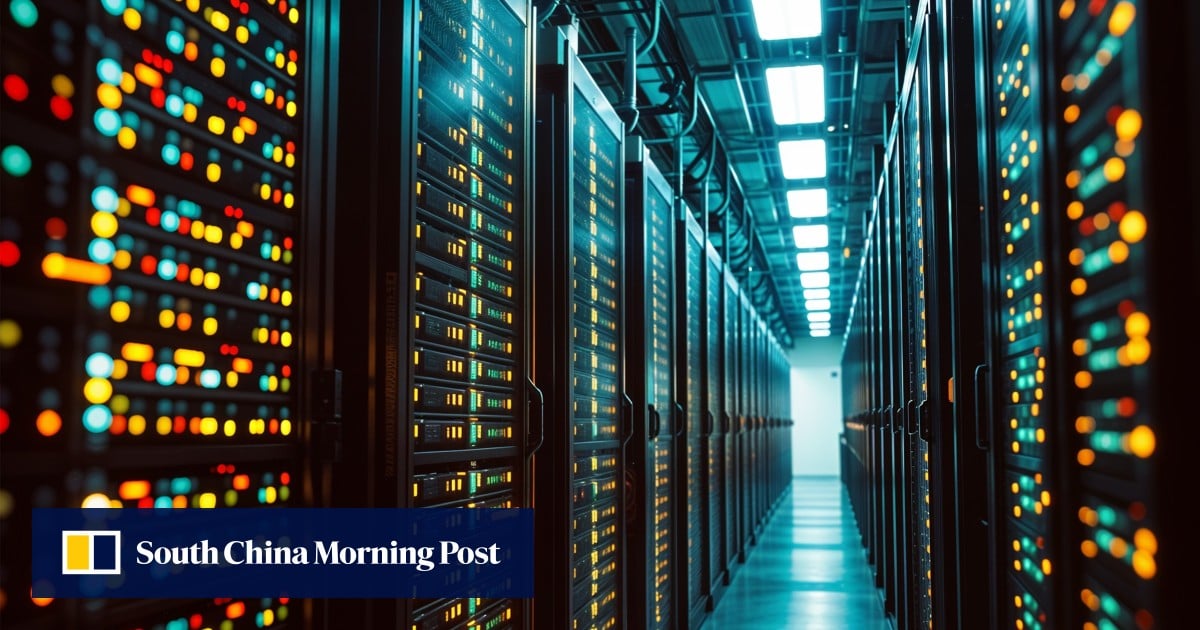
Despite their strikingly different approaches to developing and deploying artificial intelligence, one aspect is common across China and the United States: data and computing centres are proliferating in both countries, especially in remote locations.
While the speed and scale of the buildout align with Beijing’s overarching tech push, some experts are concerned that an overzealous data centre race may lead to overbuilt infrastructure.
In Shatian, a small coastal town in Dongguan city in southern Guangdong province, municipal authorities announced an aggressive plan earlier this month to invest 100 billion yuan (US$14.7 billion) to build a 9,000-acre data and computing park on a barren island, with scheduled completion by 2030.
In eastern Zhejiang province, the little-known county of Jiashan bordering Shanghai has opened the first phase of a 5 billion yuan data centre with a capacity of 15,000 petaflops per second, a unit equivalent to 1 quadrillion calculations. When fully completed, the total capacity will double.
The data centre, designed for training next-generation AI models as well as molecular and drug development, would process data faster than traditional supercomputers in the US, according to Zhejiang media reports, citing local officials.
Don't Miss:
-
China urges ‘constructive dialogue’ with EU in high-level call with France
-
Hong Kong airport builds third runway with strategy to help marine environment thrive
-
Cambodia, Thailand take US$300 billion seabed dispute to UN
-
Hong Kong visitor arrivals hit post-pandemic monthly high in August
-
Indonesian finance minister found out about his firing in mid-meeting phone call