
 The story that rocked the world: Ten years of the Panama Papers, part 1
  France to try alleged Magnitsky Affair mastermind Dimitry Klyuev in absentia
  Canada revokes dozens of crypto firms’ registrations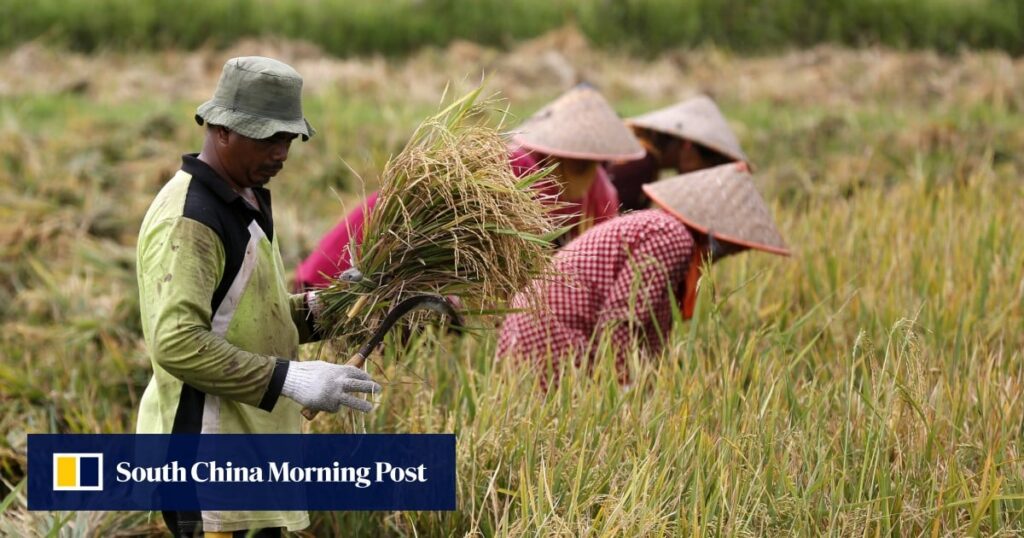
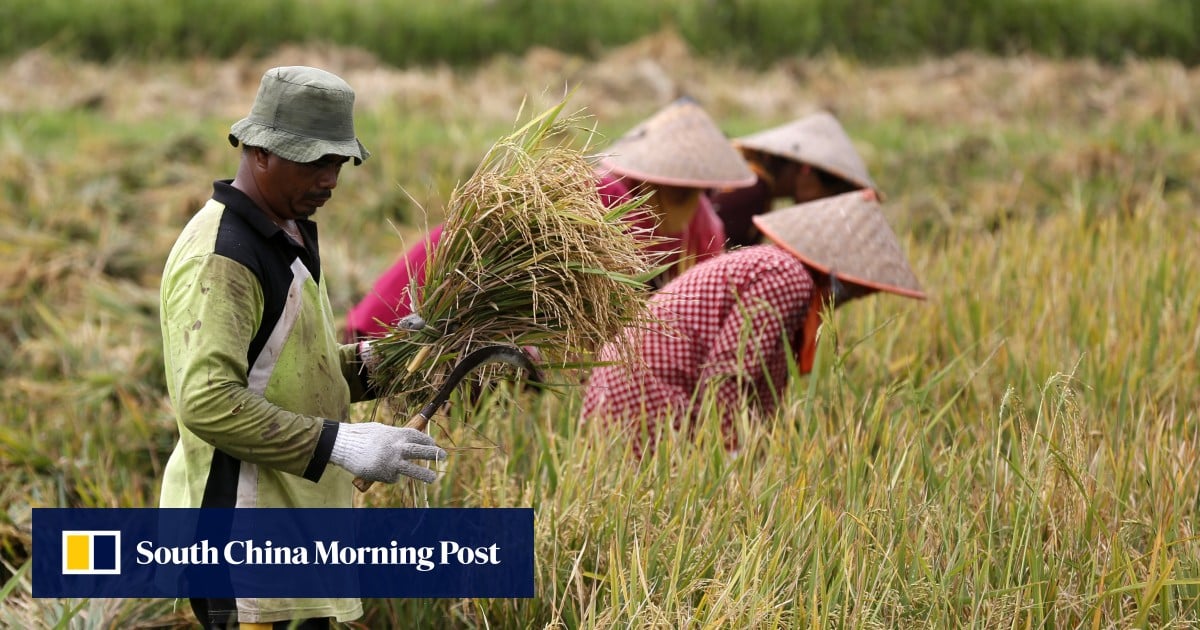
The disruption could hand China – the world’s largest fertiliser producer – greater political leverage over countries already locked in disputes with Beijing, though it is unlikely to weaponise exports, according to analysts.
Global fertiliser prices have soared since Iran effectively blocked shipping through the Strait of Hormuz, through which exports flow from major producers such as Saudi Arabia and Qatar.
Advertisement
Since the war began in late February, the price of urea – the world’s most widely used nitrogen fertiliser – has reportedly jumped from around US$400 per tonne to US$700.
Southeast Asia has been hit especially hard. Researchers say 80 per cent of the fertiliser used in the region is imported from elsewhere. Indonesia, Vietnam and the Philippines are among the region’s largest buyers of Gulf urea and ammonia.
Advertisement
Don't Miss:
-
Iran says it has ‘will’ to end war, as Trump zigzags on escalation
-
Iran says will target Apple, Google and Meta if more of its leaders are killed
-
From Airstrikes to Cooperation: Will the ‘New Phase’ of Ecuador’s Drug War Deliver?
-
US top court rules against state ban on ‘conversion therapy’ for LGBTQ+ youth
-
Tai Po blaze hearing: property management worker unaware fire alarms deactivated