
 Development without Dominance
  China Capital stories reveal how ICBC advanced China’s political goals across four continents
  Bangladesh’s Hill Country Needs Dialogue, Not More Bureaucracy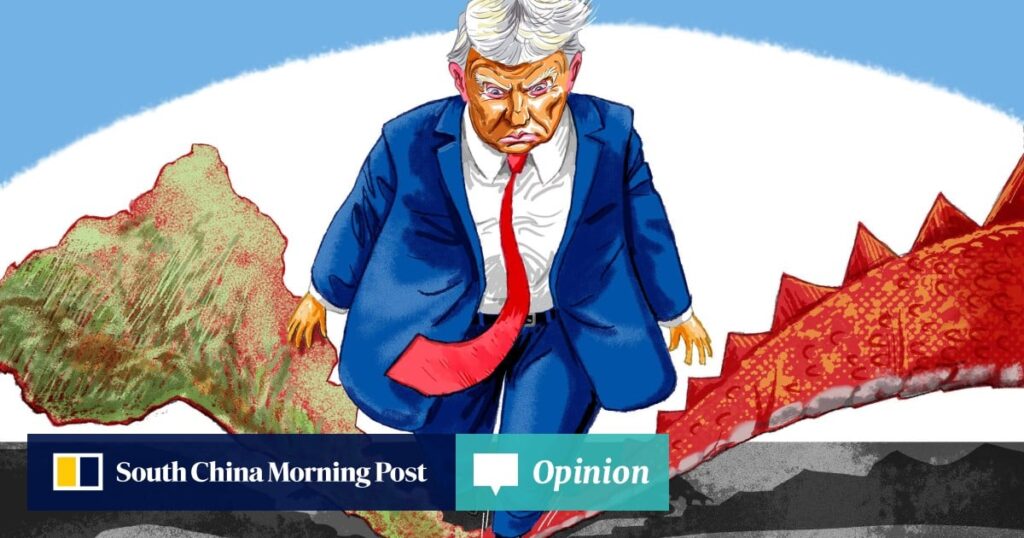
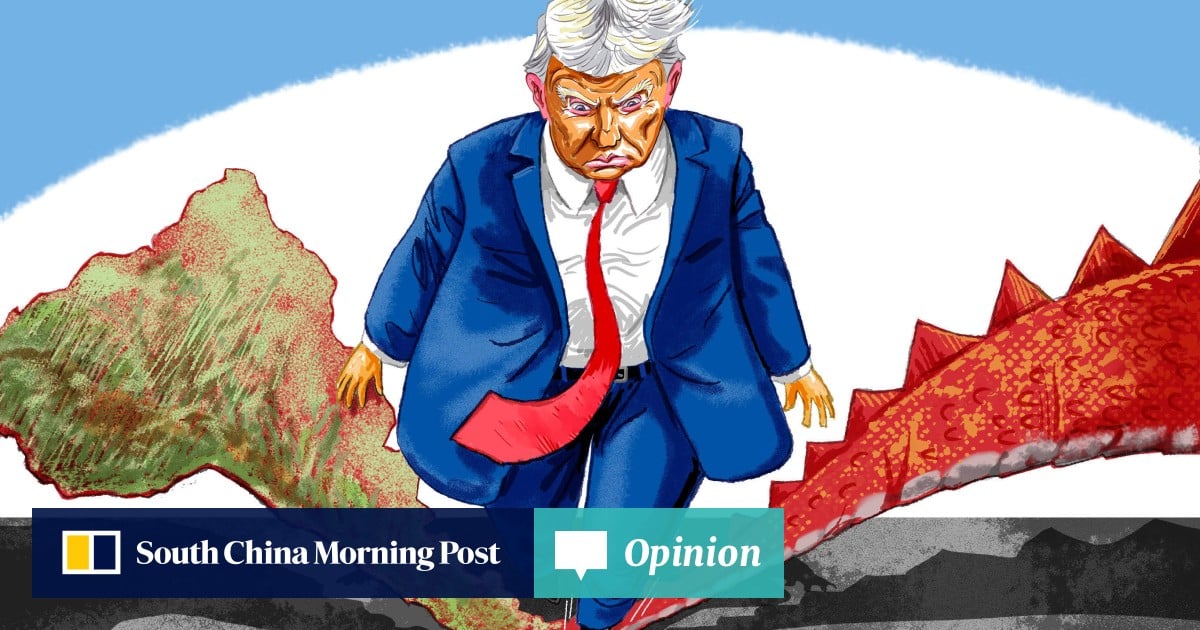
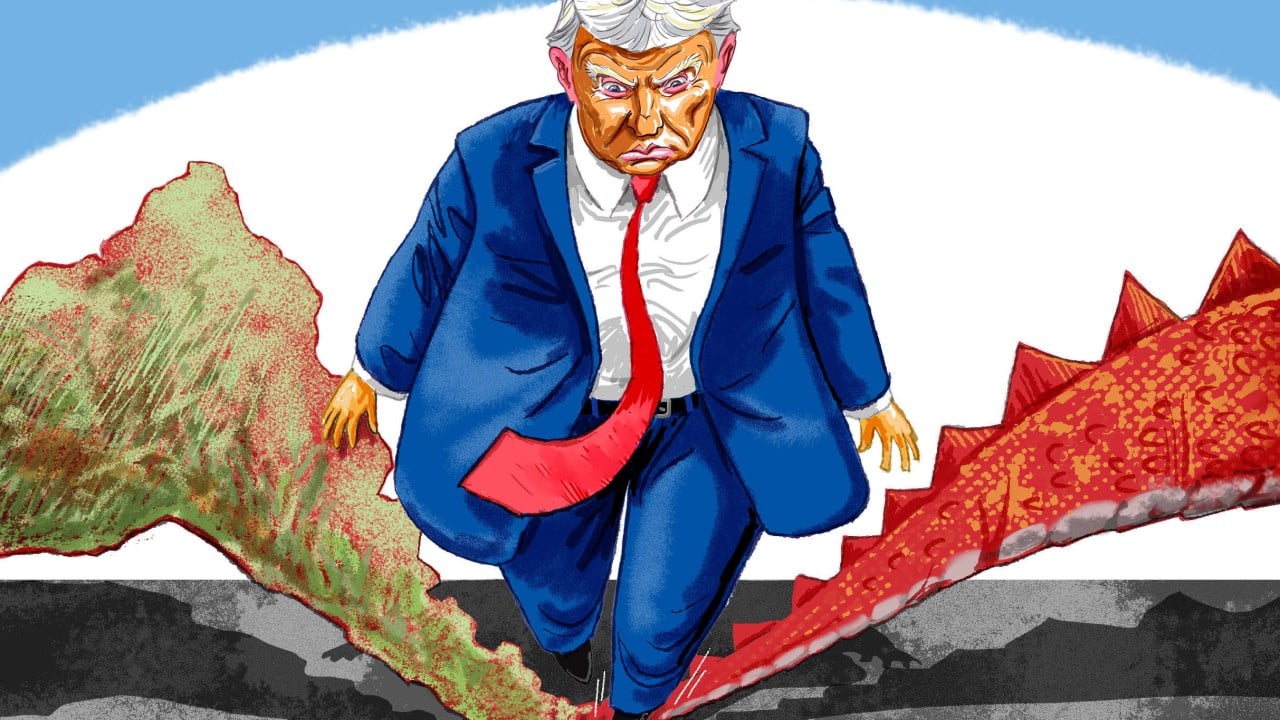
For over two decades, China’s rise in Latin America has been viewed as one of the most significant geopolitical developments in the western hemisphere. Through trade, investment, infrastructure projects and diplomatic engagement, Beijing built a presence that would have been difficult to imagine at the beginning of the century.
Yet recent regional developments raise an uncomfortable question for Beijing: can economic power alone generate durable political influence?
Advertisement
China’s economic position in Latin America remains strong. Trade continues to grow, Chinese companies remain active across the region and few governments appear interested in abandoning economic relations with Beijing. But political influence depends on more than trade and investment. It depends on governments, institutions, strategic calculations and the broader political environment. Several developments suggest that the environment may be changing.
Advertisement
Don't Miss:
-
We’ve Got Something Special For You Motherfuckers
-
Legislation among options to regulate minors’ social media use: justice minister
-
Culinary diplomacy on the menu for Xi and Trump at the White House
-
Ukraine’s POW transfer reveal deals North Korea a propaganda blow
-
Hollywood star Susan Sarandon among 100 arrested at New York anti-Netanyahu protest